
Few stones carry as much history as lapis lazuli. The deep, celestial blue pigment that colored the robes of the Virgin Mary in Renaissance paintings, the eyes of Tutankhamun's death mask, and the walls of ancient Mesopotamian temples all came from lapis lazuli. It is, by any measure, one of the most historically significant stones on Earth.


What Is Lapis Lazuli?
Lapis lazuli is not a mineral but a metamorphic rock composed primarily of the blue mineral lazurite, along with calcite (white), pyrite (gold flecks), and other minerals. That distinctive deep royal blue, often flecked with gold, has made it one of the most prized stones in human history. The finest lapis lazuli comes from the Badakhshan province of Afghanistan the same mines that have supplied the world for over 6,000 years.

Lapis Lazuli | Historical Significance
In ancient Egypt, lapis lazuli was ground into powder to produce ultramarine the most expensive blue pigment in the ancient world. It was used to paint the eyebrows of Cleopatra, adorn the throne of pharaohs, and create the deep blue in religious art. The Sumerians and Babylonians used it for seals, jewelry, and sacred objects. Ancient Persian and Indian cultures treated it as a symbol of the night sky and divine wisdom.
By the Renaissance, ultramarine derived from lapis lazuli cost more per gram than gold, reserved for the most sacred elements of devotional painting.
Lapis Lazuli Meaning & Spiritual Properties
• Truth and wisdom: ancient symbol of clarity, honesty, and higher understanding
• Communication: associated with the throat chakra, supporting authentic self-expression
• Intuition: linked to the third eye chakra, believed to enhance inner vision and awareness
• Royalty and power: worn by kings, pharaohs, and priests as a mark of divine authority
• Protection: used in amulets across Egyptian, Sumerian, and Persian traditions
How to Wear Lapis Lazuli for Men
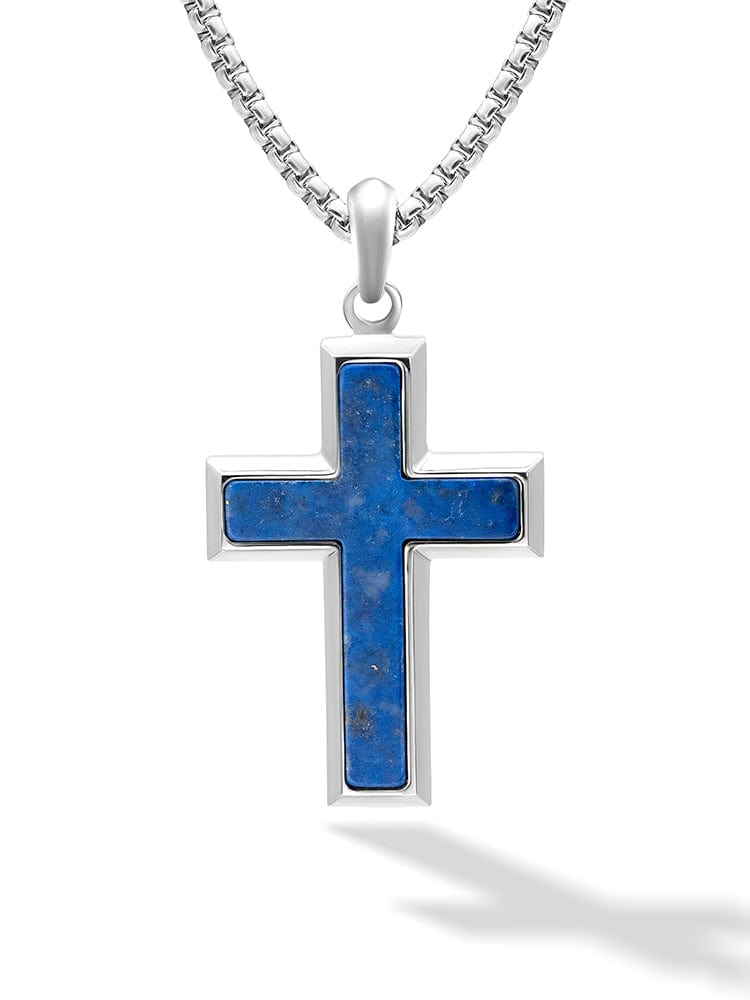
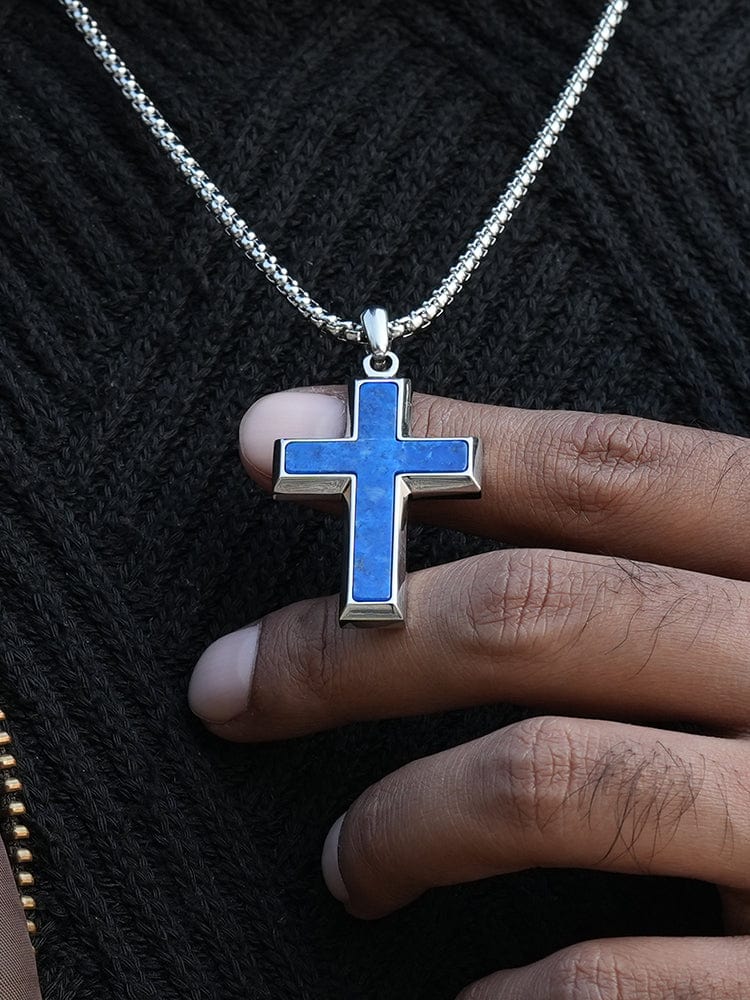
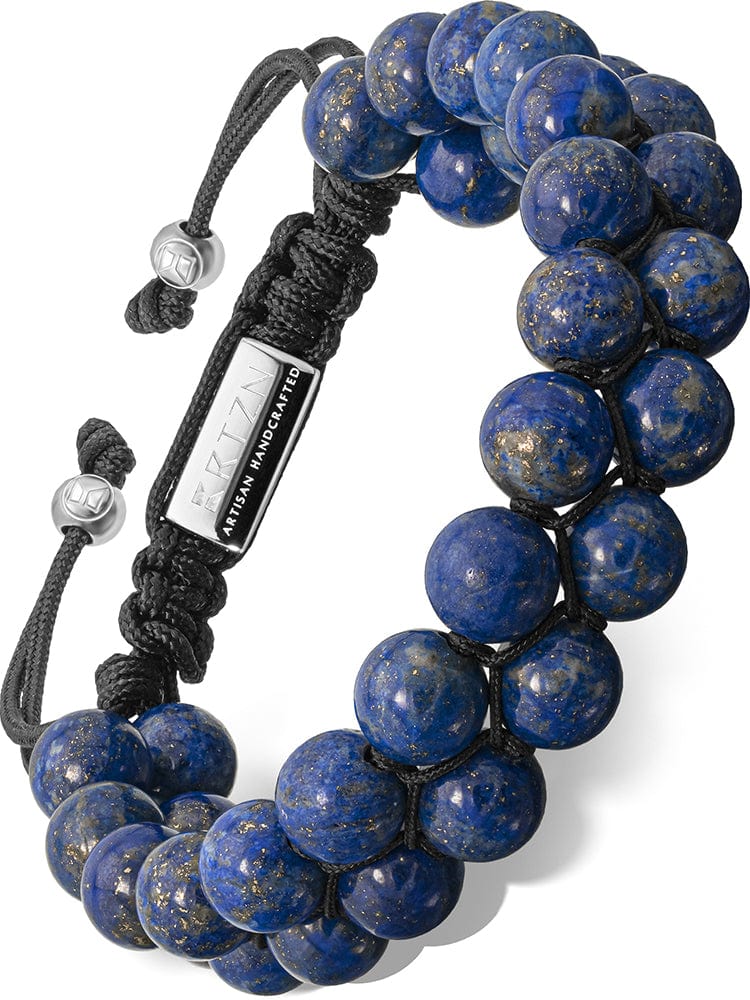
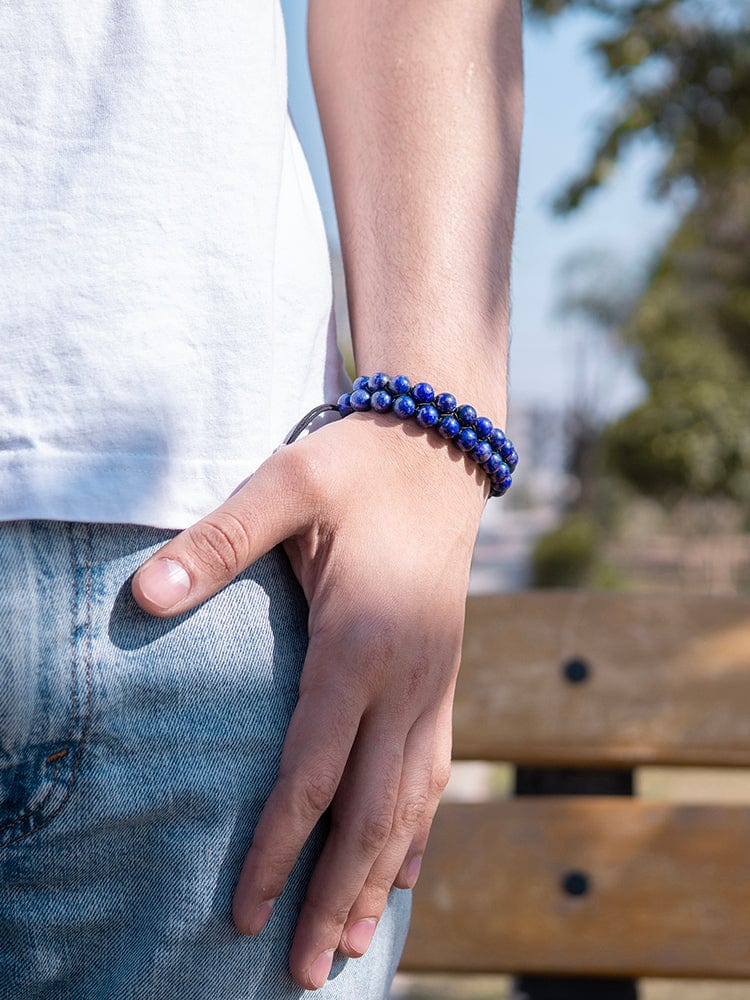
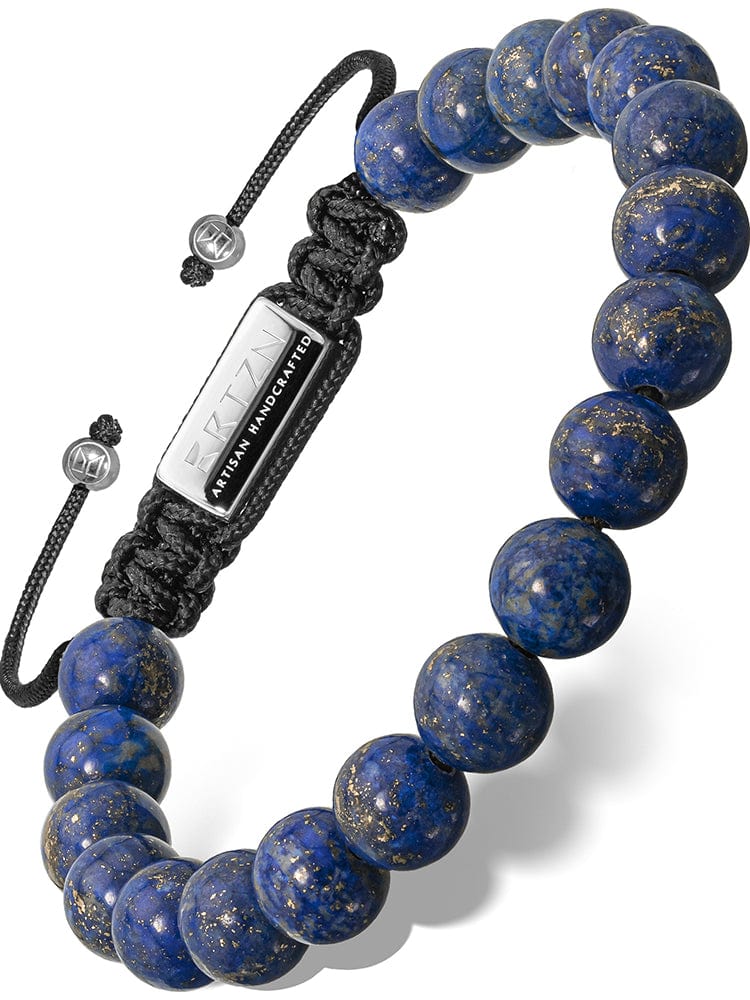
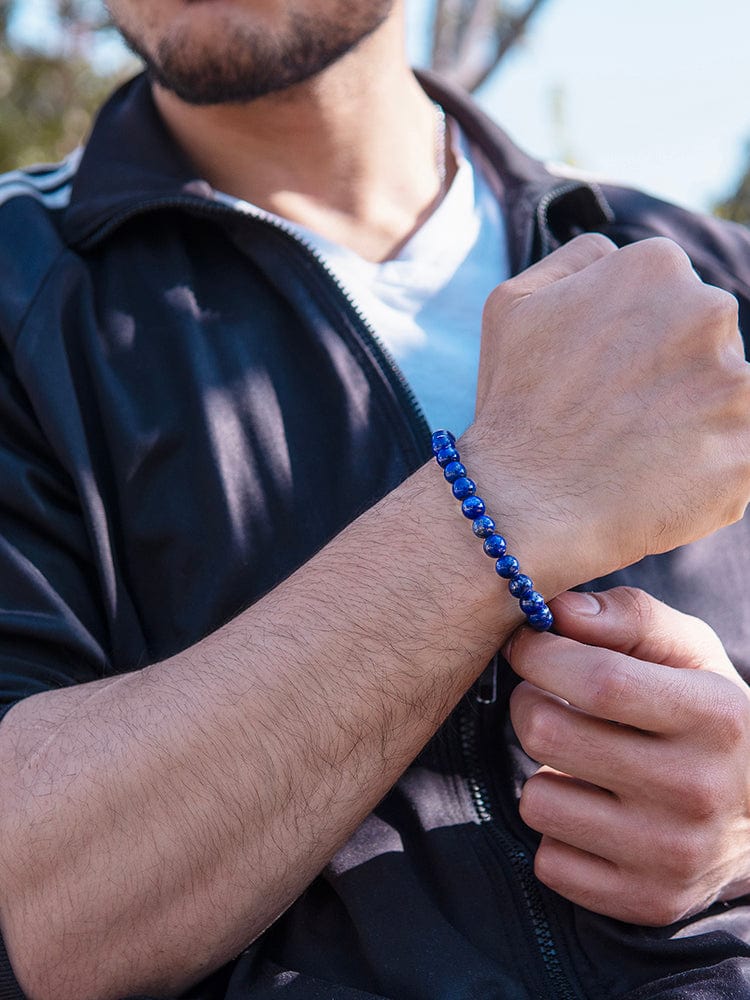
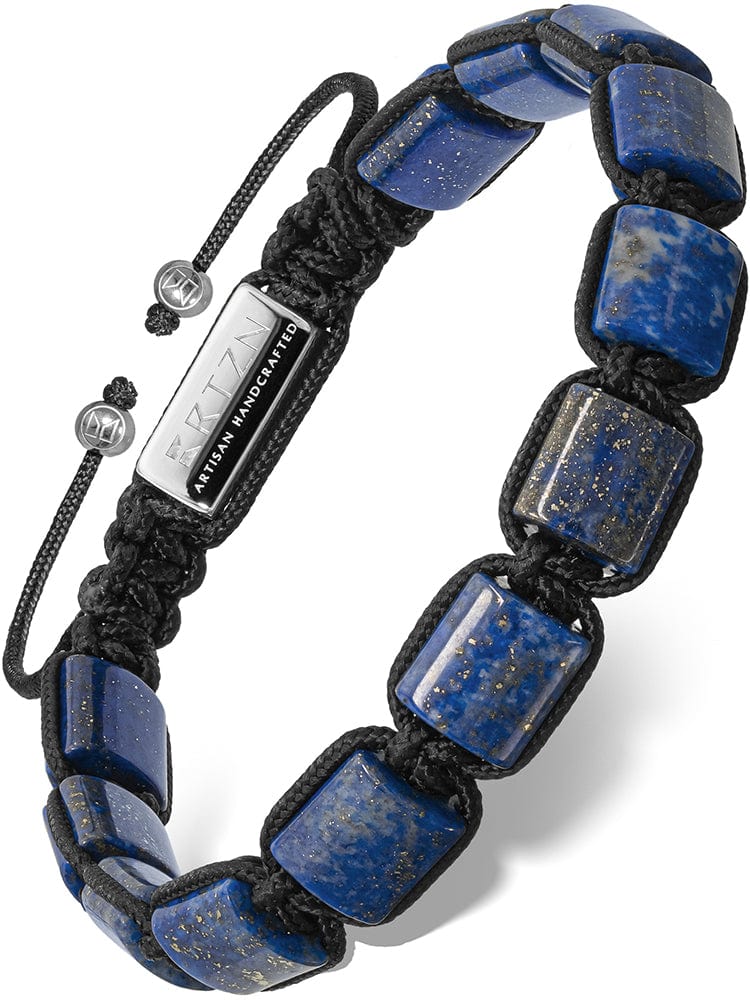
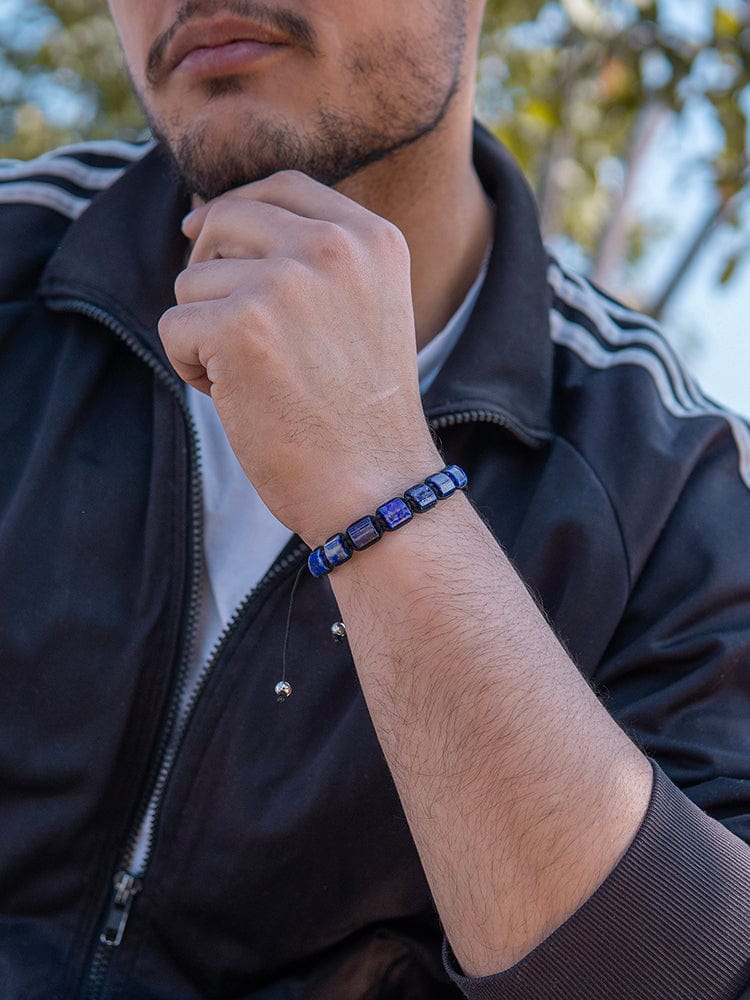
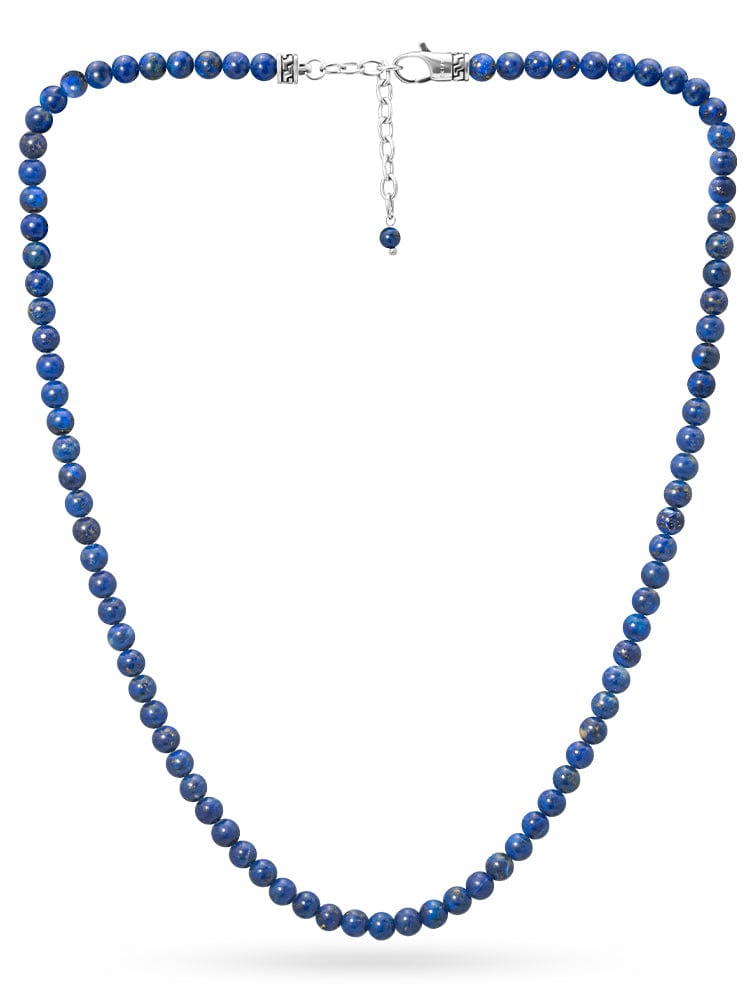
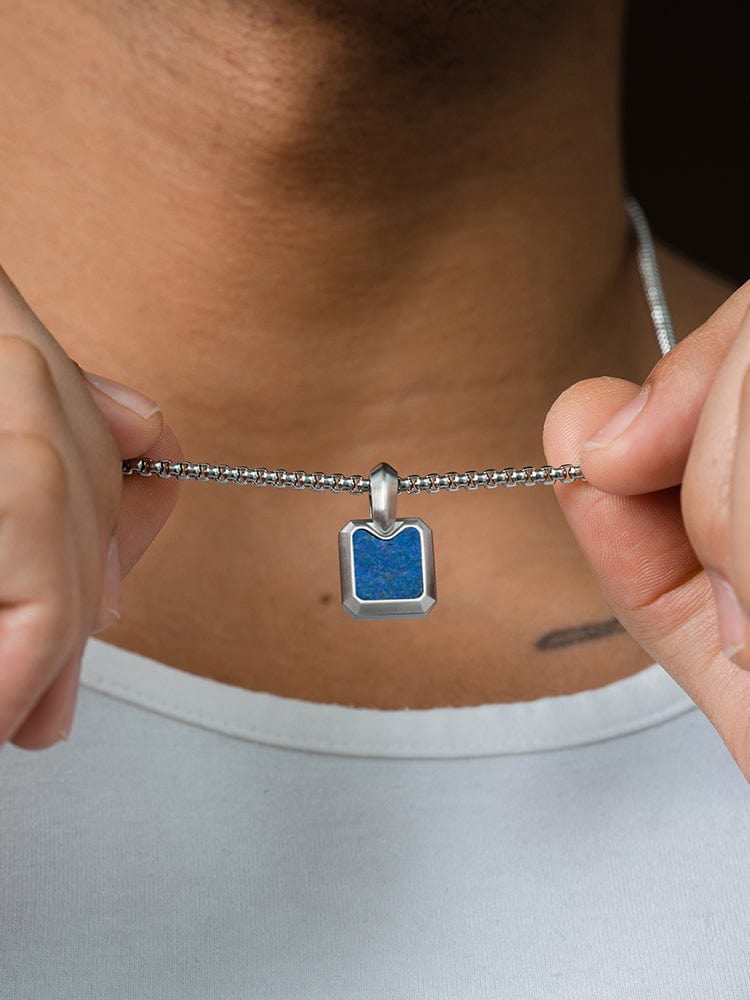
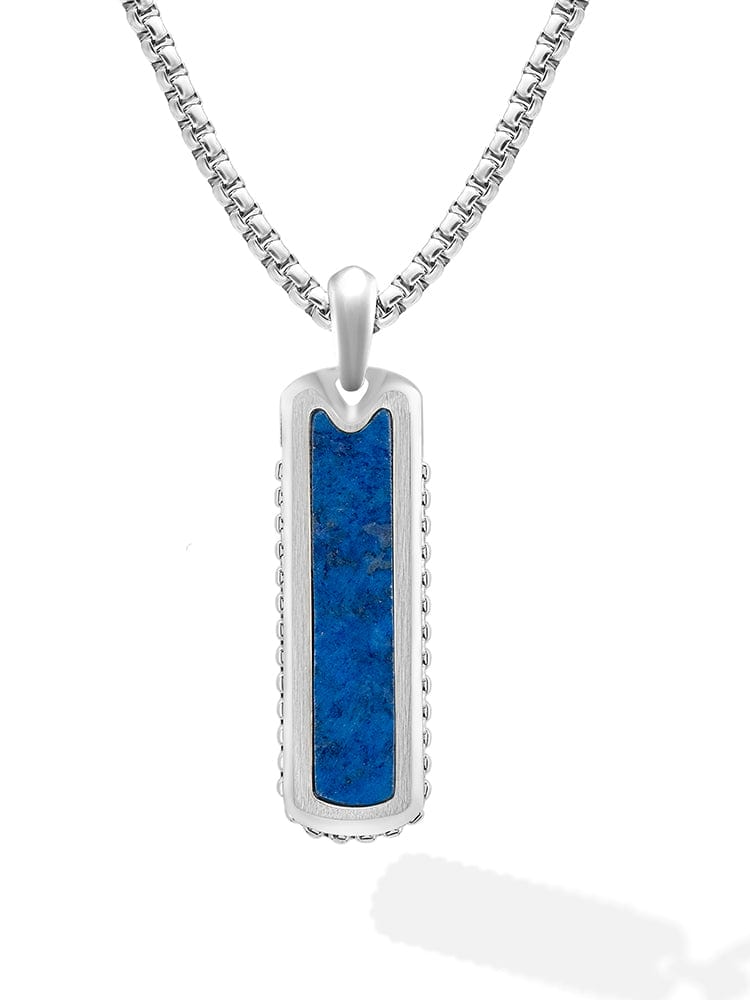
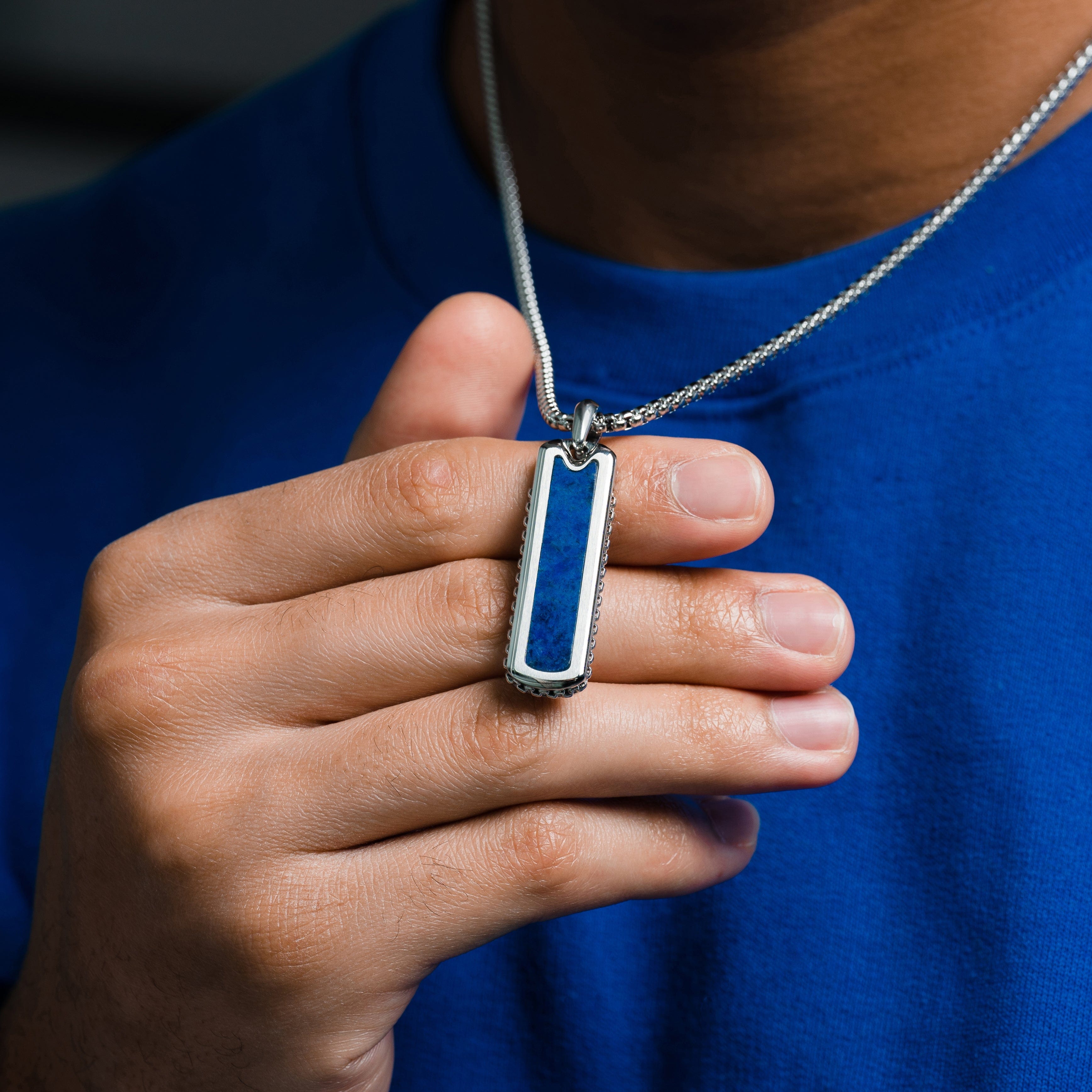
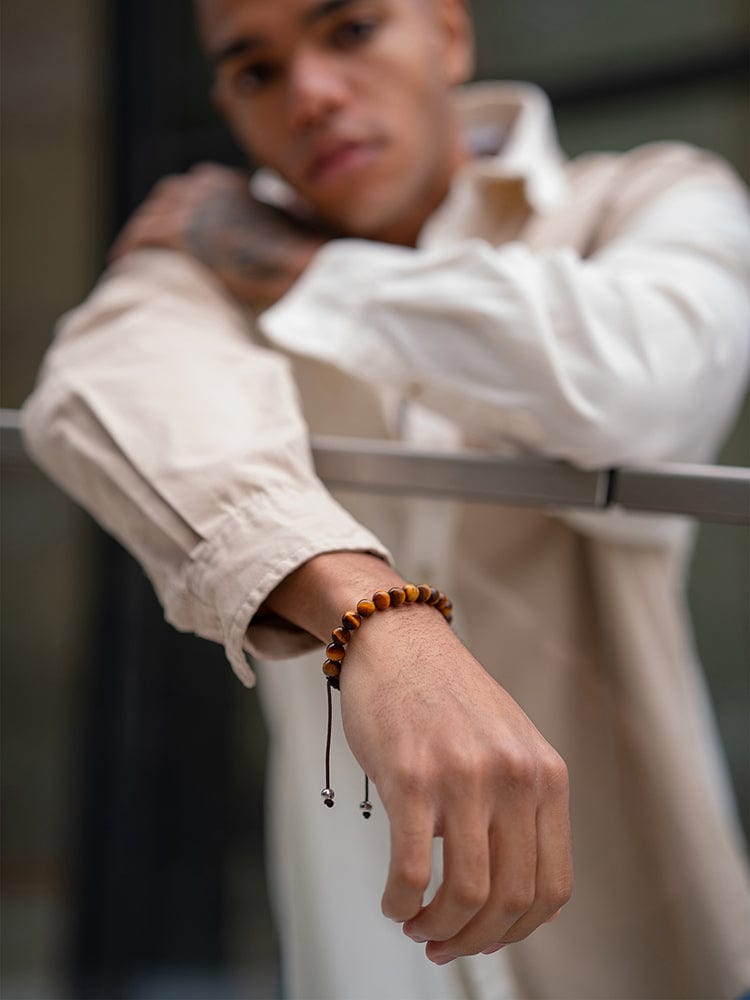
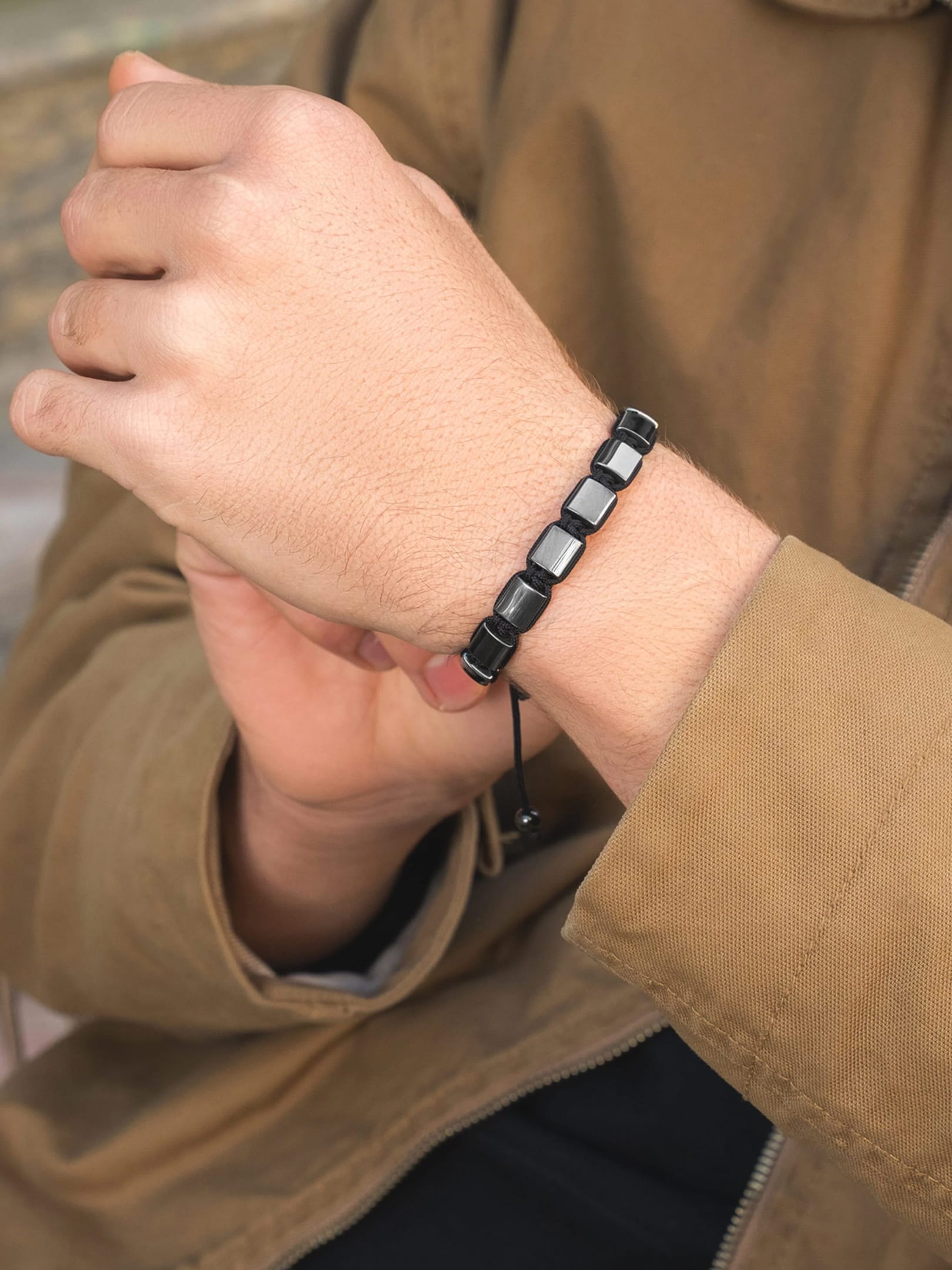
Lapis lazuli has an undeniable visual impact the deep cobalt blue with gold pyrite flecks creates a piece that reads both bold and ancient. It pairs exceptionally well with silver-toned steel hardware. In a bracelet stack, lapis lazuli works as a statement piece alongside neutral stones like black onyx or earthy tiger eye. As a pendant, it conveys a depth and intention that polished gemstones rarely match.
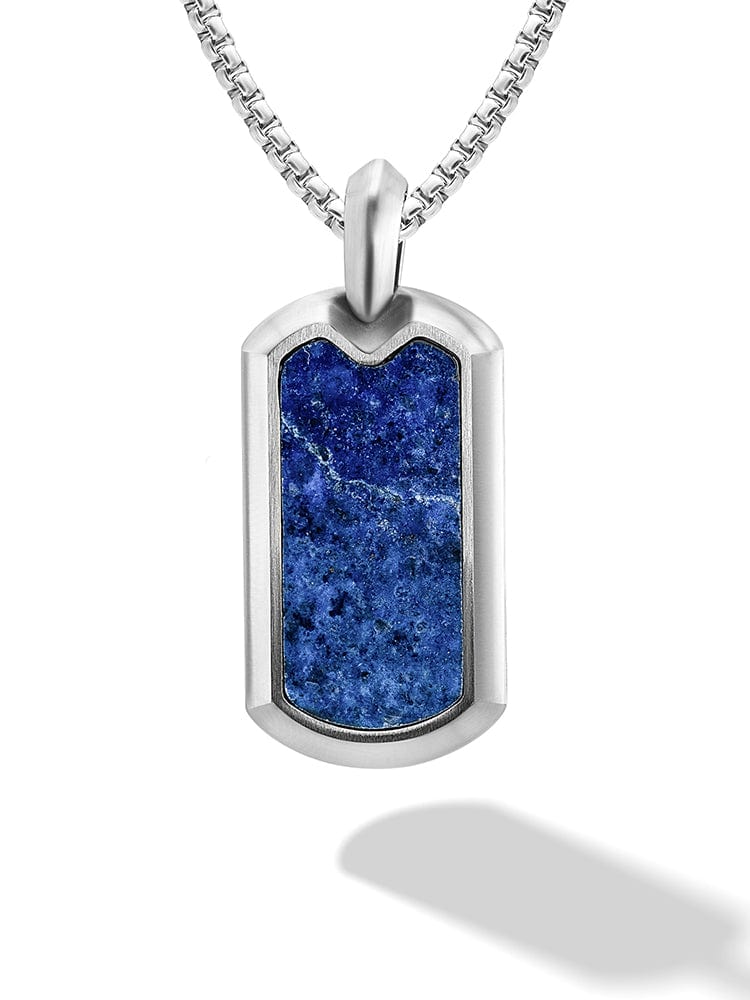
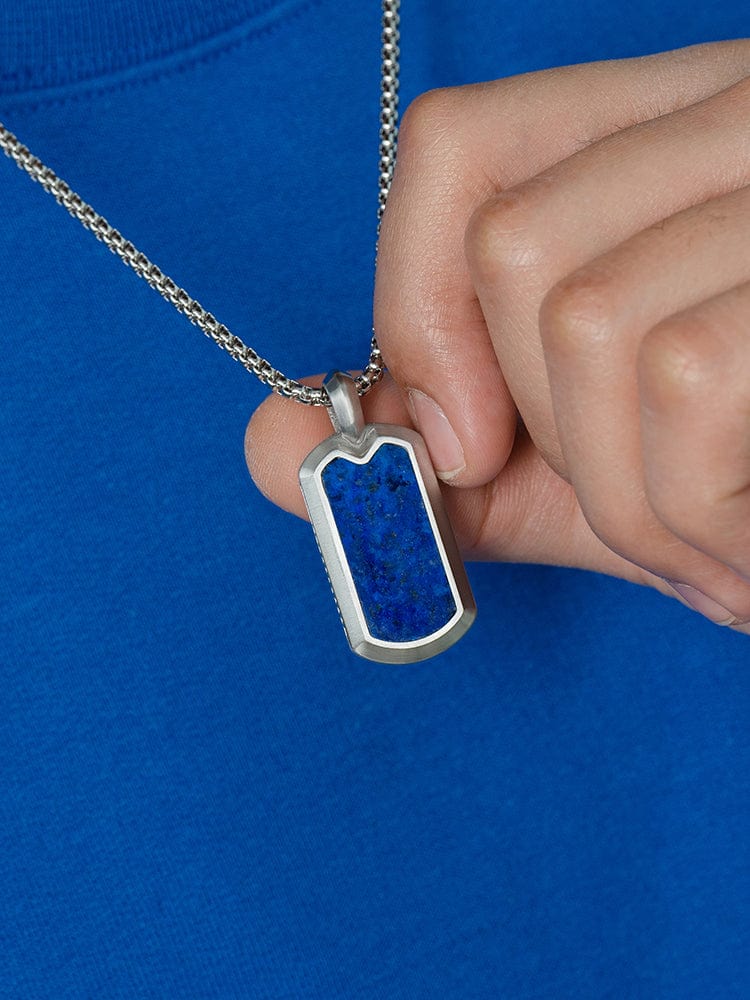
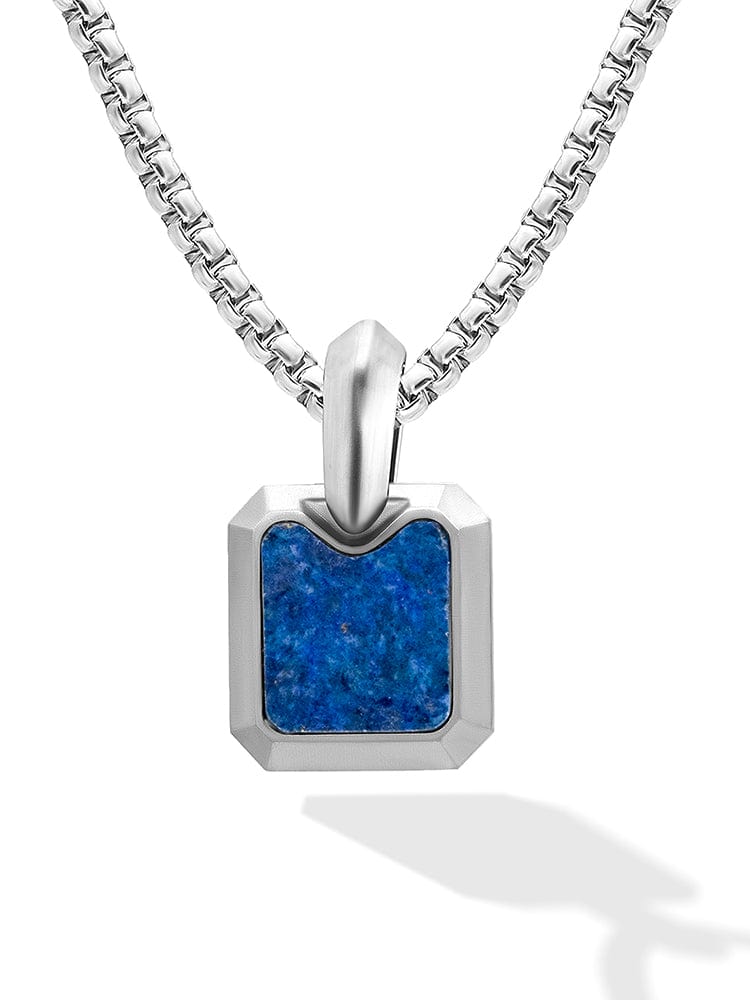
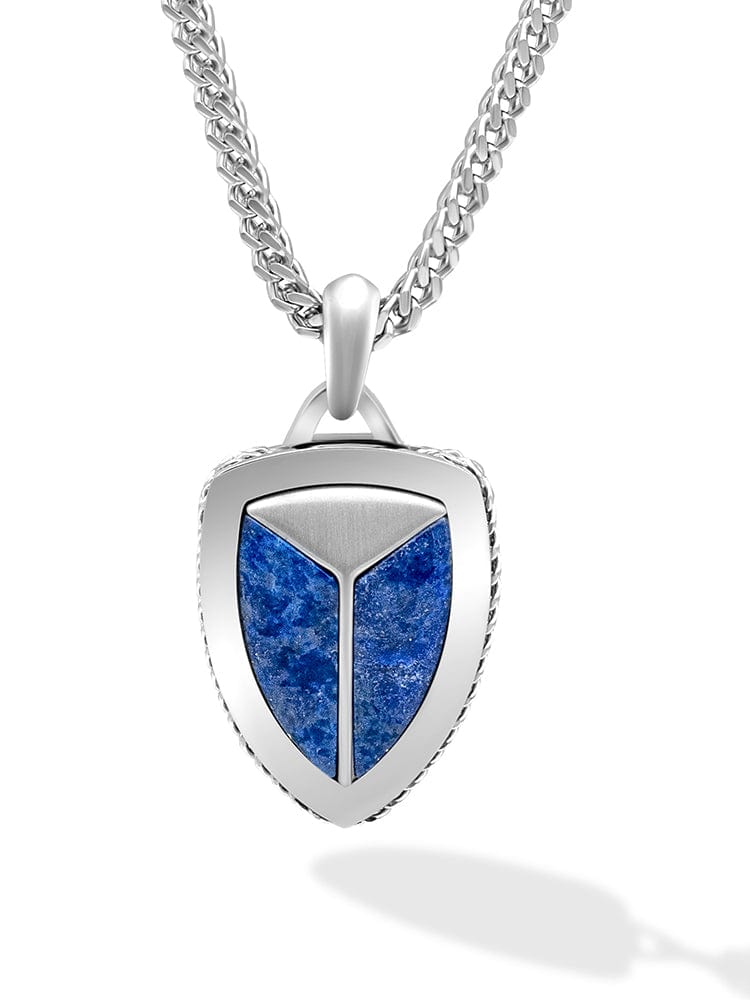
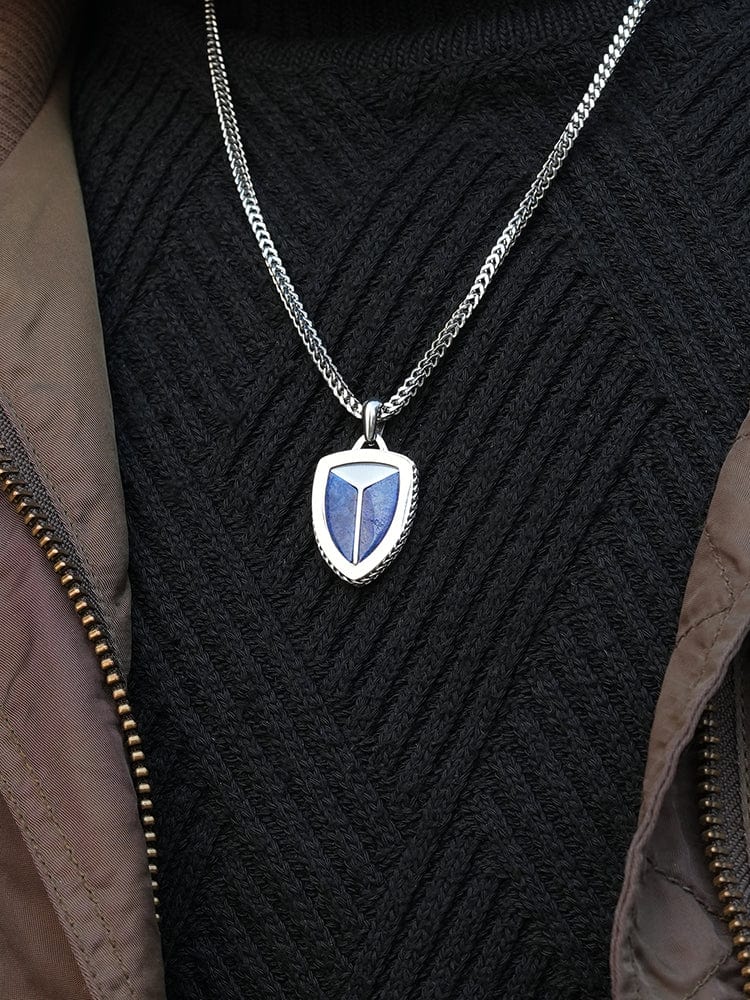
RTZN carries lapis lazuli in bracelet form and as a Lapis Lazuli Square Pendant and Lapis Lazuli Shield Pendant both cut from natural stone and set in 316L stainless steel. The shield cut in particular has a strong, geometric energy that pairs well with layered necklace setups.

Faqs
Q: What does lapis lazuli mean spiritually?
Lapis lazuli is associated with wisdom, truth, and divine communication. Historically, it has been used to represent higher knowledge and is linked to the third eye and throat chakras in modern crystal healing.
Q: Where does lapis lazuli come from?
The highest quality lapis lazuli comes from the Badakhshan region of Afghanistan, where it has been mined for over 6,000 years. Deposits also exist in Russia, Chile, and Pakistan.
Q: What are the healing properties of lapis lazuli?
Practitioners associate lapis lazuli with stimulating clarity of thought, enhancing self-expression, and deepening intuition. It is considered a stone of intellectual power and honest communication.
Q: Is lapis lazuli a rare stone?
Lapis lazuli is not extremely rare, but high-quality deep-blue lapis with minimal calcite and visible pyrite flecks is considered premium and commands higher prices than lighter or whiter pieces.
Q: What chakra is lapis lazuli?
Lapis lazuli is primarily associated with the third eye chakra (Ajna) and the throat chakra (Vishuddha), supporting intuition, insight, and authentic communication.