
Introduction
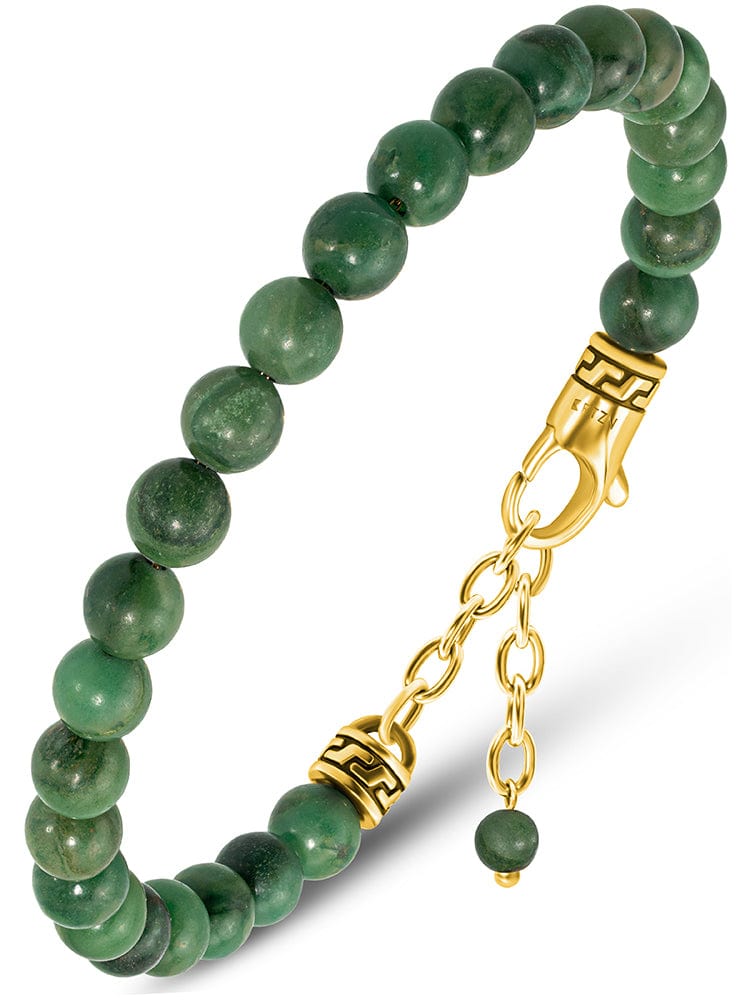
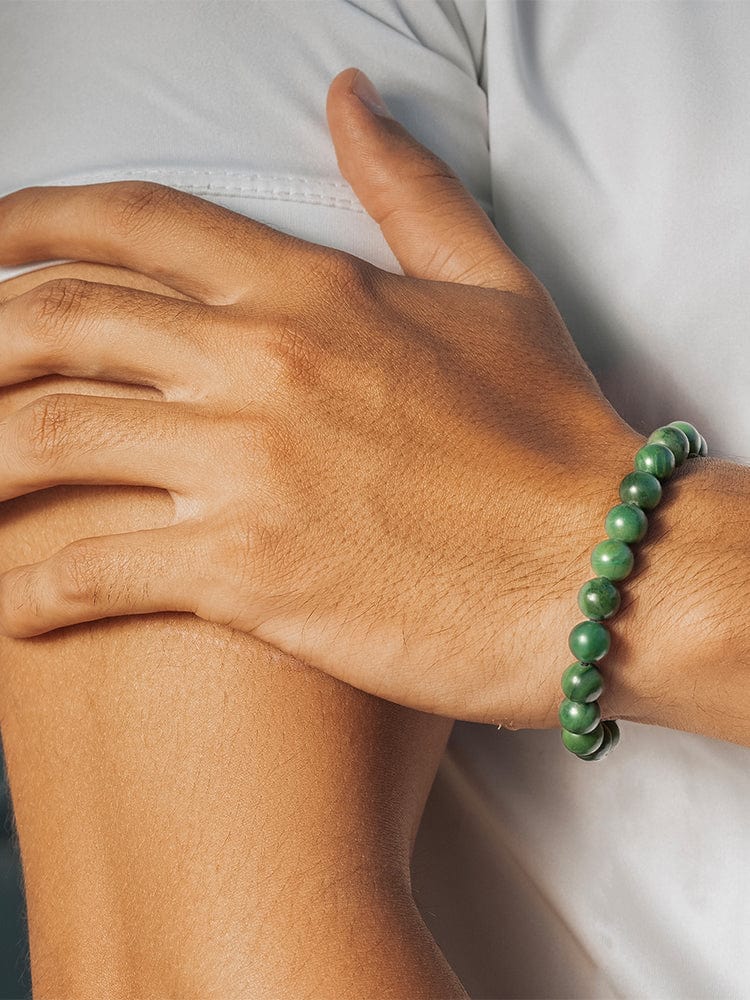
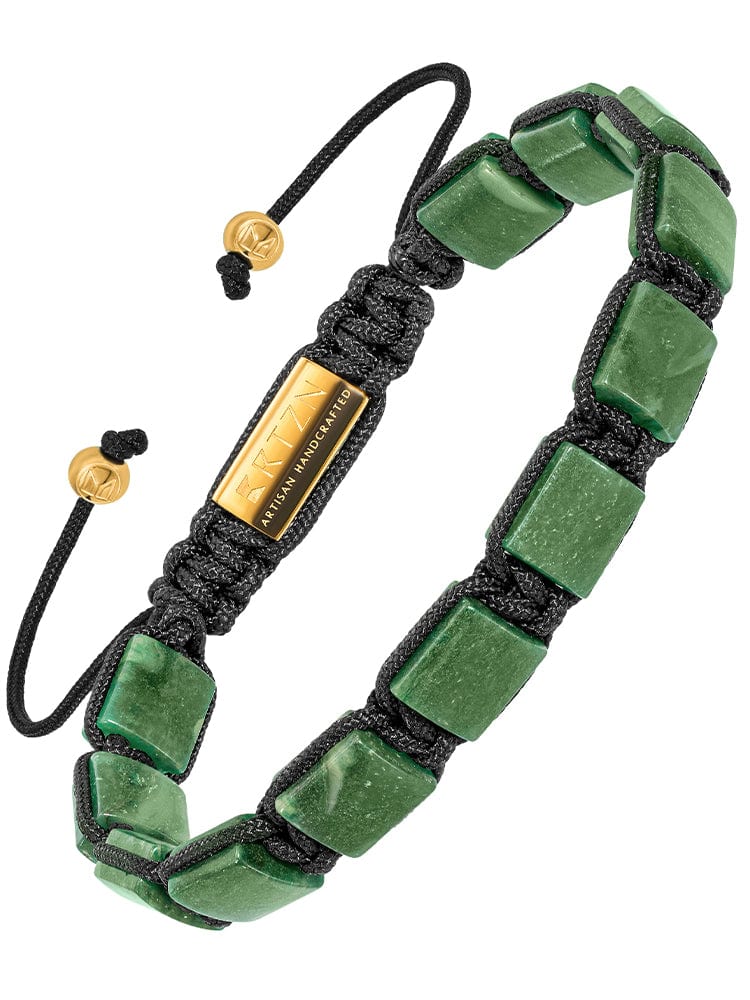
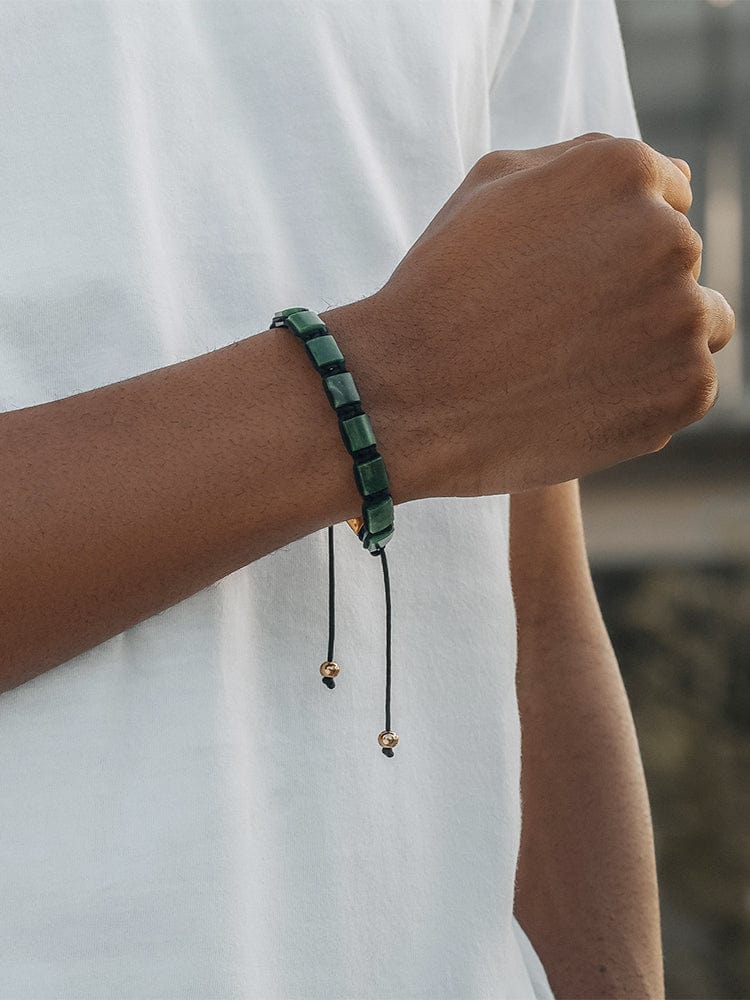
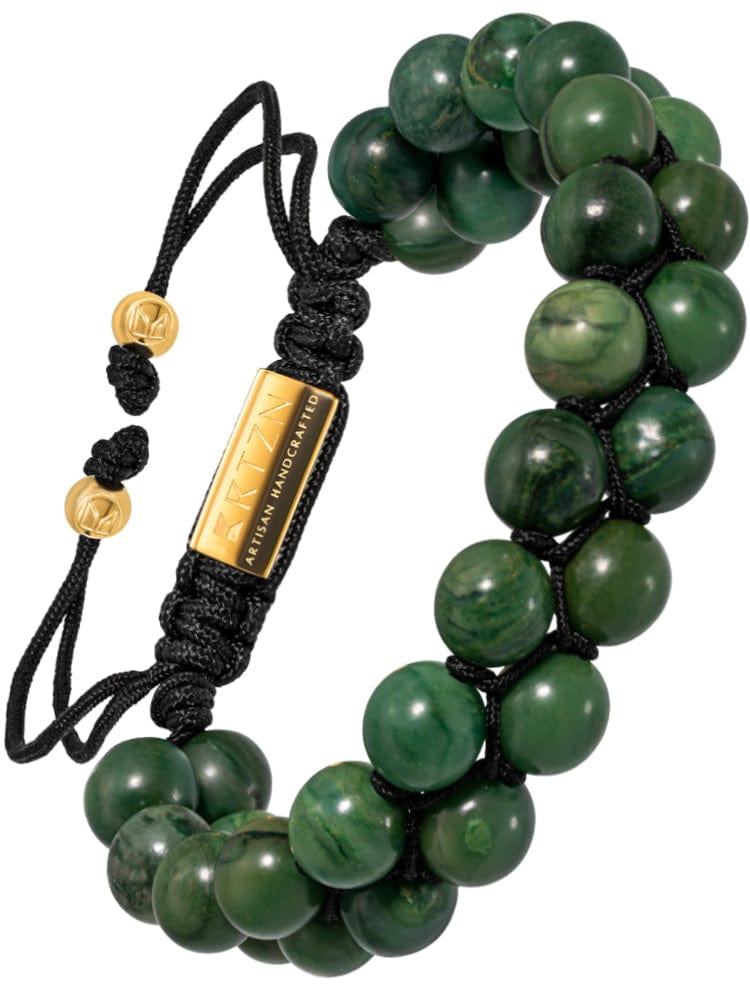
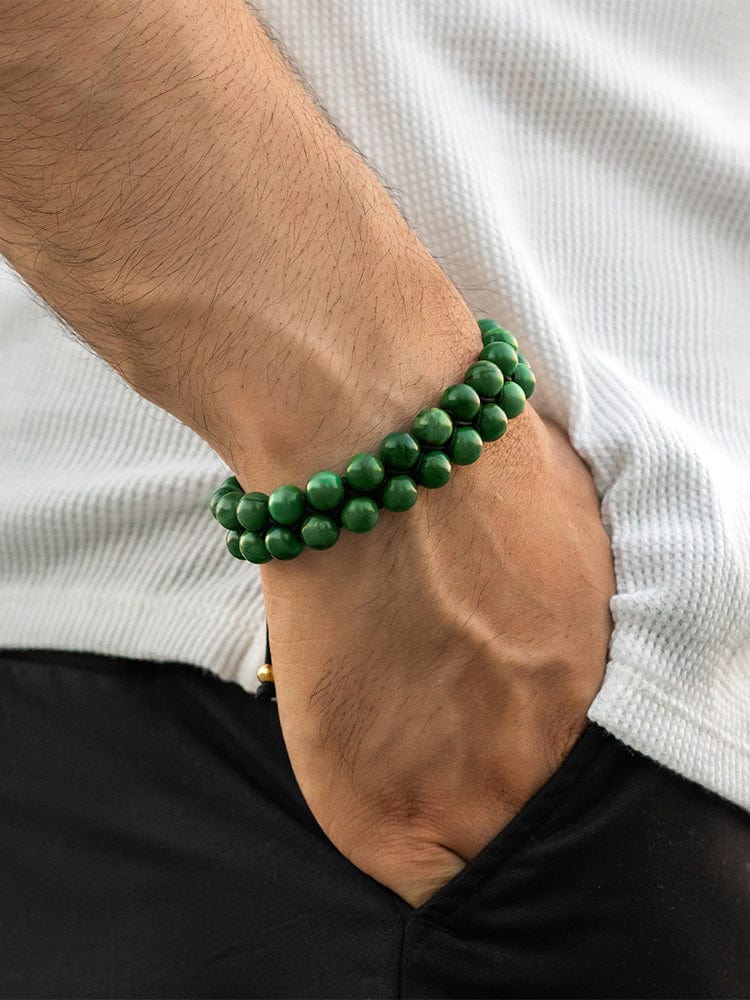
Among all gemstones, few carry the weight of history, culture, and natural beauty as strongly as Jade. For centuries, jade has been revered across civilizations not just as a decorative stone, but as a symbol of purity, protection, status, and spiritual balance. Today, as fashion and tradition merge, more men are embracing jade particularly through pieces like the jade bracelet for men not only for its aesthetic appeal, but for its deeper meaning and perceived benefits.
In this comprehensive guide, we dive into what makes jade unique: its origins, its cultural and symbolic heritage, and why modern men are increasingly choosing jade jewelry. Whether you’re new to gemstones or looking to add a meaningful piece to your accessories, this blog will help you understand the enduring allure of jade.


What Is Jade? Understanding the Gemstone
Jade isn’t one but two main minerals
The term “jade gemstone” actually refers to two distinct minerals that meet certain aesthetic and physical criteria: Jadeite and Nephrite.
-
Jadeite: A sodium‑ and aluminum‑rich pyroxene. Its colors range widely from rich emerald‑green (the coveted “imperial jade”) to lavender, white, yellow, black, and more. When polished, it often appears glassy and highly translucent.
-
Nephrite: A calcium‑magnesium amphibole (tremolite‑actinolite group). Often found in shades of green, white, or even black. Its polish tends to be more “oily” or waxy compared to jadeite. While typically less expensive than jadeite, nephrite’s toughness and classic look make it a mainstay in traditional jade jewelry.
Historically, all these types have been grouped under the name “jade,” due to similar appearance and the difficulty of distinguishing them before modern mineralogy.
What Makes Jade Special Beyond Looks
-
Durability and toughness: Jade’s microscopic grain structure tightly interlocked crystals gives it great toughness. This is why ancient peoples carved tools, weapons, ornaments, and jewelry from jade.
-
Rich variety of colors: Depending on impurities (iron, chromium, manganese, etc.), jade can appear green, white, yellow, lavender, black, and more. The famous “imperial green” jadeite remains among the most prized.
-
Smooth polish and lustre: High‑quality jade especially jadeite has a glassy, translucent polish. Nephrite has a more waxy glow. Both lend jade jewelry its characteristic depth and “alive” appearance.
This combination of physical resilience and aesthetic grace helped jade become one of the most sought‑after gemstones in human history.

A Journey Through Time - Jade’s Origins & Cultural Legacy
Jade’s significance spans continents. From East Asia to Mesoamerica, jade has been prized for millennia. Its history reflects humanity’s evolving appreciation for beauty, spirituality, and symbolism.
Ancient Roots Jade in Asia
-
Neolithic to early civilizations: The earliest jade artifacts date back thousands of years. In regions of China, jade (mainly nephrite) was used for utilitarian objects, ornamental pieces, and ceremonial items.
-
China the “Stone of Heaven”: In Chinese tradition, jade (known as “yù” 玉) holds deep symbolic resonance. It represents virtues such as purity, moral integrity, nobility, and harmony. Confucian scholars often praised jade as an emblem of character.
-
Imperial and elite use: Over dynasties, jade became a status symbol. Ming, Qing, and other dynasties crafted intricate jade jewelry, ornaments, and ceremonial objects often reserved for nobility or the wealthy.
Jade Across the Globe Mesoamerica to Polynesia
-
Ancient Maya, Aztec and Olmec civilizations: In Mesoamerica, jadeite from regions like the Motagua Valley (Guatemala) was held in higher regard than even gold. Jade symbolized life, fertility, and a connection to the divine. Objects like masks, statues, and jewelry were carved from jadeite for religious and ceremonial purposes.
-
Indigenous cultures from New Zealand to South Asia: For example, the Māori people of New Zealand historically prized a form of nephrite known as “greenstone” (pounamu). These stones were carved into tools, ornaments, and talismans, each piece carrying ancestral value and spiritual protection.
-
Global spread and appreciation: Through trade, migration, and cultural exchange, jade reached many parts of the world. Its universal appeal, beauty, resilience, and symbolism made it a gemstone for all cultures.
Why Jade Is Called the “Gem Supreme”
Due to its deep cultural roots and timeless appeal, many traditions refer to jade as the “Gem Supreme” or “Jewel of Heaven.”
It has symbolized nobility, virtue, and moral integrity.
-
It has represented protection, longevity, and well‑being.
-
Its aesthetic qualities made it ideal for jewelry, ornaments, and even burial artefacts believed to offer spiritual protection beyond life.
This rich heritage makes jade more than a gemstone; it's a living cultural legacy.
What Does Jade Symbolize? Meaning Behind the Stone
When you wear or carry jade, you’re tapping into thousands of years of cultural symbolism. The meanings vary slightly across cultures, but some themes remain consistent.
Harmony, Balance & Inner Peace
Jade often represents serenity, balance, and inner calm. It’s believed to harmonize energies, helping stabilize emotions and encouraging clarity. This makes jade gemstone a favorite among people seeking mindfulness and emotional equilibrium.
Protection & Good Luck
Across many cultures especially in East Asia jade is considered a protective talisman. Wearing jade jewelry is thought to ward off negative energy, danger, and misfortune. A broken jade piece (like a bracelet) is sometimes interpreted as having absorbed negative forces meant for the wearer.
In ancient times, jade objects were even placed in tombs or given to loved ones as spiritual safeguards.
Prosperity, Wealth & Status
Because of its rarity, especially high-quality jadeite jade has long been a symbol of wealth, status, and success. For many, wearing jade jewelry expresses sophistication, affluence, and ambition.
Health, Healing & Well‑Being
Traditionally, jade was associated with wellness. It was believed to support physical health, detoxification, and protect the body. Emotionally, it was thought to aid mental clarity, reduce stress, and foster emotional healing.
While such properties are metaphysical and not scientifically verified, for many people, wearing jade becomes a form of daily self‑care and emotional grounding.
Spiritual Growth and Intuition
Jade is often linked to higher awareness, intuition, and spiritual connection. It's considered a stone that can open the heart chakra, encouraging empathy, compassion, and inner wisdom.
Jade in Modern Times Why Men Are Choosing Jade Jewelry
As fashion evolves and values shift, more men are turning to jade jewelry especially jade bracelets for reasons beyond style alone. Here’s why jade has become a growing trend among men.
A Blend of Style, Strength, and Sophistication
-
Timeless and versatile look: Jade bracelets or pendants strike a balance between subtlety and elegance. The rich green tones or muted whites, blacks, creams pair well with traditional outfits as well as contemporary fashion.
-
Masculine symbolism: With its heritage of strength, protection, and “earthly power,” jade resonates strongly with men seeking jewelry that conveys more than ornamentation.
-
Statement of taste and discernment: Wearing a jade bracelet for men can signal cultural awareness, refinement, and a connection to heritage.
Spiritual & Emotional Appeal
Beyond aesthetics, many men are drawn to jade for its perceived metaphysical benefits:
-
As a grounding stone to stay centered in stressful environments.
-
As a protective talisman to ward off negativity or bad energy.
-
As a symbol of inner strength and resilience convenient for those facing life’s challenges.
Wellness and Mindfulness Lifestyle
In recent years, holistic wellness, mindfulness, and spiritual self‑care have gained popularity among men. Jade fits neatly into this lifestyle:
-
Wearing jade jewelry becomes a daily ritual, a subtle reminder of balance, intention, and calm.
-
Its symbolic associations with health, luck, and emotional stability complement meditation, yoga, or mindfulness practices.
Cultural Appreciation and Heritage Revival
For many, especially those from Asian or Pacific backgrounds, jade jewelry connects them to ancestral traditions. Wearing a jade bracelet for men can be a tribute to heritage, roots, or family legacy.

How to Choose and Wear Jade Jewelry (Especially for Men)
If you’re considering a jade piece perhaps a jade bracelet for men here are some practical tips to ensure you pick something authentic, meaningful, and stylish.
Know the Type: Jadeite vs Nephrite
-
Jadeite tends to be more valuable, often more vibrant in color and translucent. Ideal if you want a striking, premium piece.
-
Nephrite tends to be subtler, often with waxy polish and classic aesthetic. Great for everyday wear and subtle elegance.
Check Quality Color, Texture, Polishing
-
Look for smooth texture, even polish, and consistent color distribution (unless you prefer natural inclusions or patterns).
-
High-quality jade often appears luminous and “alive,” with light seeming to glow from within.
-
Beware of treated or dyed “jade” pieces true value comes from natural, untreated jade (sometimes marked Type A in jadeite).
Choose a Style That Matches You
-
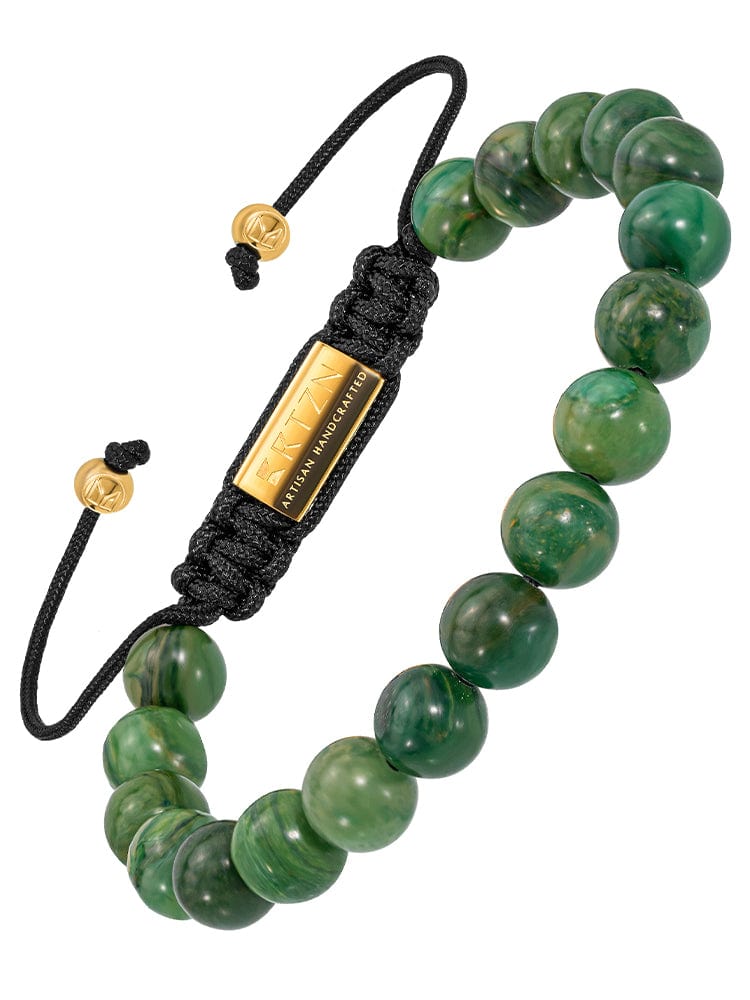
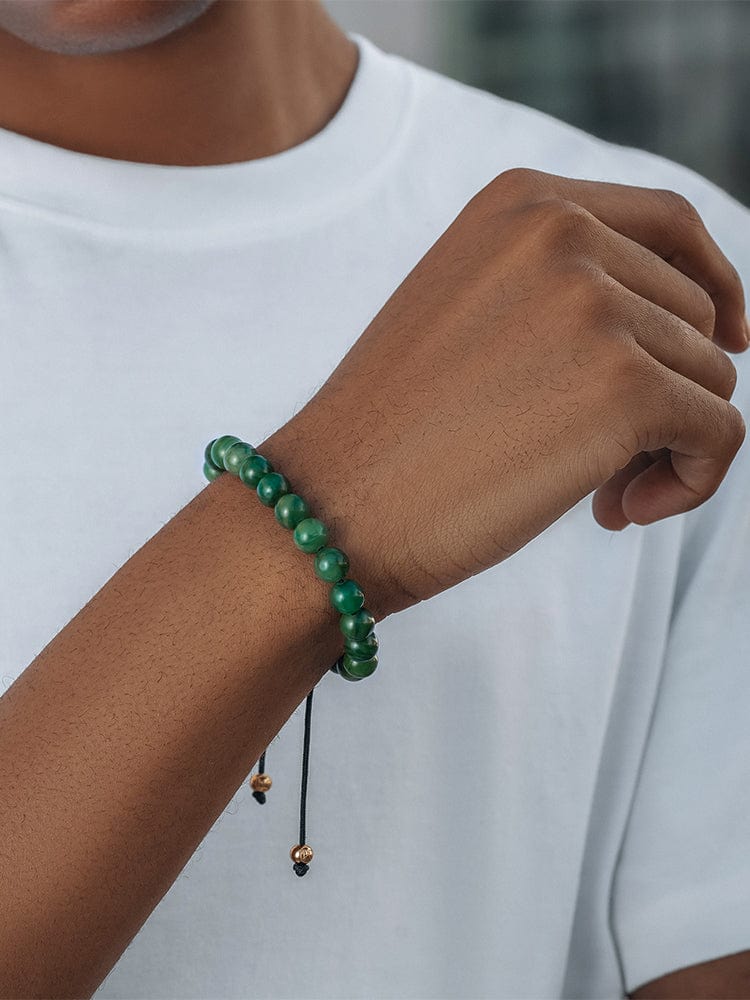
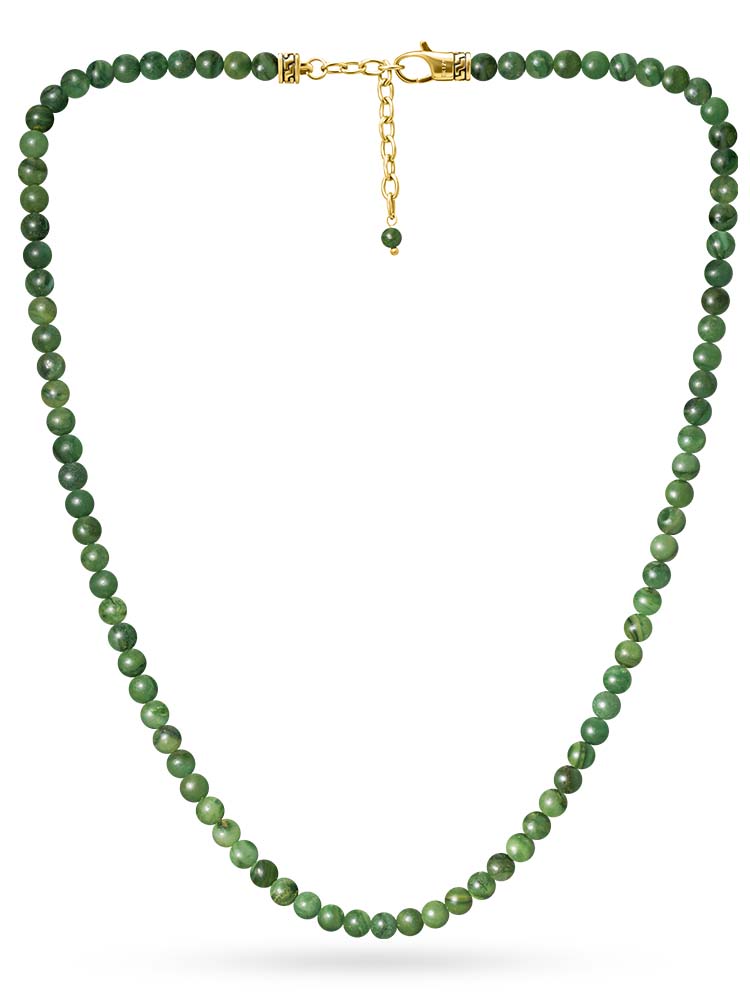
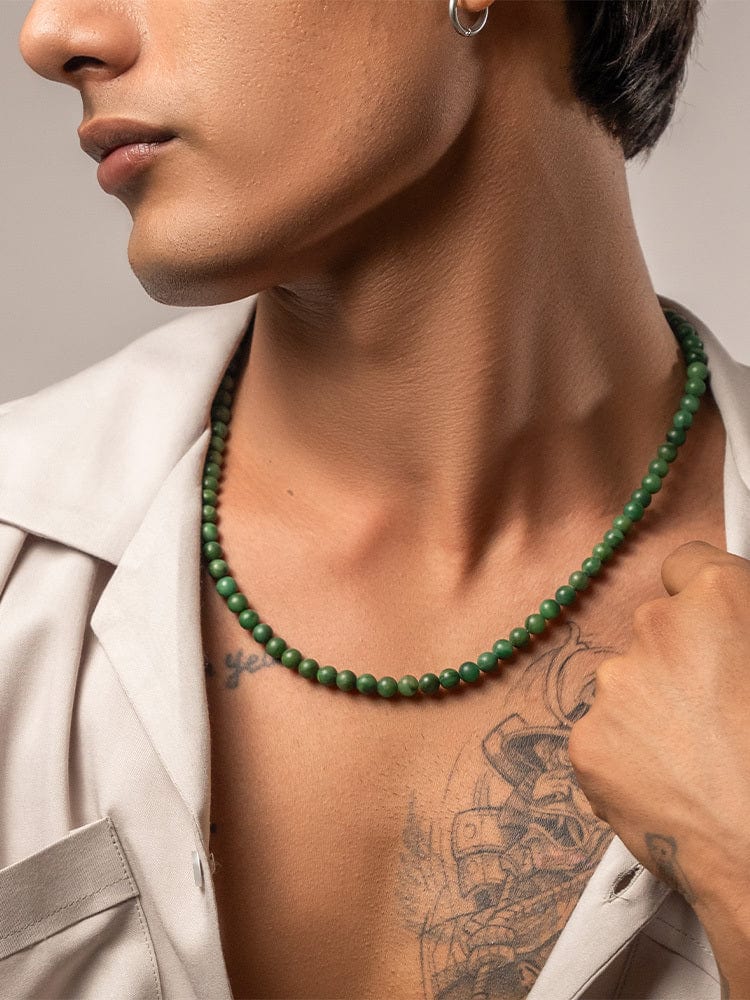
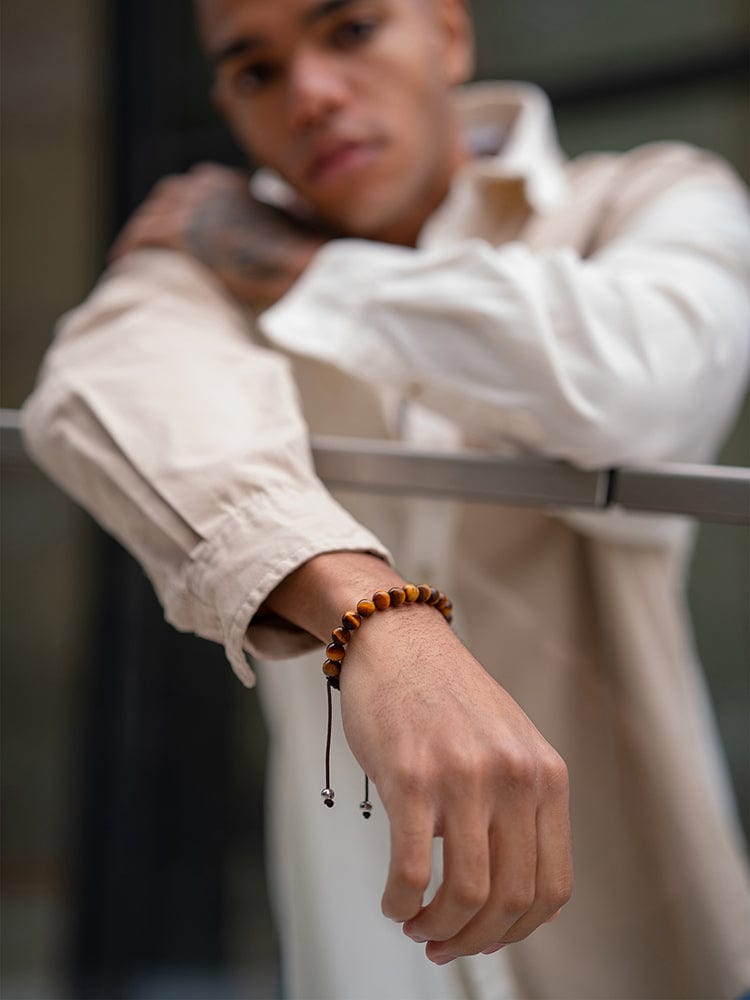
Bracelets: A common way for men to wear jade can be subtle or bold depending on bead size and color.
-
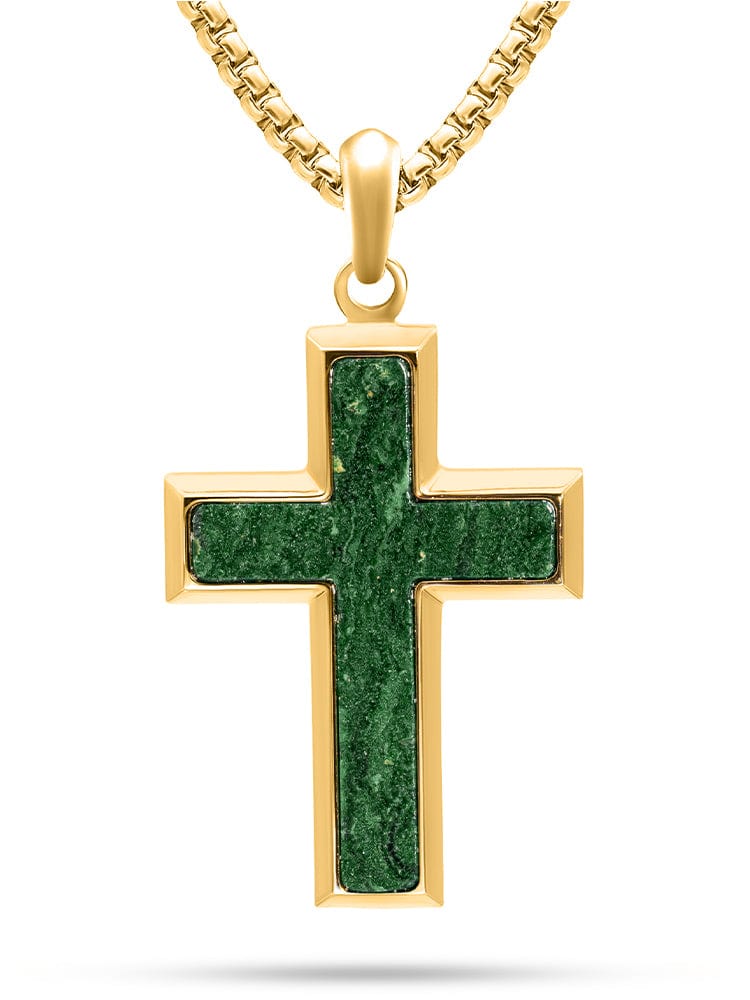
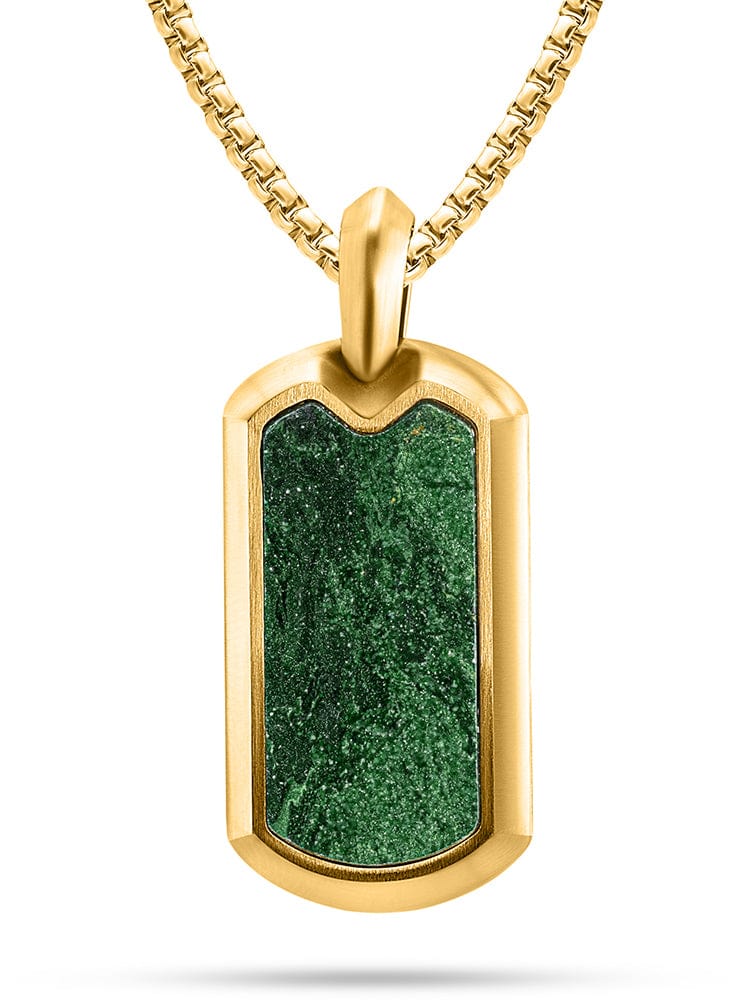
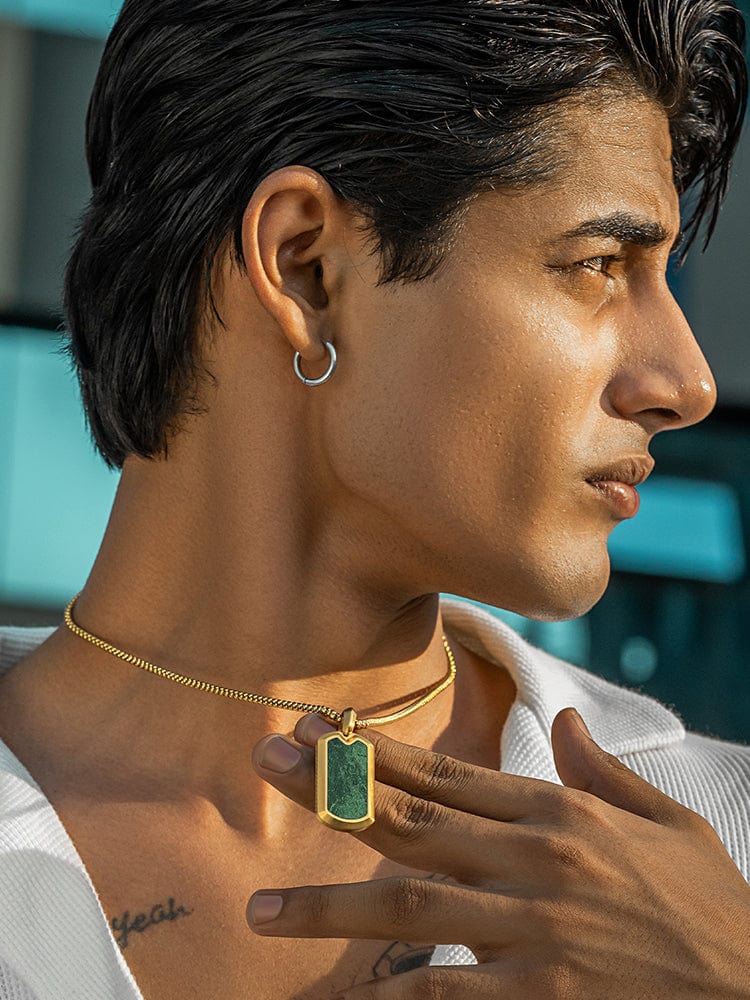
Pendants or pendants on chain: Works well for minimalists or those who prefer neckwear.
-
Combined jewelry: Jade rings, cufflinks, or even accessories with metal for a more refined, formal look.
Maintenance & Respect
-
Keep your jade clean: avoid harsh chemicals; gentle soap and water is usually enough.
-
Treat it with care: although tough, jade can chip or crack if dropped or struck against hard surfaces.
-
Respect its heritage: wear with intention remembering jade’s deep cultural and symbolic significance can deepen your connection to the stone.
6. What Wearing Jade Represents The Meaning Behind the Jade Bracelet for Men
When a man chooses jade jewelry, it often represents more than fashion. Here’s what wearing a jade bracelet can symbolize today:
-
Balance and inner calm: An anchor in a fast‑paced, stressful world.
-
Strength and resilience: A reminder of endurance, stability, and grounded energy.
-
Protection and good fortune: A talisman guarding against negativity or misfortune.
-
Connection to heritage and tradition: A subtle tribute to ancestral roots, cultural wisdom, and timeless values.
-
Mindfulness and intention: A wearable symbol that encourages daily reflection and conscious living.
For many men, jade becomes less a piece of jewelry and more a personal emblem, a companion for life’s journey.
7. Common Myths & Truths About Jade
Because jade carries mythic weight and spiritual connotations, misconceptions often arise. It’s helpful to separate fact from folklore.
Myth: Jade cures all ailments
Truth: While jade has been historically linked with health and healing, there is no scientific evidence proving that wearing jade cures diseases. It’s better to view jade as a symbolic or psychological support rather than a medical cure.
Myth: All green stones are jade
Truth: Many stones, serpentine, chrysoprase, dyed quartz can mimic jade. Authentic jadeite or nephrite has distinct characteristics: tight crystalline structure, specific hardness (Mohs 6–7), and a unique polish/lustre.
Myth: Bigger or darker jade is always more valuable
Truth: Value depends on quality translucency, color consistency, clarity, carving workmanship not just size or darkness. Sometimes subtle, high‑translucence jade is more valued than a large, opaque piece.
Jade in the Modern World Trends, Fashion & Significance
In recent decades, jade jewelry has seen a resurgence not just in traditional markets, but globally.
-
Men’s fashion embracing heritage pieces: From streetwear to formal attire, jade bracelets, rings, and pendants are becoming part of masculine fashion vocabulary.
-
Wellness and spiritual movement: As interest grows in mindfulness, energy healing, and natural living, jade fits as both a beautiful accessory and a symbolic tool for balance.
-
Global cultural appreciation: Beyond its Asian roots, people worldwide now appreciate jade’s history and meaning making it a cross‑cultural gemstone.
-
Sustainable and meaningful jewelry choice: Compared to trendy or fast‑fashion accessories, jade pieces are often investment‑worthy, timeless, and carry emotional or spiritual weight.

How to Incorporate Jade Jewelry Into Your Lifestyle
If you decide to add a jade bracelet, pendant, or ring to your collection here’s how to make it meaningful and practical:
-
Wear it daily as a subtle reminder of your intentions, protection, balance, success, or inner peace.
-
Combined with meditation, mindfulness, or breathwork jade can enhance the sense of calm and centered energy.
-
Pair with outfits that complement jade’s natural tones, neutral, earthy, or monochrome fashion works especially well.
-
Use as a symbolic piece a gift, a milestone marker, or a wearable talisman during important life events.
-
Treat it as an heirloom with proper care, jade jewelry can last generations.
Final Thoughts - Why Jade Still Matters Especially for Men
Jade’s journey from ancient civilizations to modern runways speaks to its power and versatility. As a gemstone, it combines beauty, durability, and deep symbolism. As a piece of jewelry, especially a jade bracelet for men, it provides a bridge between tradition and contemporary style.
When you wear jade, you wear more than stone. You wear history, culture, intention, and possibly even protection. For those seeking not just fashion, but meaning, jade remains one of the greatest gemstone choices.
Whether you’re drawn to jade for its aesthetic elegance, its symbolic resonance, or its spiritual appeal you’re connecting with thousands of years of heritage.
At RTZN, we believe jewelry is more than decoration. It’s a story, a philosophy, a presence. If you choose jade, wear it with respect, appreciation, and mindful intention.