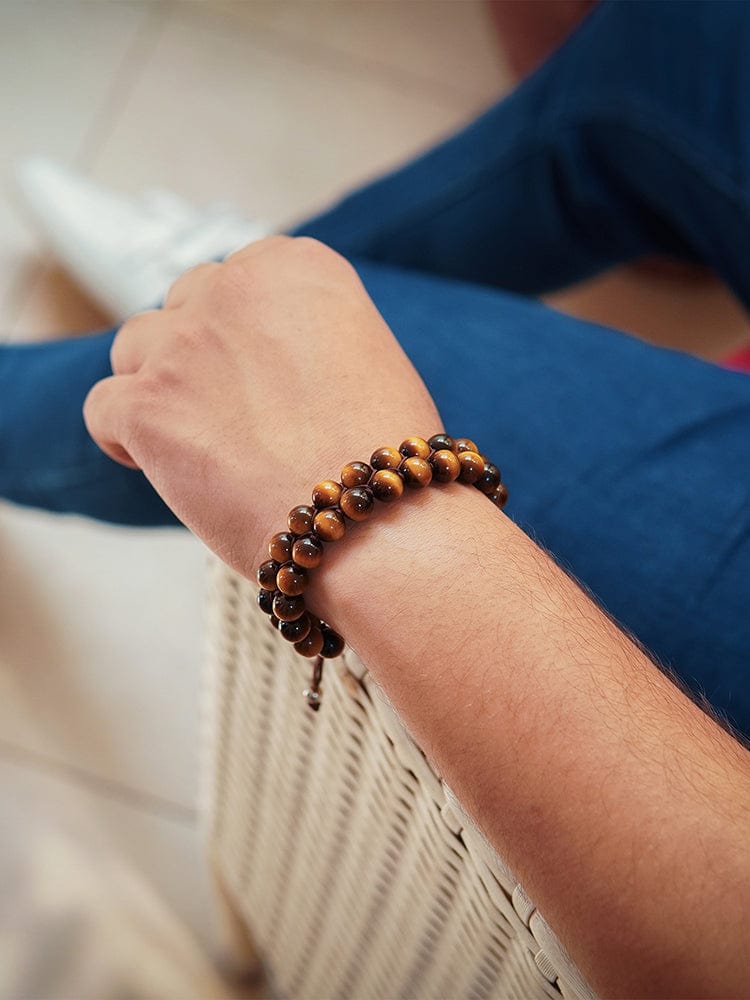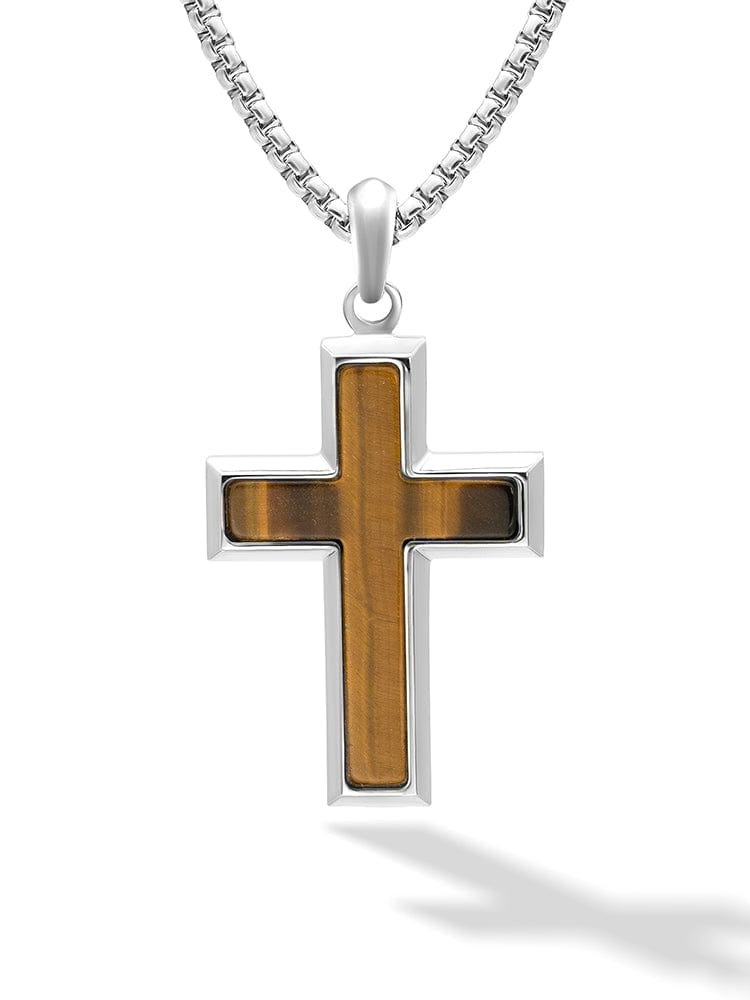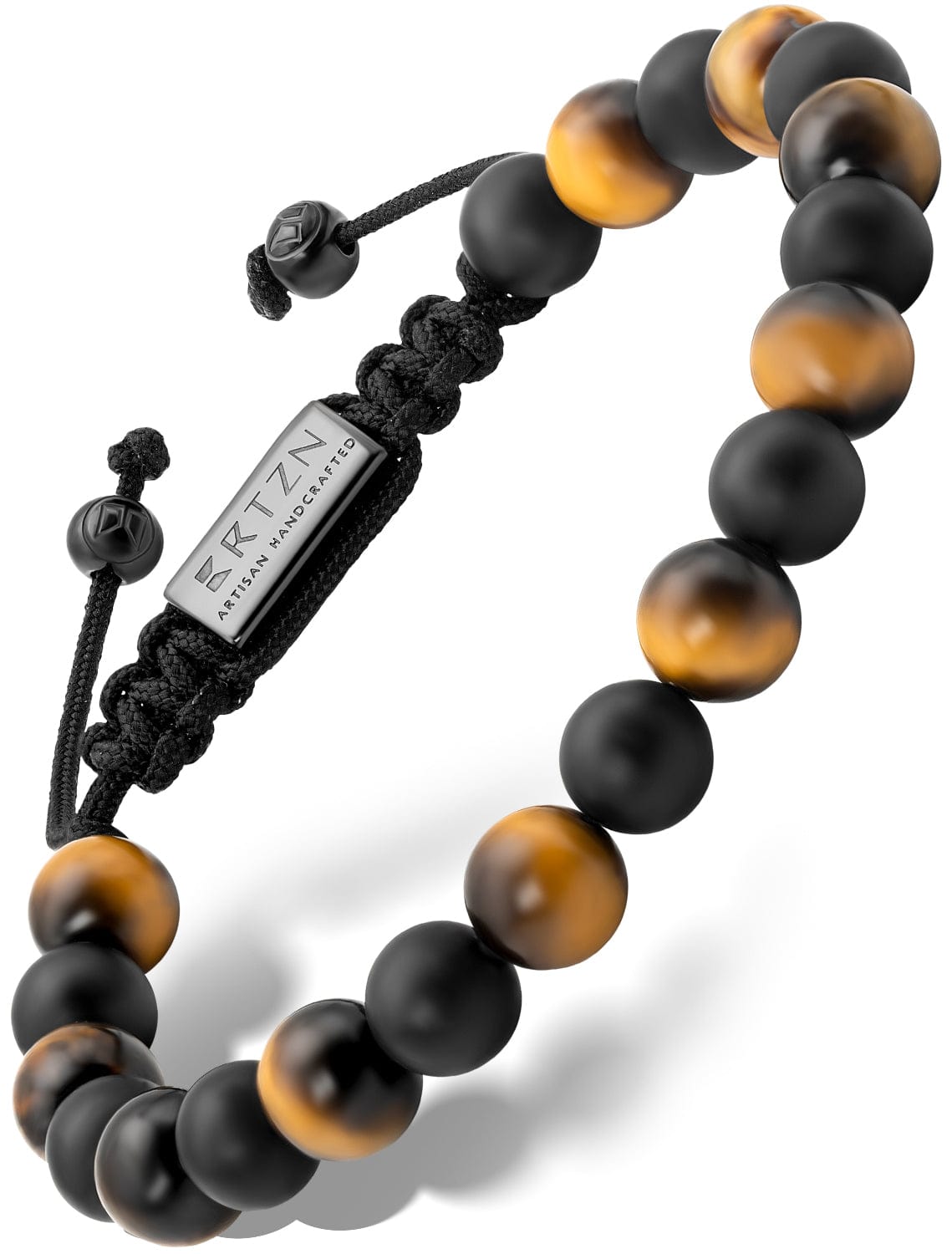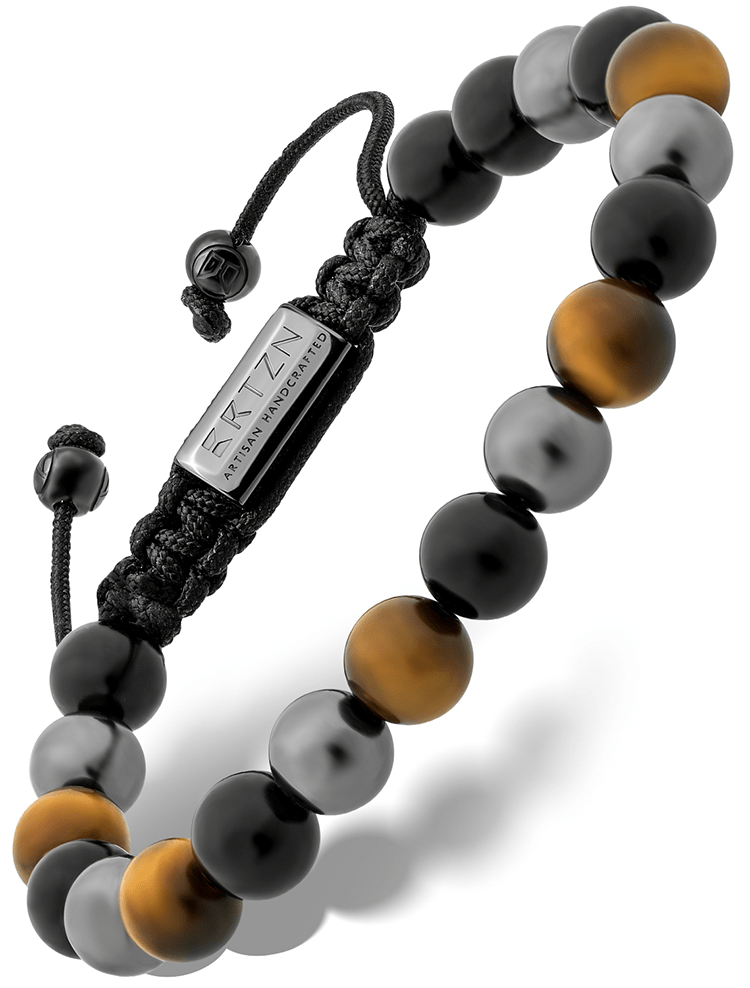



Tiger eye is one of the most widely worn natural stones in men's jewelry and for good reason. Its rich golden-brown bands, silky chatoyant shimmer, and centuries-deep symbolism make it more than just a visual statement. Whether you're drawn to it for its look or its lore, understanding what tiger eye actually is deepens your connection to the piece on your wrist.
What Is Tiger Eye Stone?
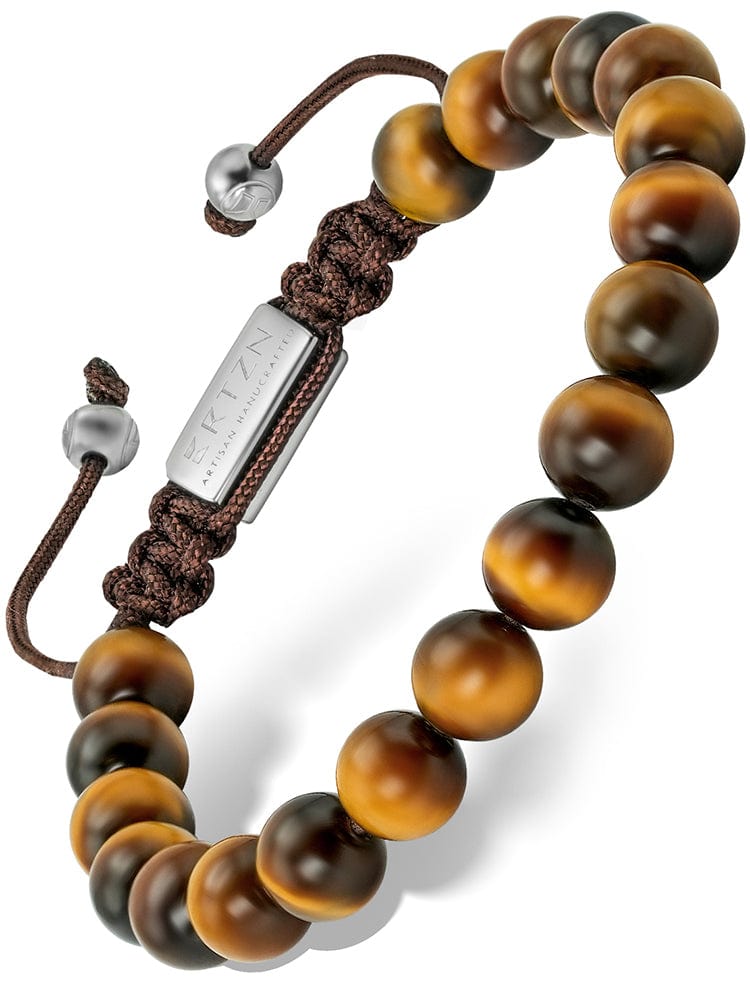
Tiger eye is a golden-brown variety of quartz with a striking optical phenomenon called chatoyancy a silky, moving luster caused by fibrous inclusions of crocidolite (a type of asbestos) that have been replaced by quartz over time. The result is a stone that seems to glow from within, shifting in the light like the eye of a predator. It forms primarily in South Africa, Australia, and parts of Asia.
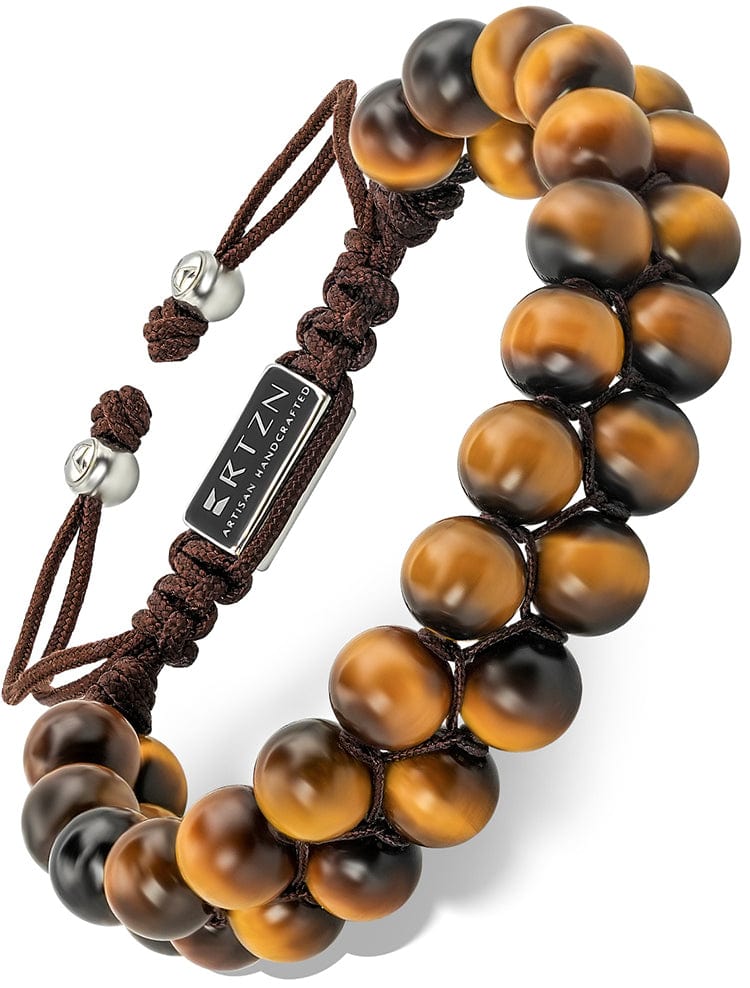
The stone typically ranges from warm honey-gold to deep brown, with natural banding that makes each piece unique. No two tiger eye beads are identical which is a big part of what makes tiger eye bracelets feel personal.


Tiger Eye Meaning & Symbolism
Across cultures, tiger eye has been associated with courage, clarity, and protection. Ancient Egyptian warriors embedded it into the eyes of statues to channel divine vision. Roman soldiers carried it into battle for its perceived power to deflect harm. In Eastern traditions, it is connected to the solar plexus chakra the center of personal power, confidence, and will.
For modern wearers, tiger eye has become a symbol of mental focus and staying grounded under pressure. Many men who work in high-stakes environments from finance to creative industries wear tiger eye as a reminder to stay sharp, present, and self-assured.

Tiger Eye Properties & Benefits
- Grounding energy connects you to the present moment and physical environment
- Confidence boost historically associated with strength, courage, and decisiveness
- Mental clarity said to help cut through confusion and sharpen focus
- Protective energy worn as a talisman against negative energy and self-doubt
- Balance the blended gold and brown tones symbolize the harmony of earth and sun
How to Wear Tiger Eye
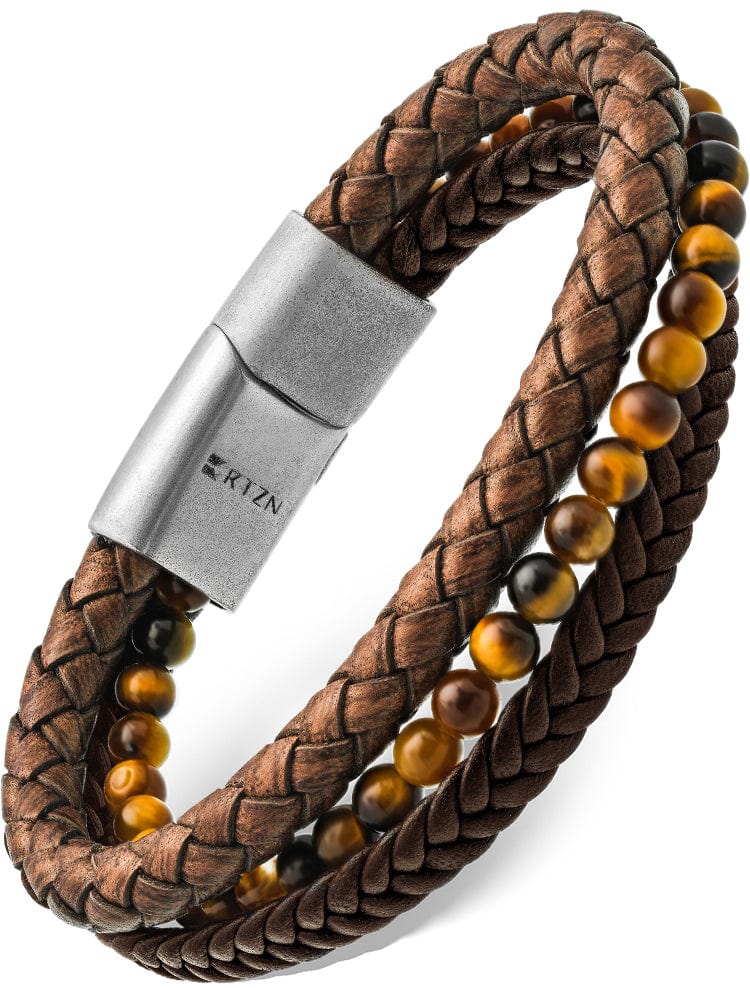
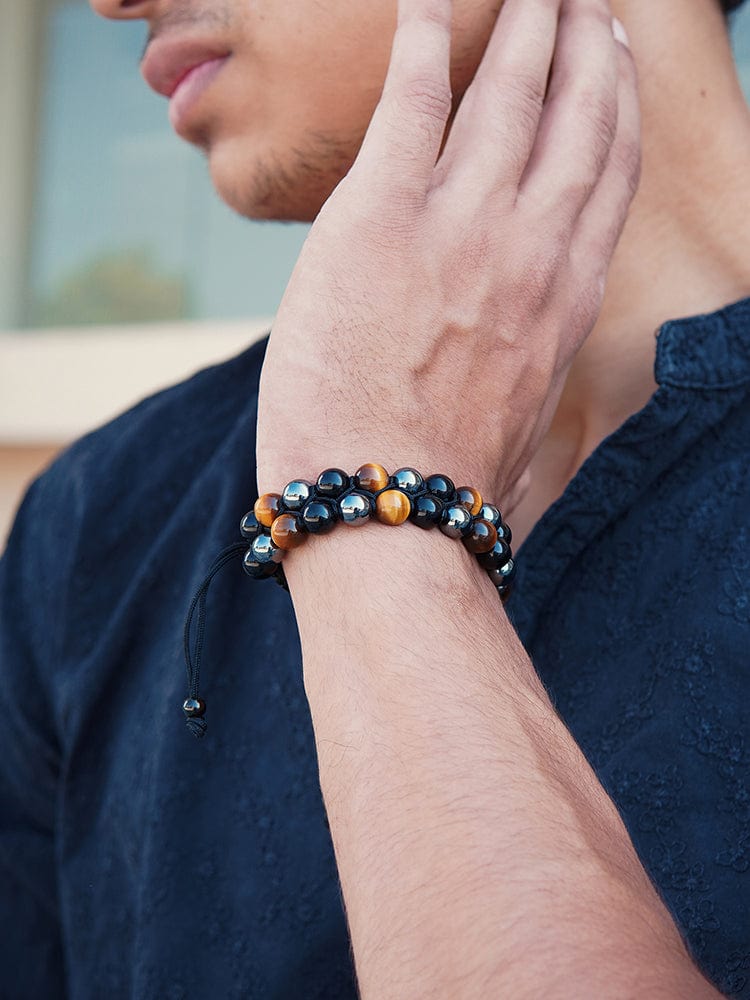
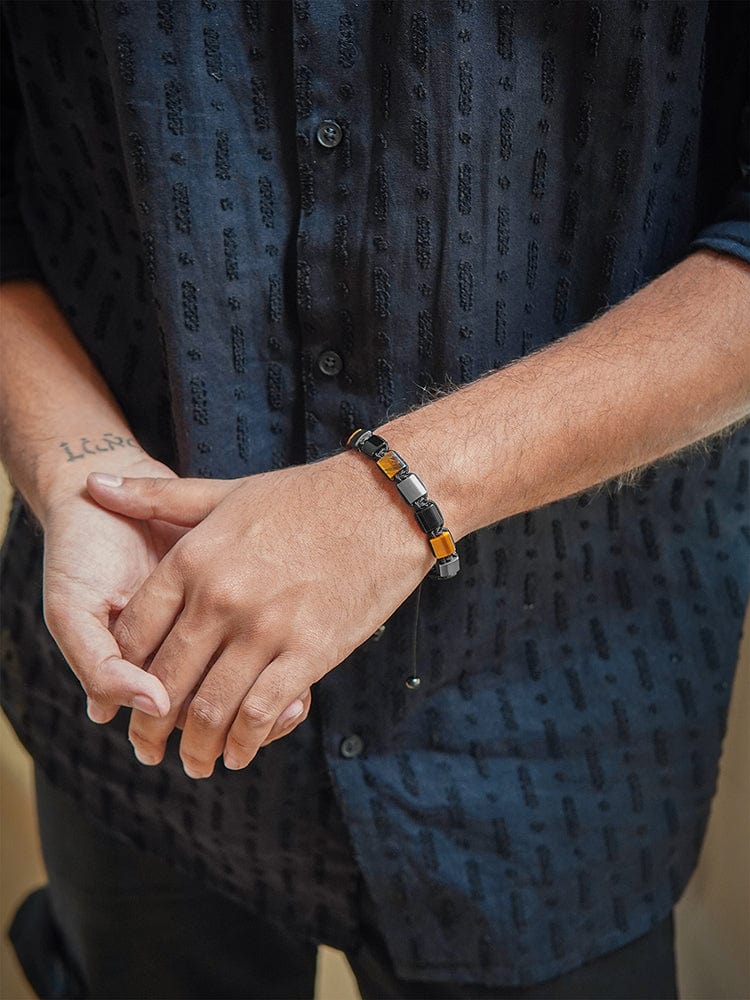
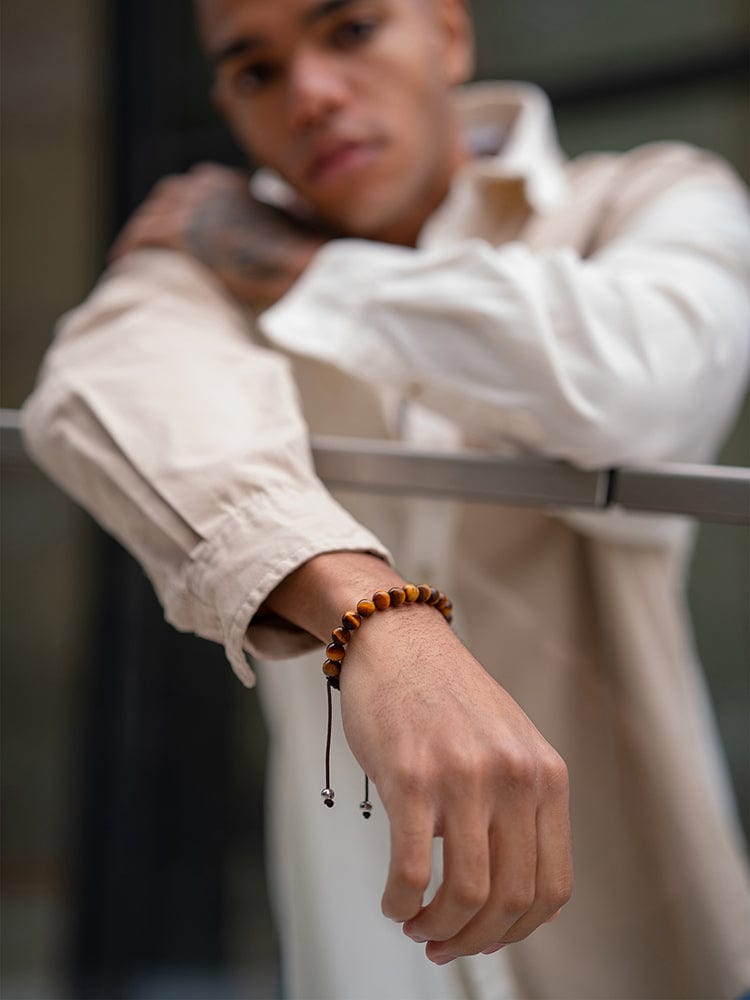
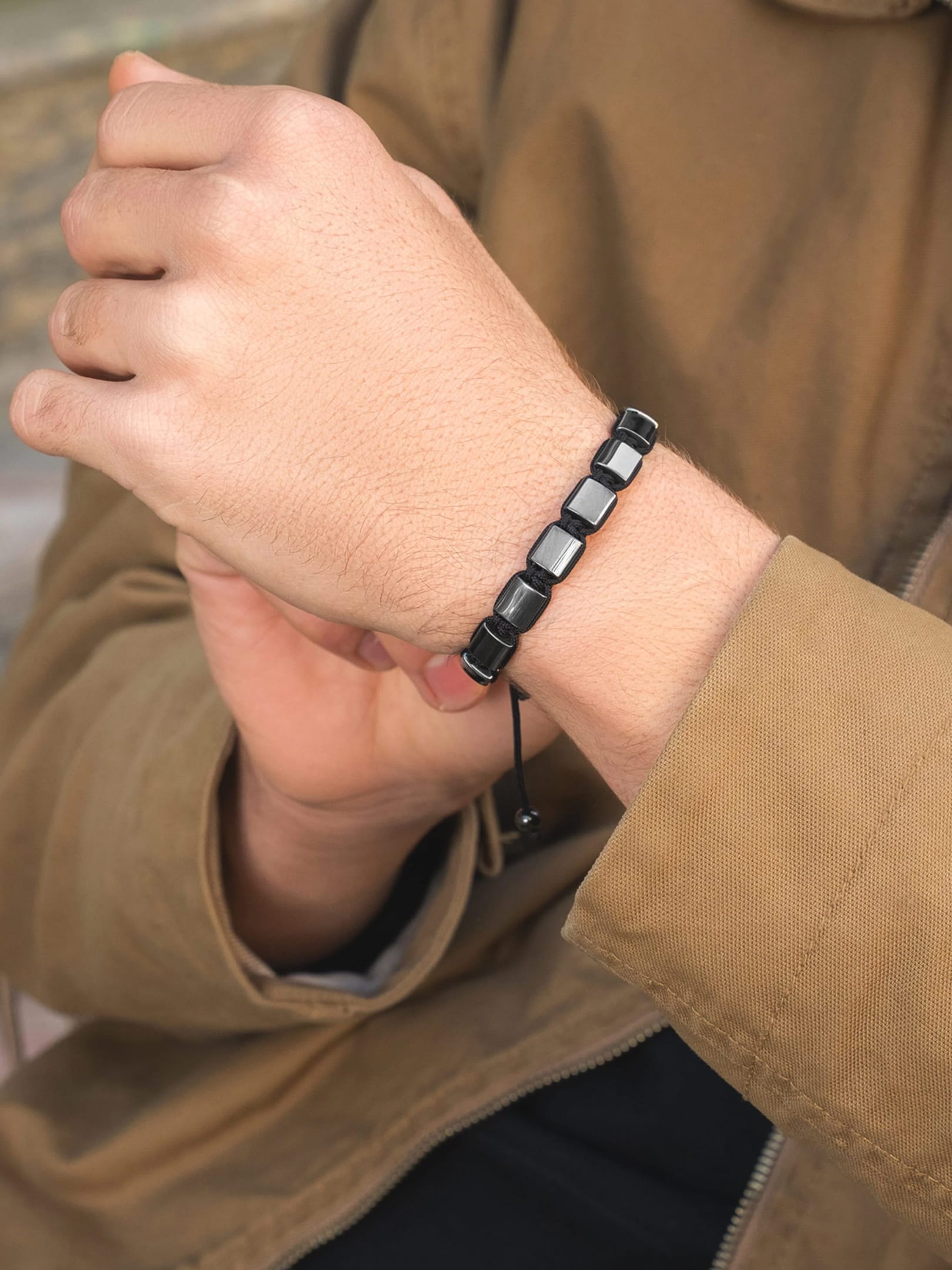
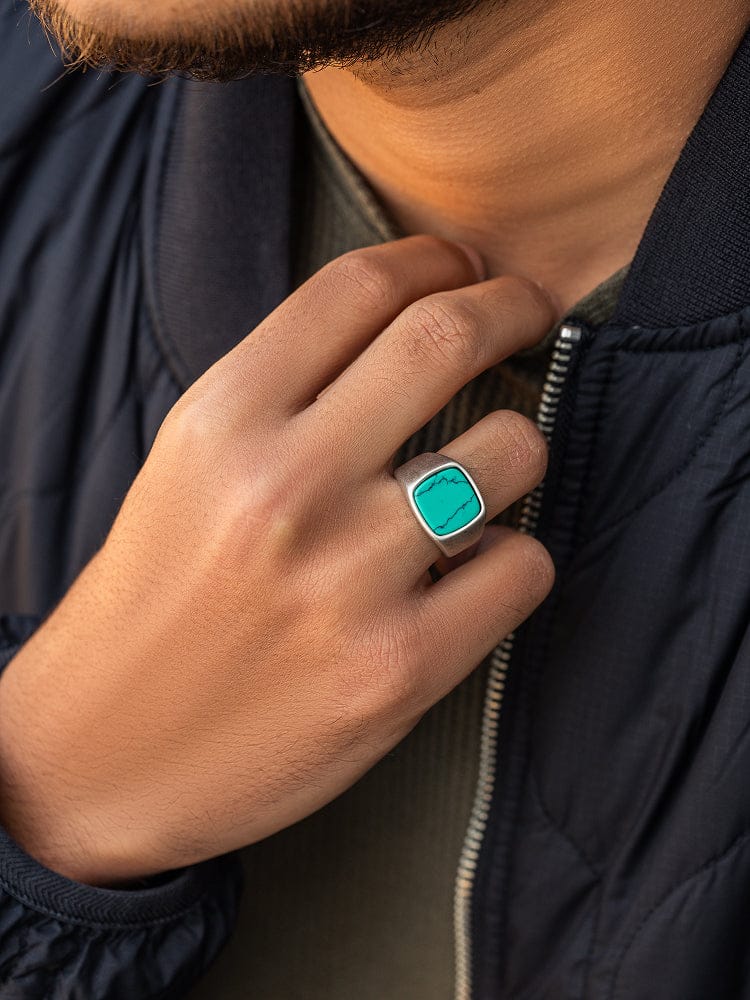
Tiger eye works in almost every context casual, business casual, or layered with other stones. Its warm tones pair naturally with earth-toned outfits, leather accessories, and raw wood elements. In a bracelet stack, tiger eye serves as the anchor piece grounding bolder stones like black onyx or lapis lazuli. Worn solo on a single-wrap bracelet, it reads clean and intentional.
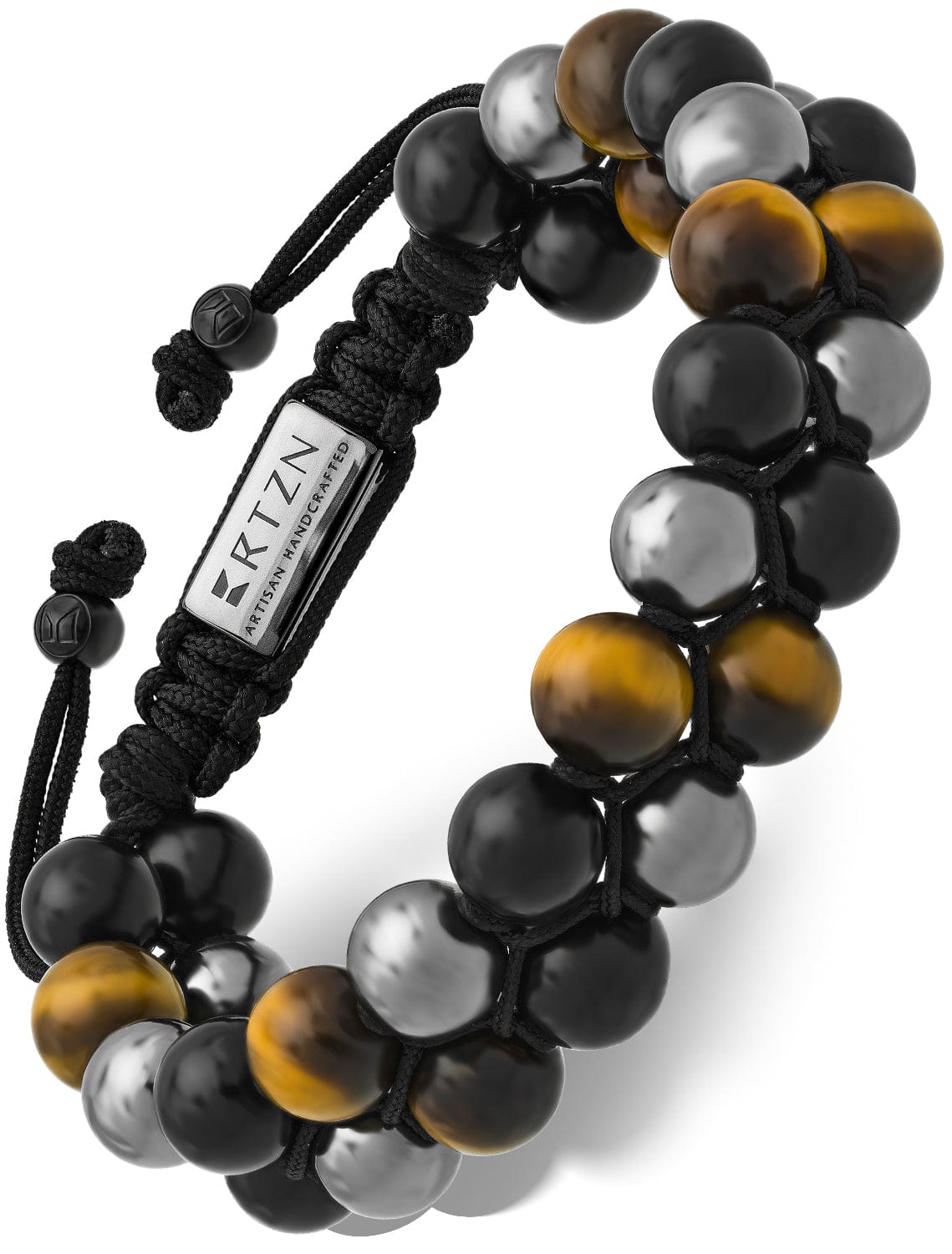
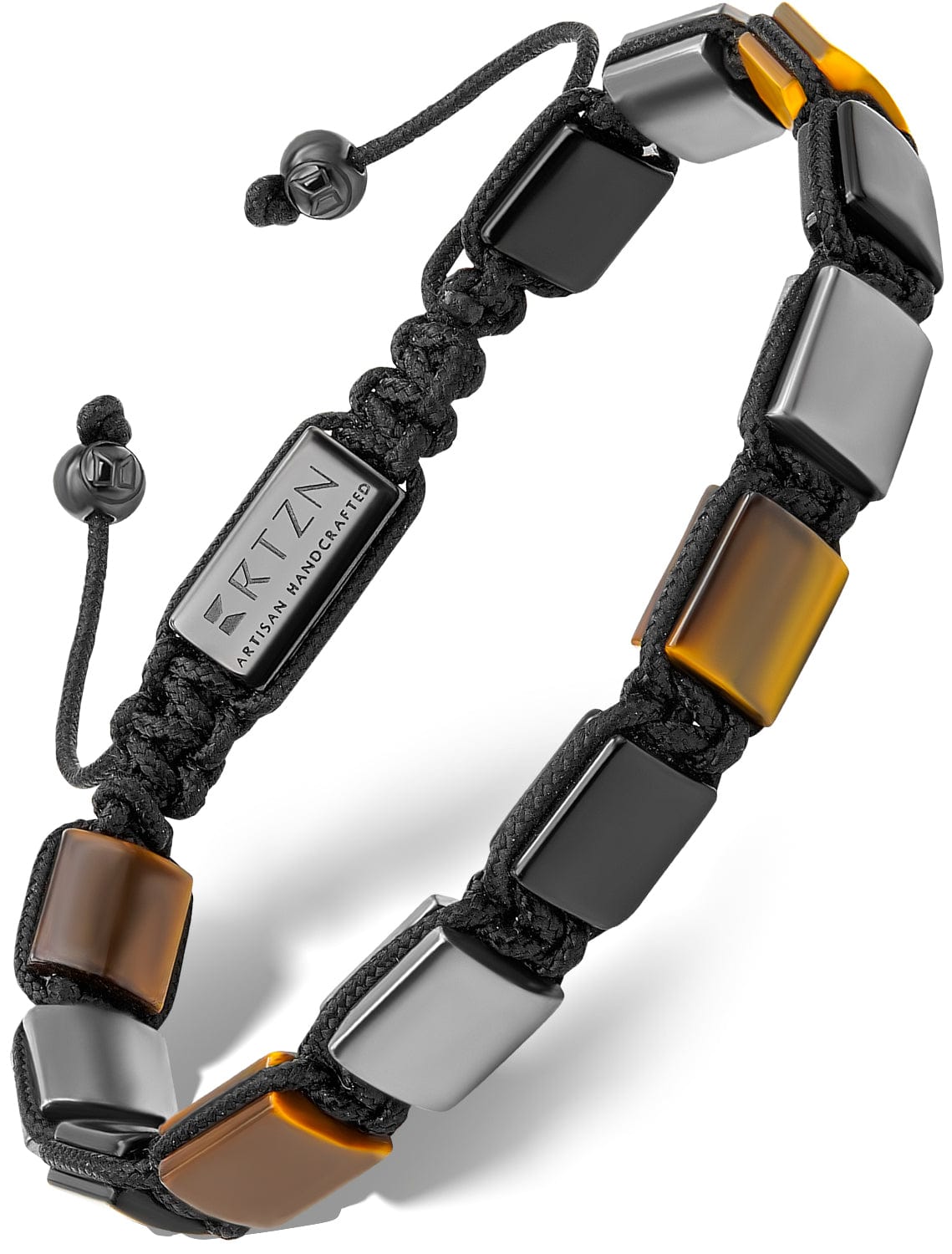
RTZN's Tiger Eye Bali bracelets and Tiger Eye Mykonos bracelets are hand-knotted with natural tiger eye beads and finished with 316L stainless steel hardware that won't tarnish or discolor. If you want the full energy stack, pair a tiger eye bracelet with our Triple Protection bracelet which combines tiger eye, black obsidian, and hematite in a single piece.

Faqs
Q1: What is tiger eye stone good for?
Tiger eye is associated with confidence, mental clarity, and protection. It is traditionally worn for grounding energy, helping the wearer stay focused and calm under pressure.
Q2: Is tiger eye a powerful stone?
Tiger eye is considered one of the more potent protective stones in crystal traditions. It combines solar energy with earthy grounding, making it popular among those seeking both strength and stability.
Q3: What chakra is tiger eye associated with?
Tiger eye is primarily linked to the solar plexus chakra (Manipura), which governs personal power, confidence, and willpower. Some practitioners also associate it with the sacral chakra.
Q4: Can men wear tiger eye bracelets?
Yes tiger eye is one of the most popular stones in men's jewelry. Its earthy golden-brown tones and natural pattern make it a masculine, versatile stone that works well stacked or worn alone.
Q5: Where is tiger eye stone found?
The majority of tiger eye comes from South Africa, particularly the Northern Cape region. It is also found in Australia, India, Burma, and parts of the United States.