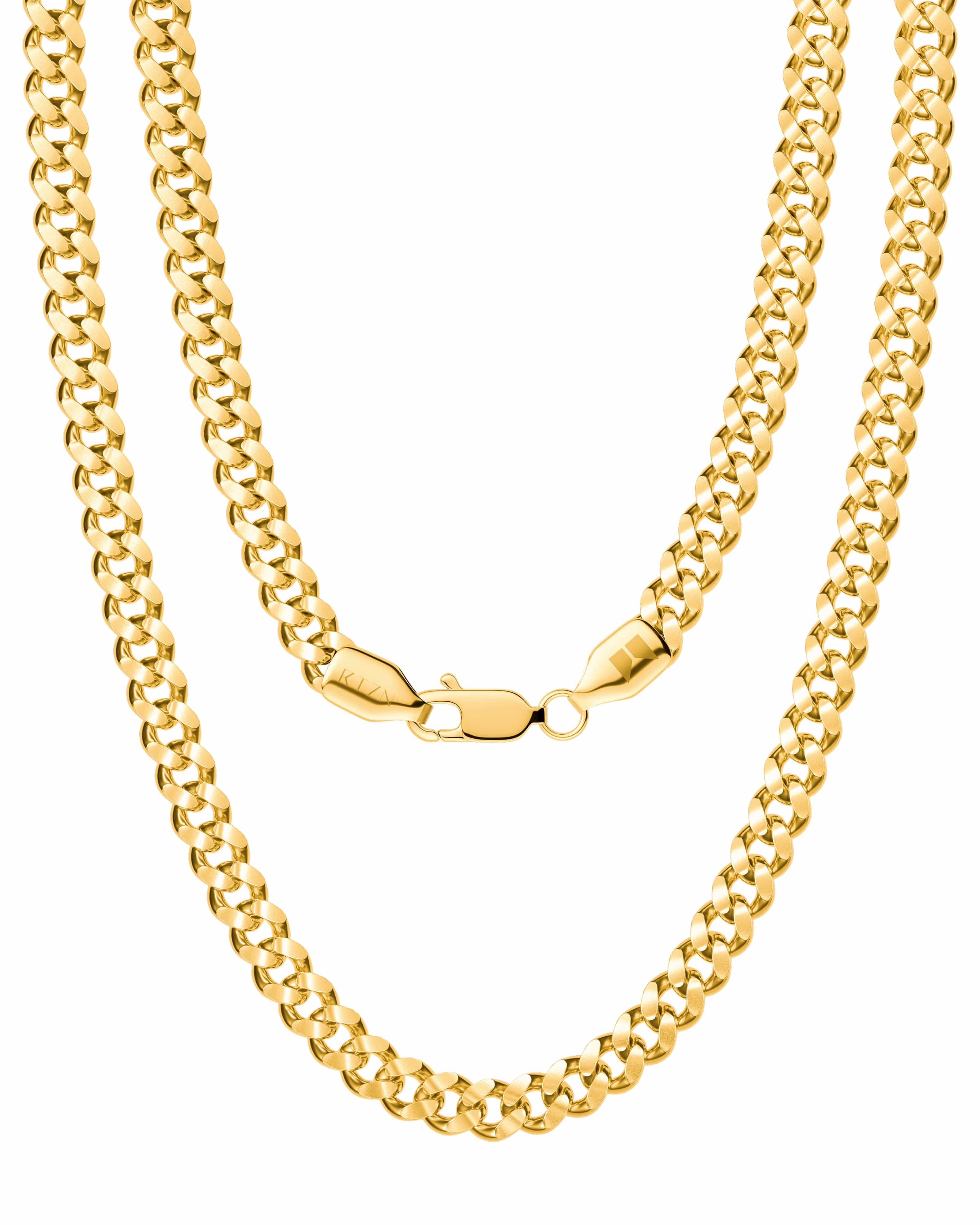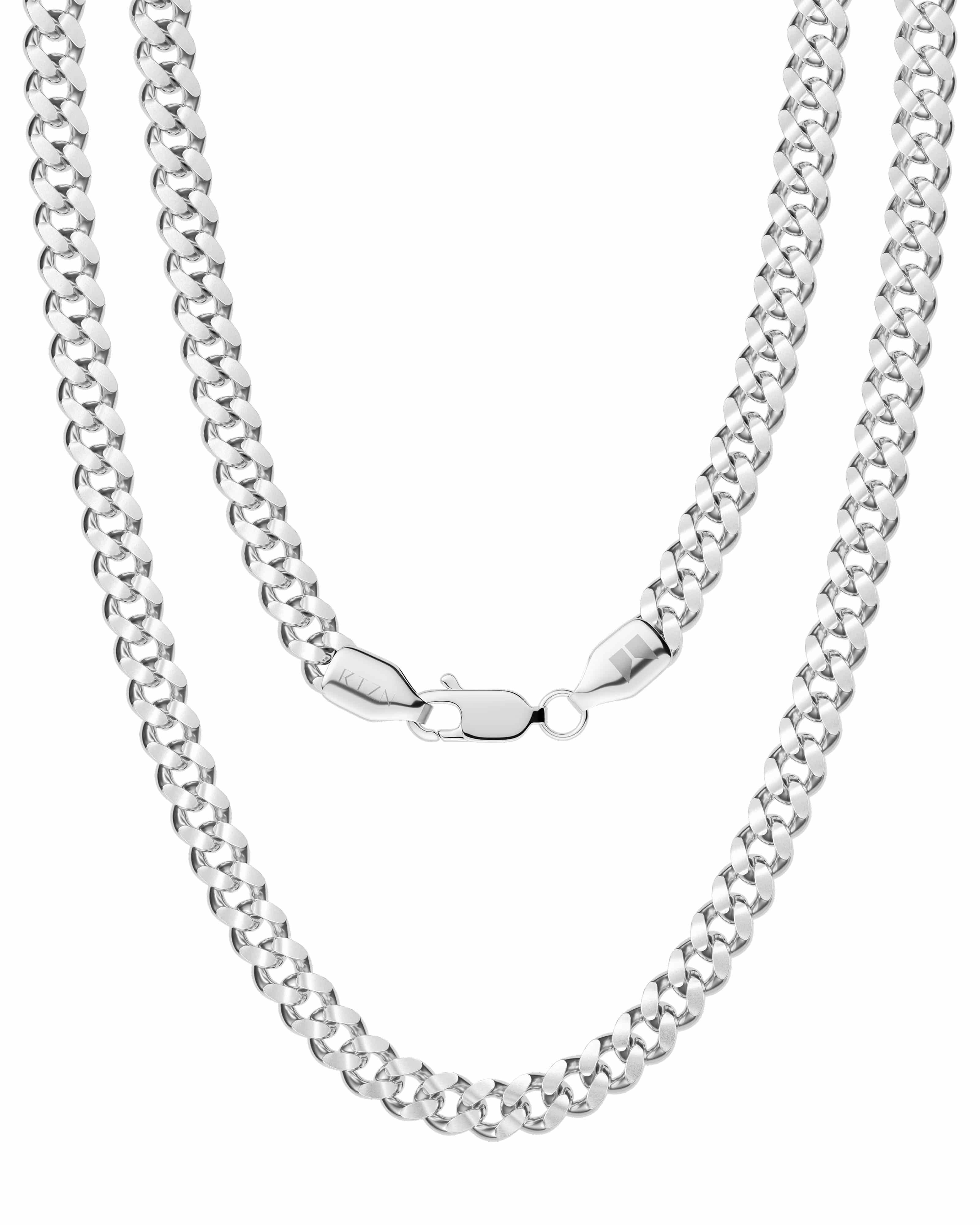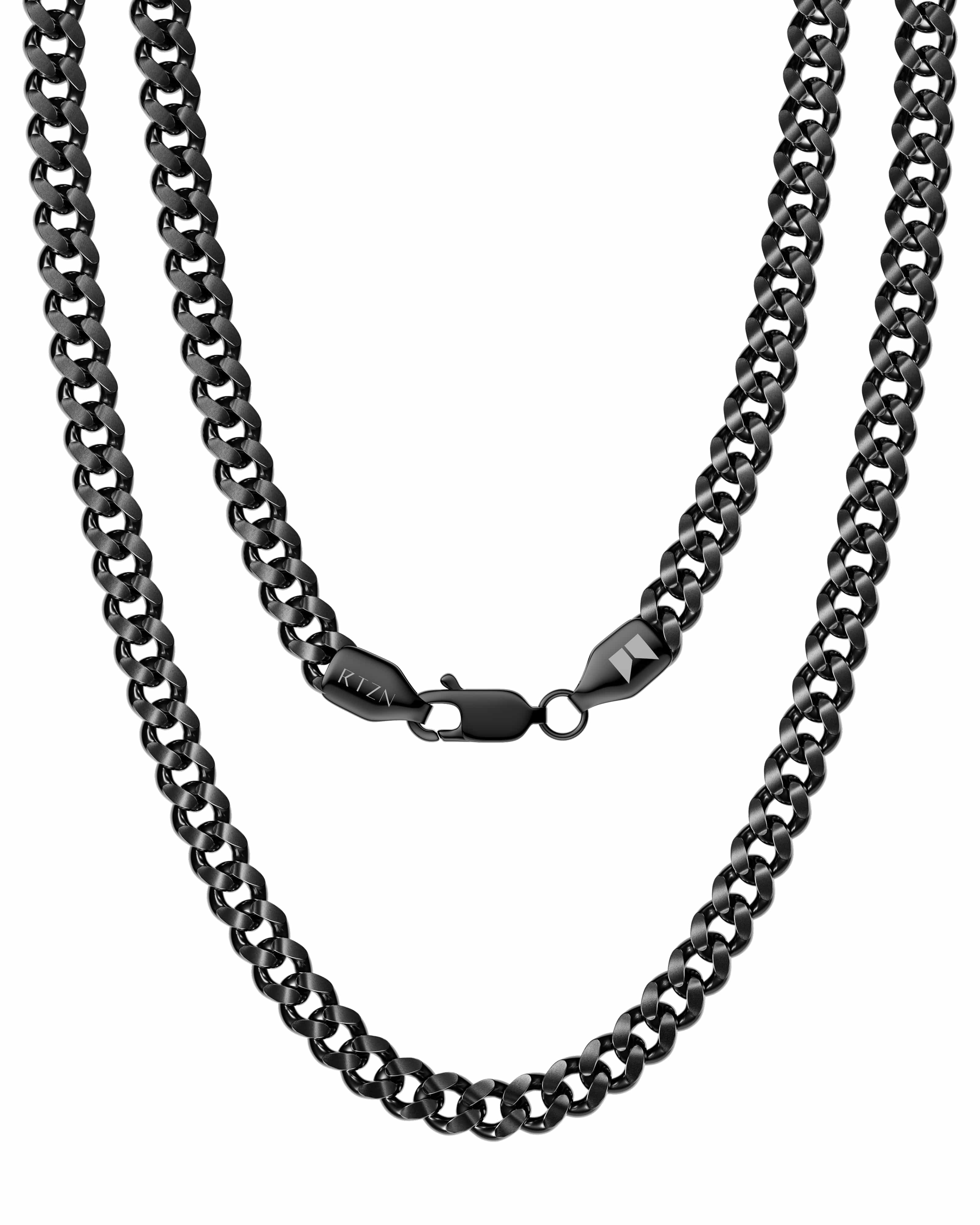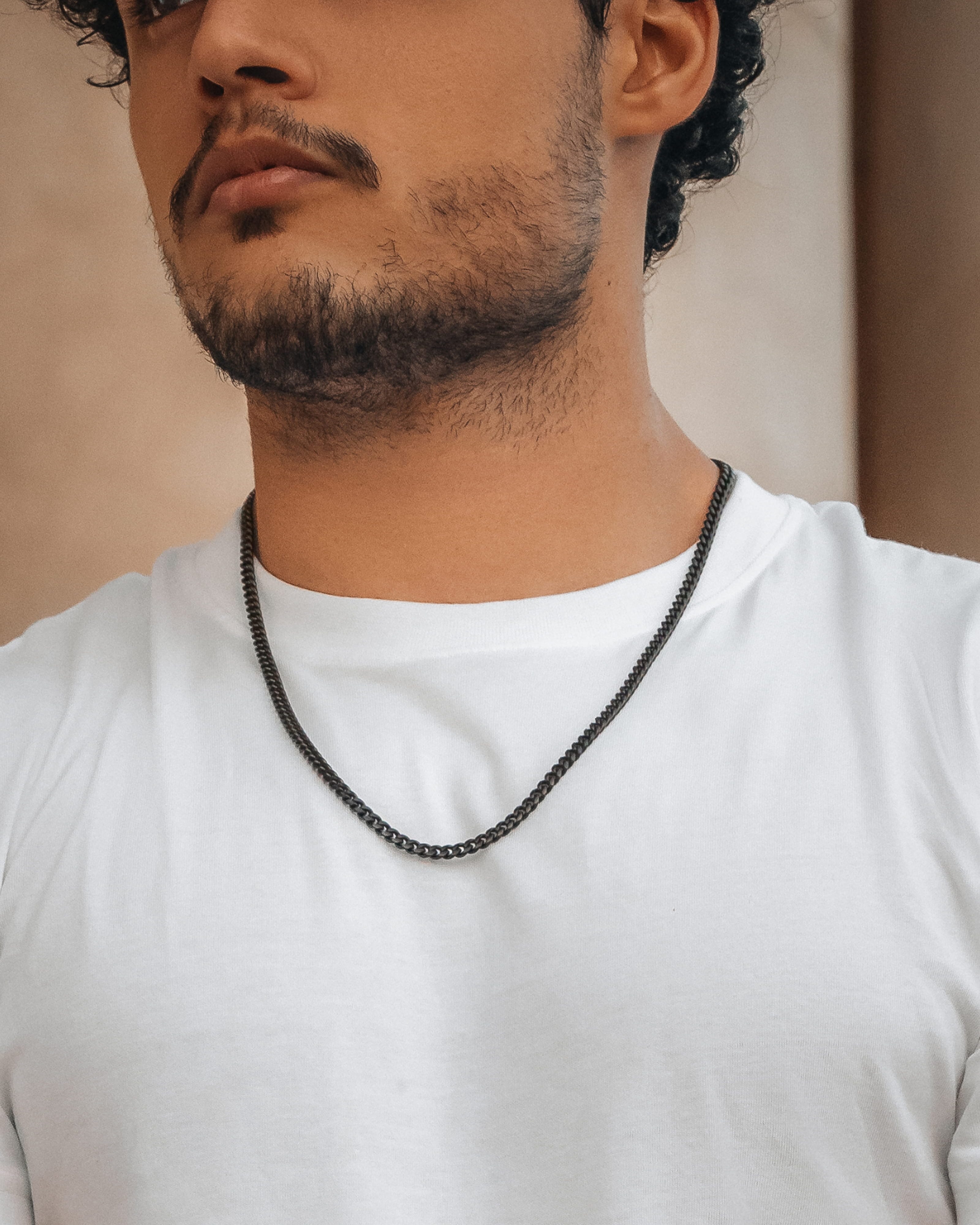

Layered necklaces have become one of the most visible jewelry trends in men's style over the past few years but pulling it off requires more than throwing on multiple chains. Done right, layered necklaces communicate intention, depth, and a studied sense of style. Done wrong, they look tangled and accidental. This guide covers everything you need to build a layered necklace look that works.


The Core Rule: Step the Lengths
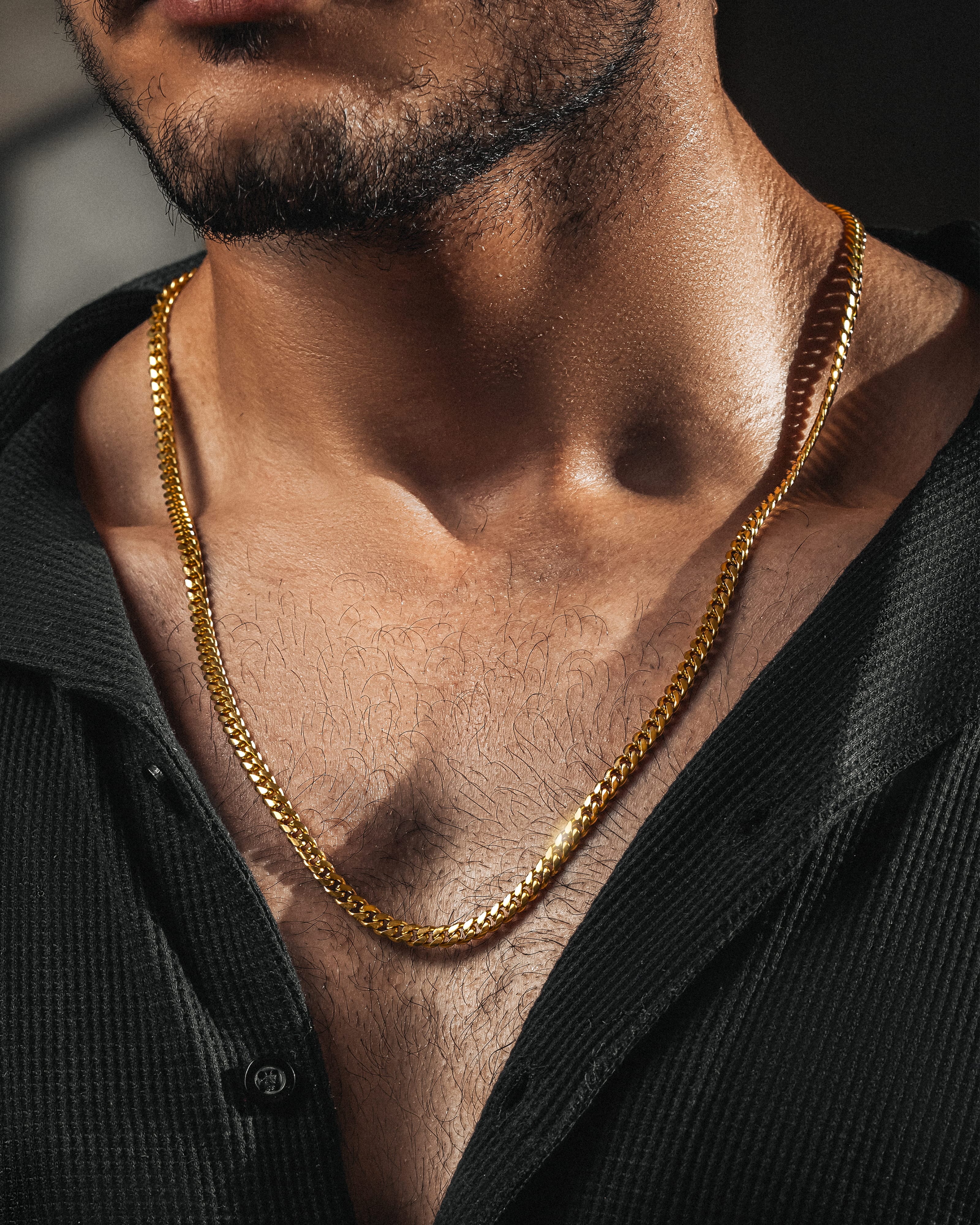
The foundation of successful necklace layering is length separation. Each chain should sit at a clearly distinct level on your chest a minimum of 2 inches (ideally 3–4 inches) between each piece. This prevents tangling and ensures each chain is visually readable as a separate element. A typical layered setup might use: 18" at the collarbone, 22" at mid-chest, 26" at the lower chest.
Mixing Chain Styles
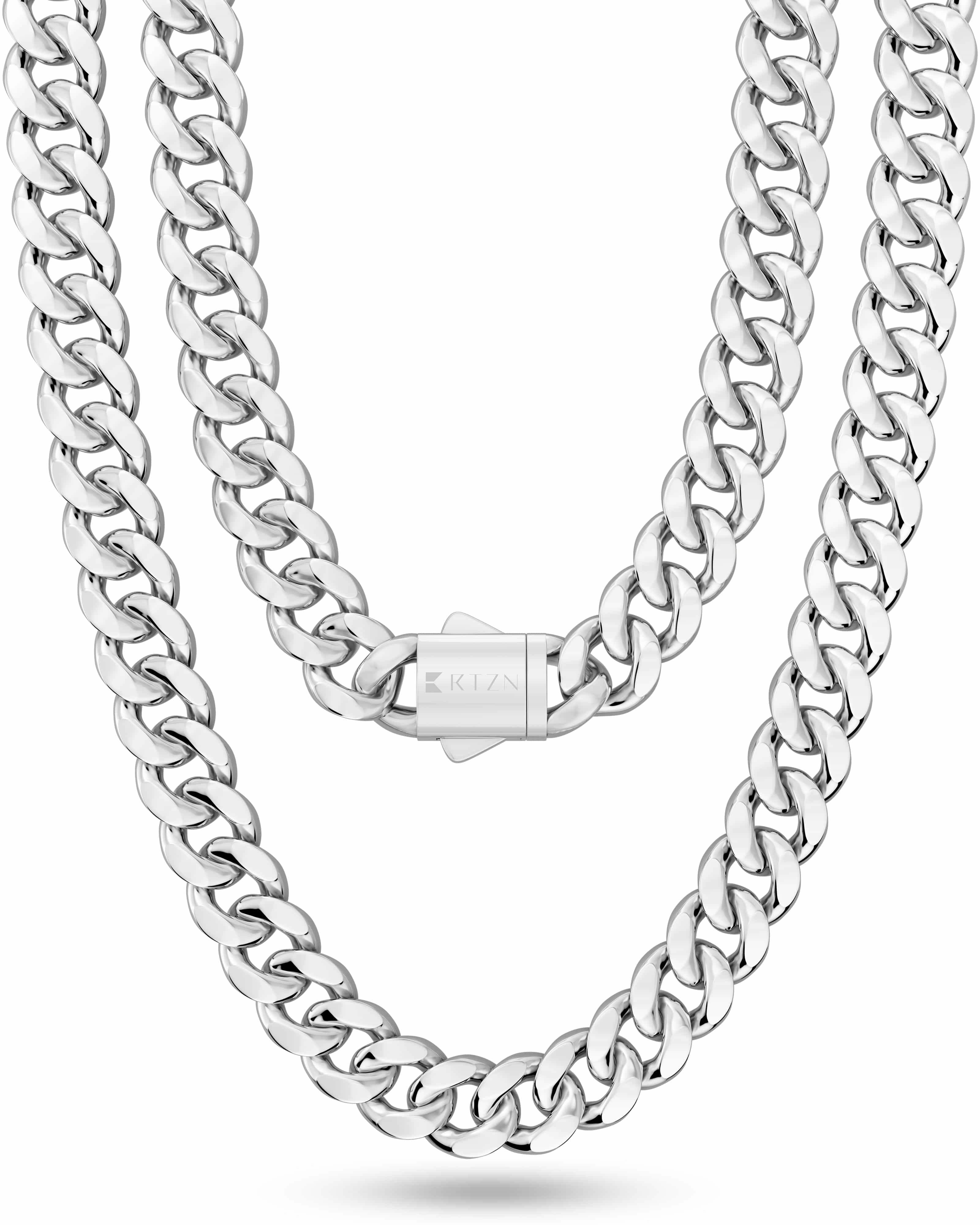
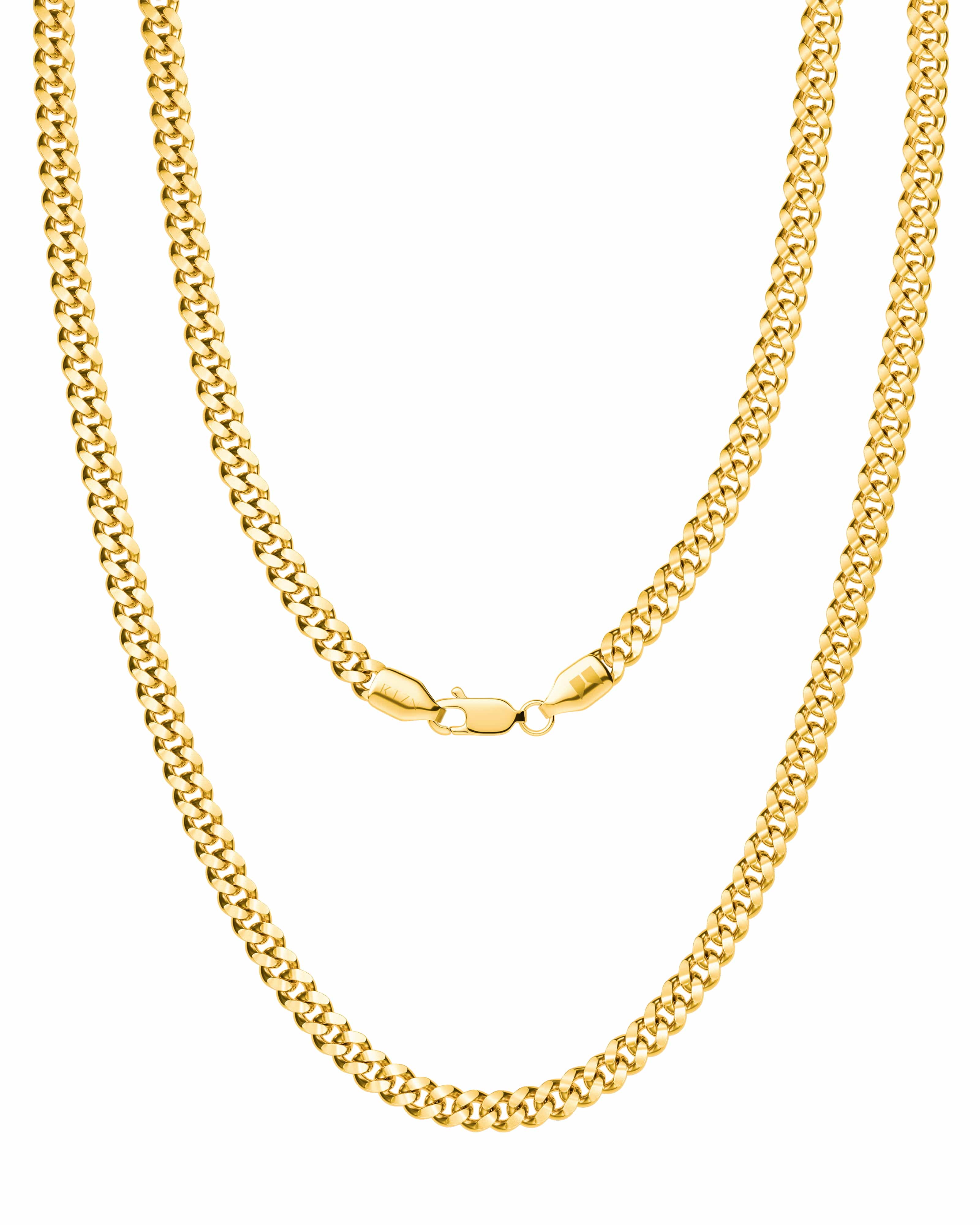
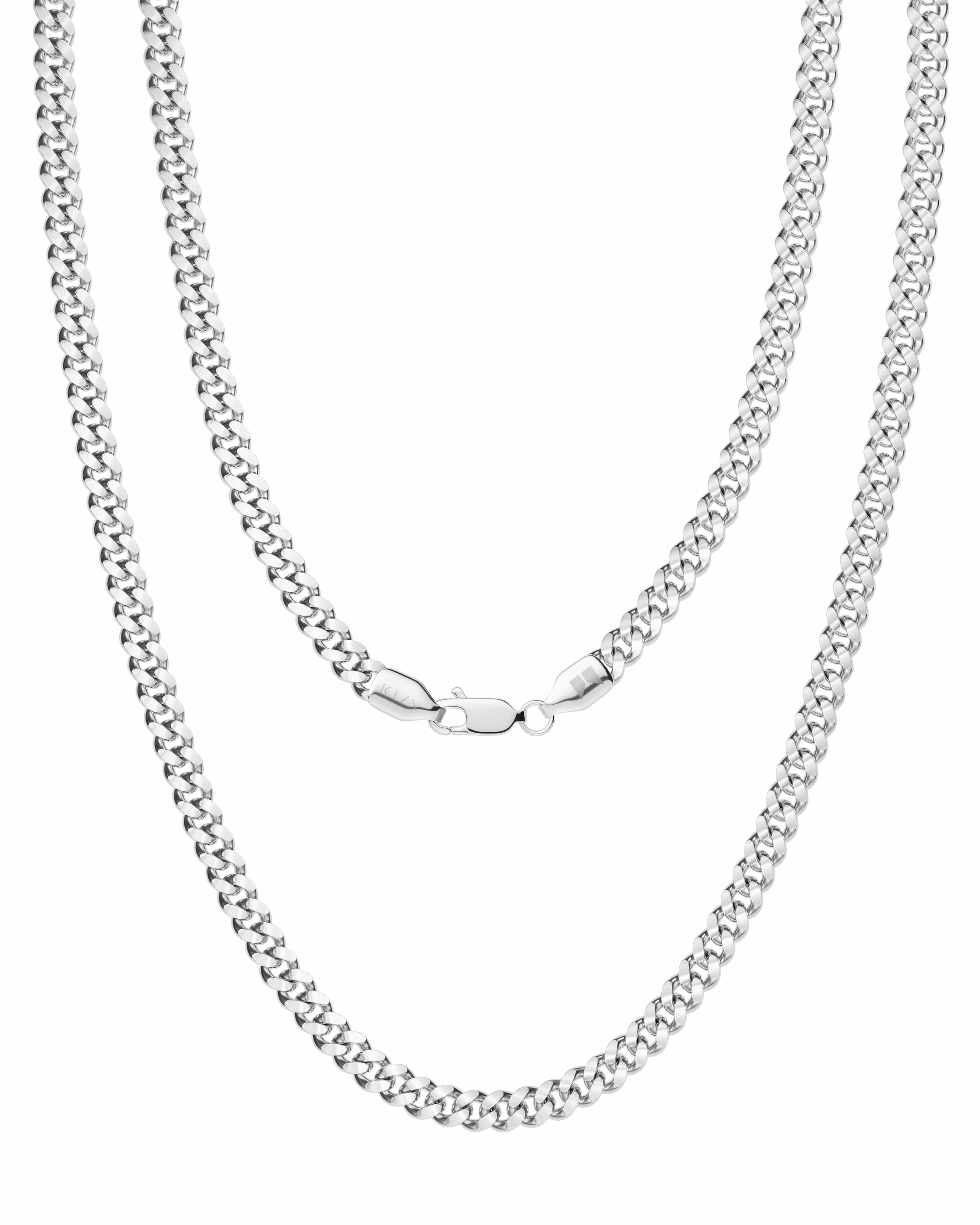
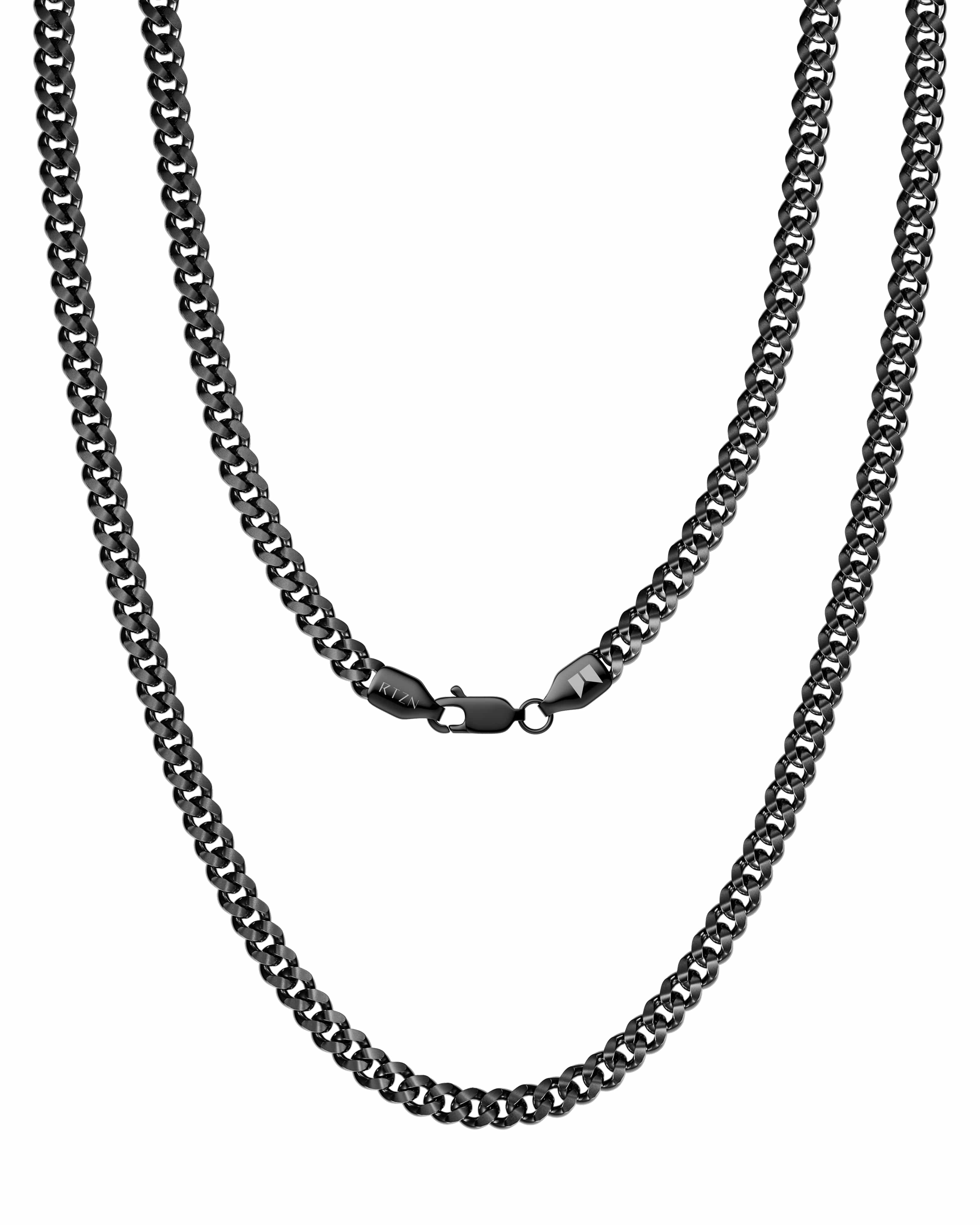
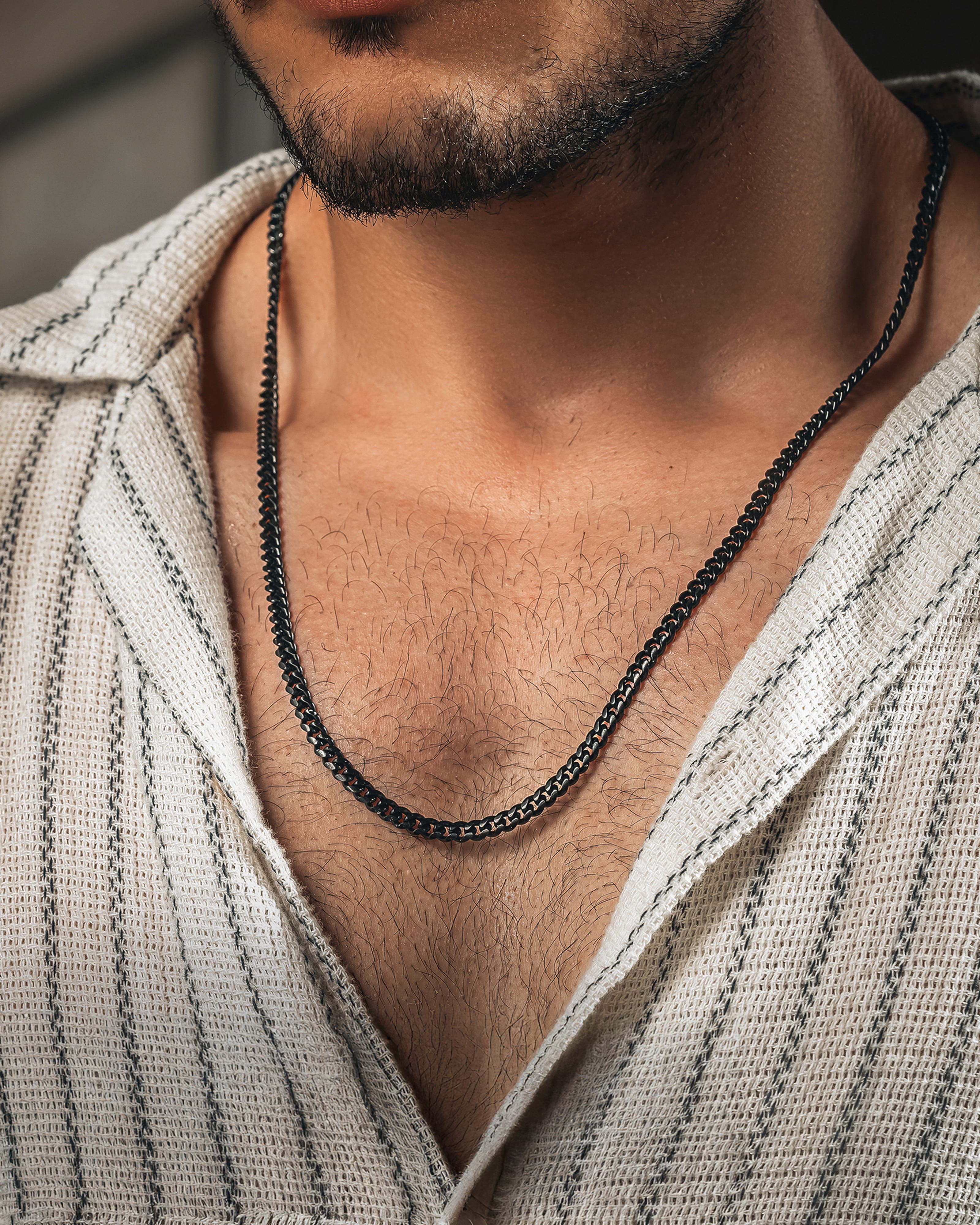
The most versatile layered look mixes at least two different chain styles. Cuban link + rope chain is the most popular combination the bold, flat face of Cuban link alongside the round twisted texture of rope creates visual contrast without clashing. Box chain + Cuban link provides a different contrast fine and geometric vs. bold and linked. Layering two Cuban link chains in different widths also works the scale variation creates hierarchy.
Avoid layering two identical chain styles at different lengths it reads like you wore the same necklace twice by accident. The only exception: two very different widths of the same chain type, where the size contrast is the point.

Pendants in a Layered Setup
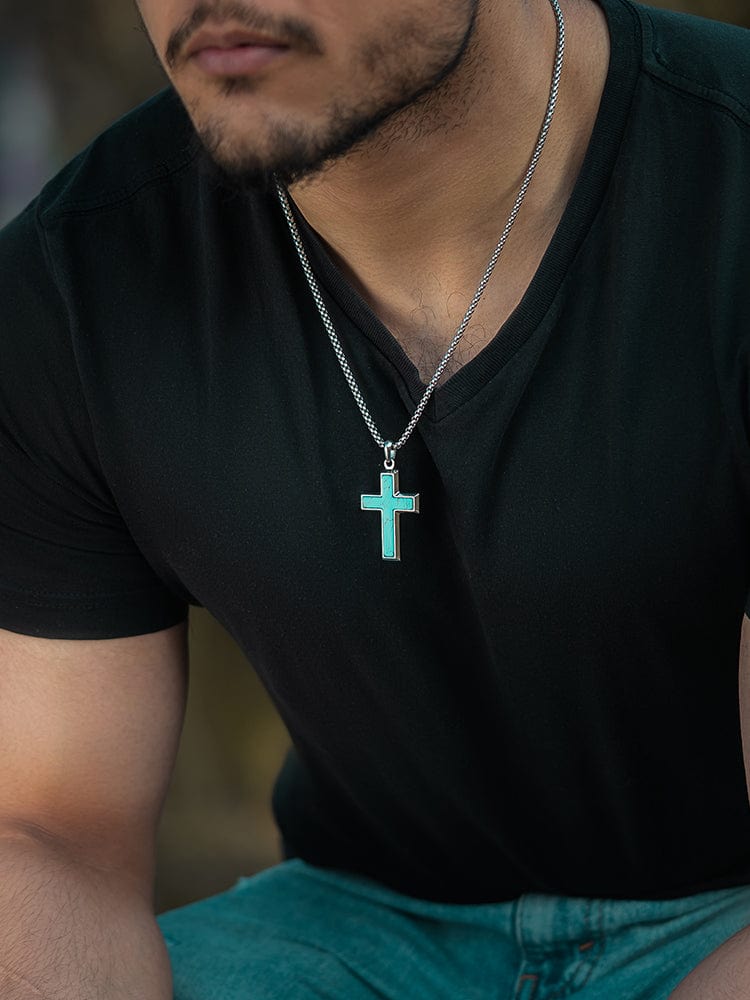
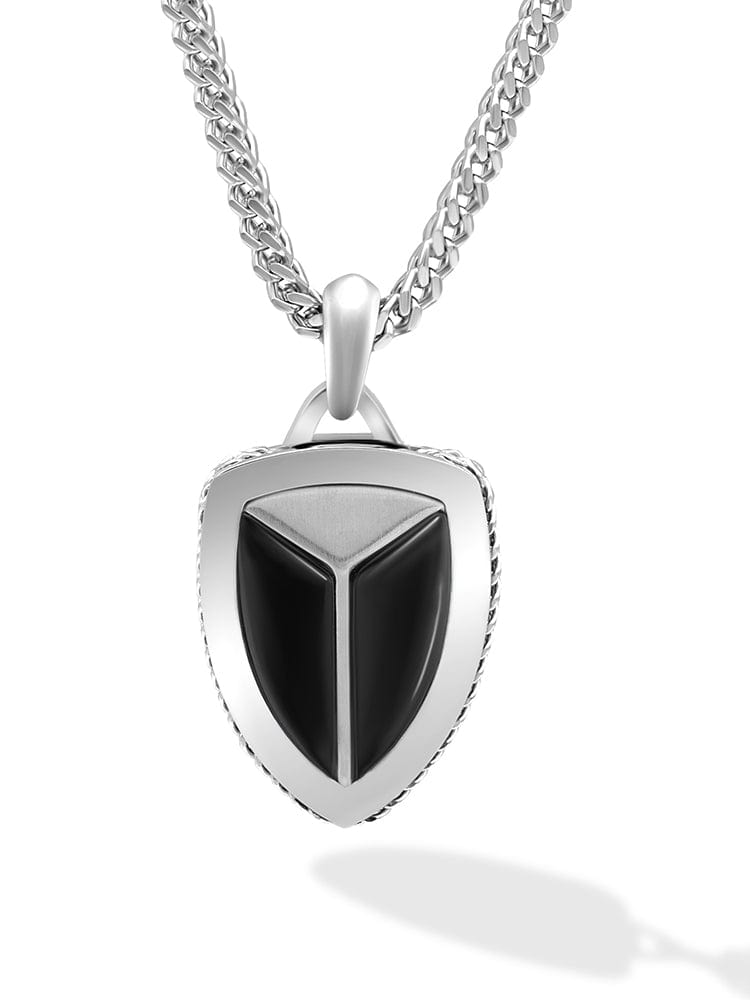
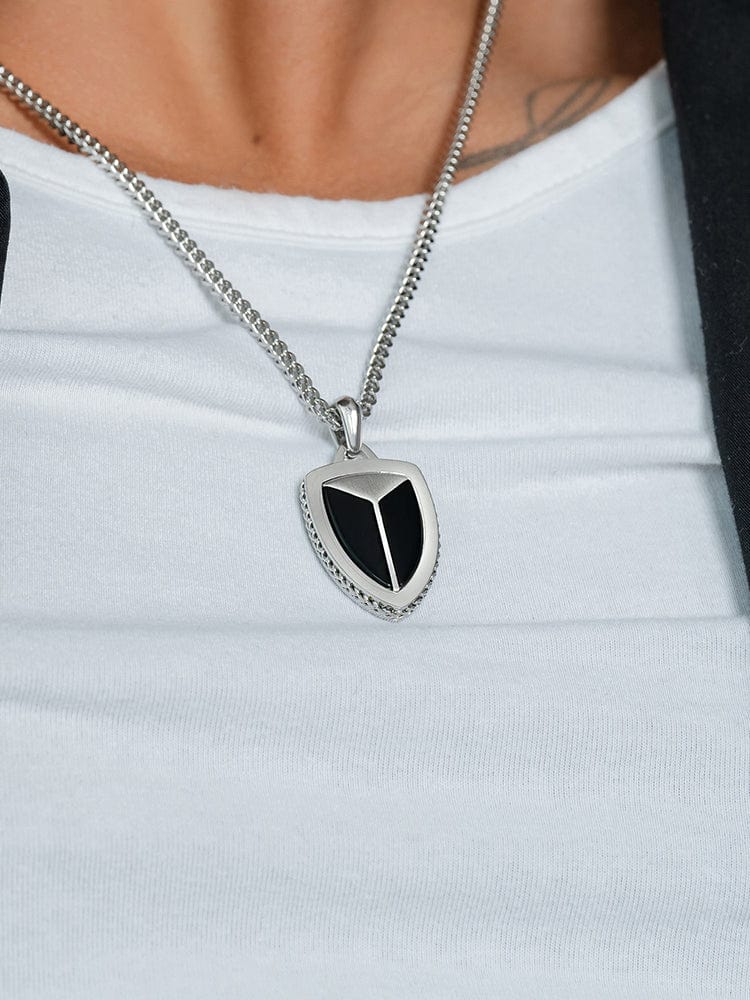
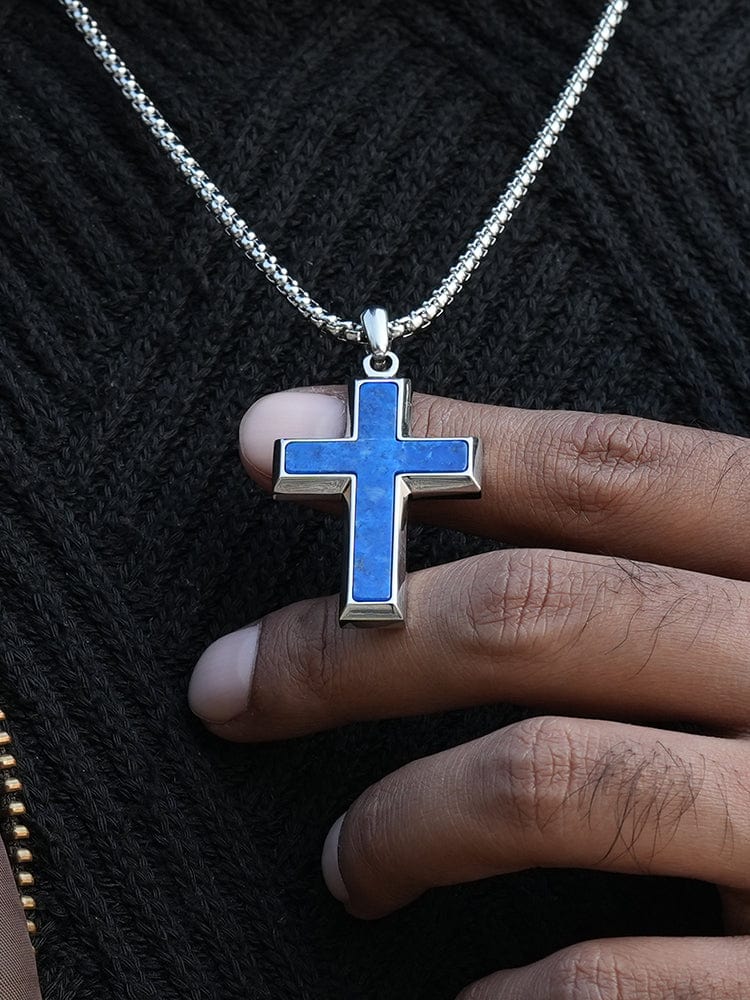
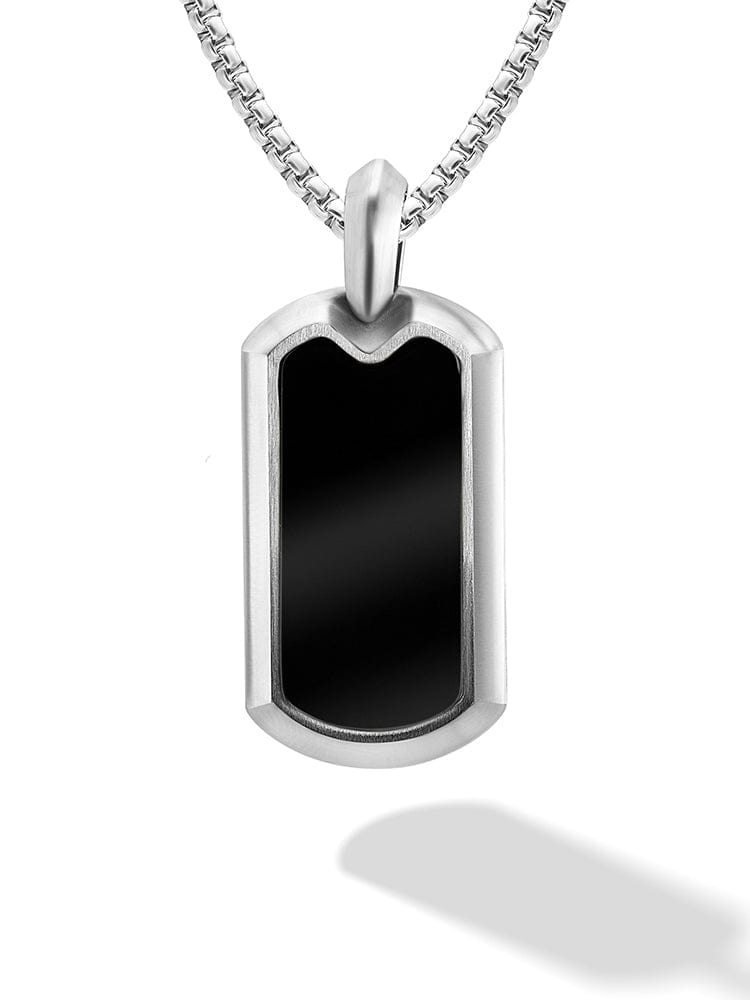
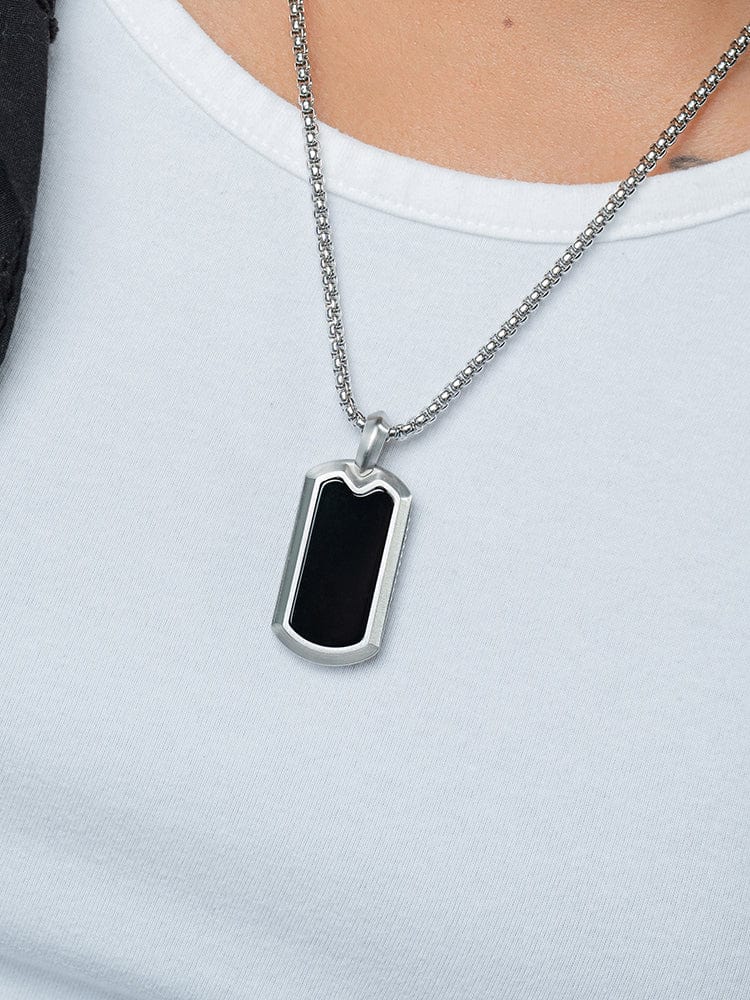
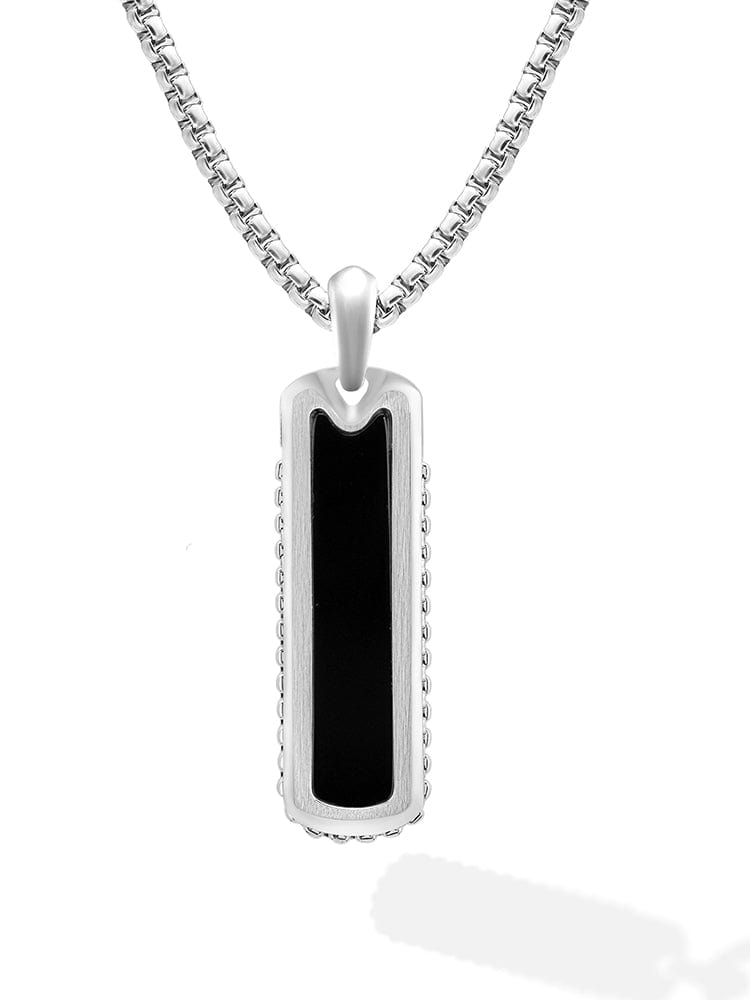
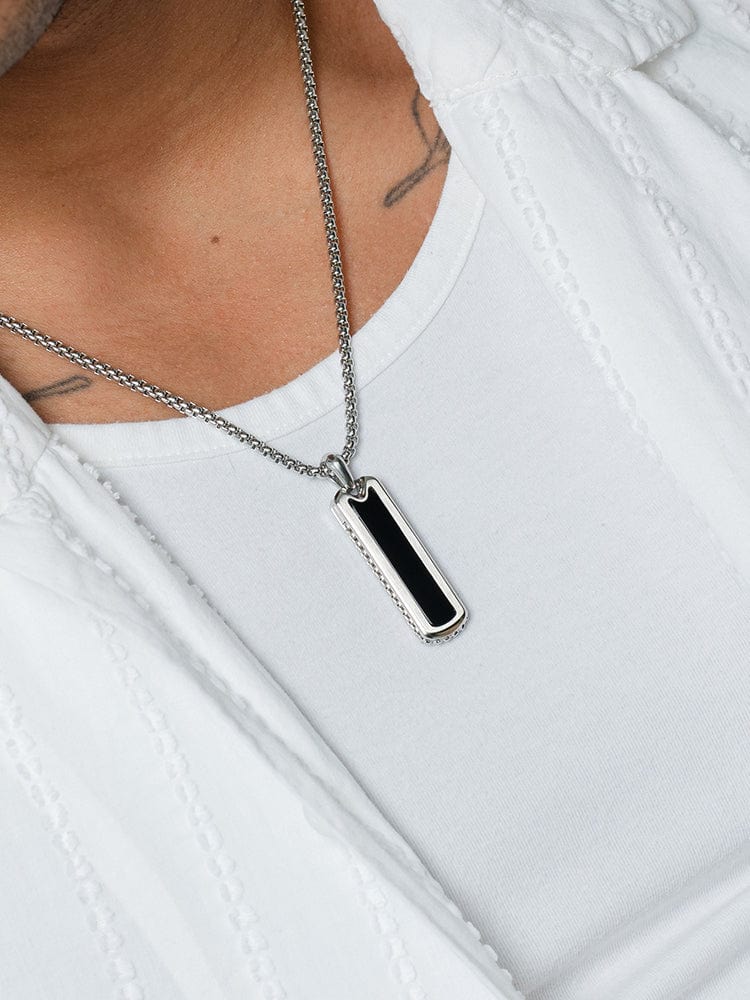
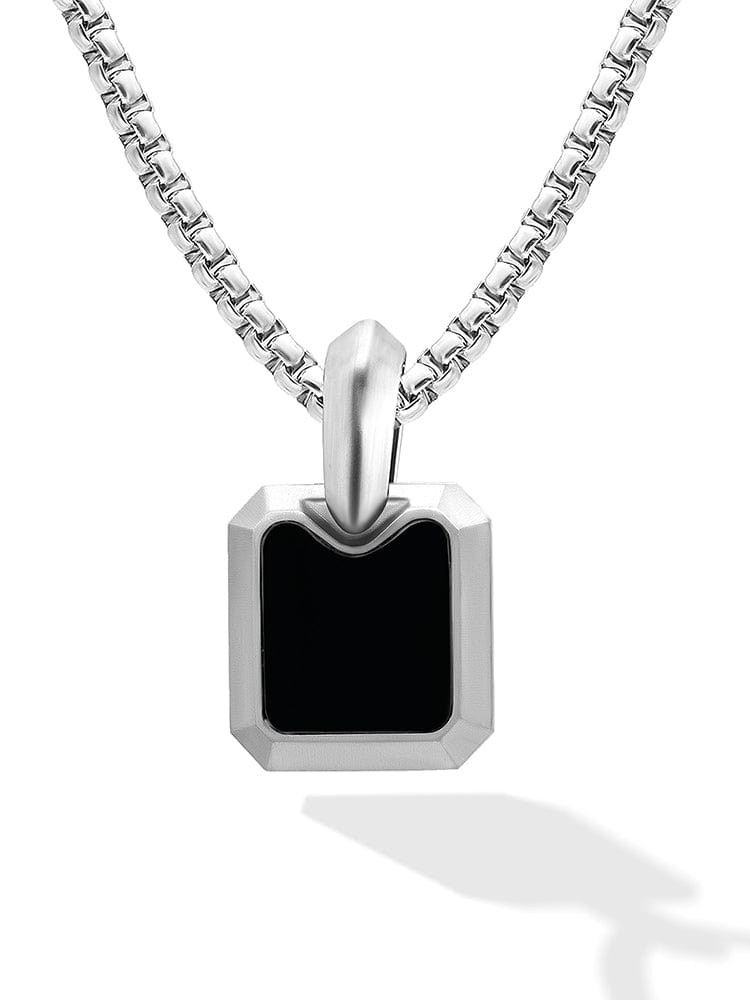
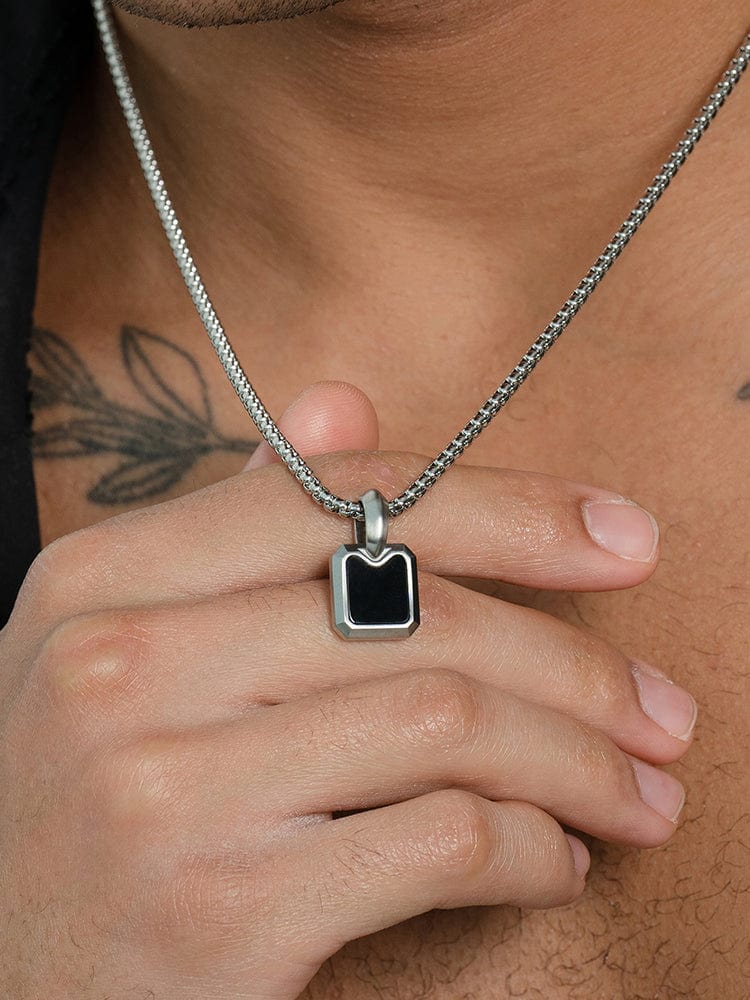
Pendants anchor a layered look. Position your pendant-bearing chain as either the shortest (collarbone layer) or mid layer. Avoid a pendant as the longest chain it reads like the bottom of a hierarchy rather than the focal point. A clean, minimal chain at the longest length completes the stack without competing. If you layer two pendants, make sure they differ in size and shape one geometric, one organic or stone-based.
Gold vs. Silver in a Layered Look
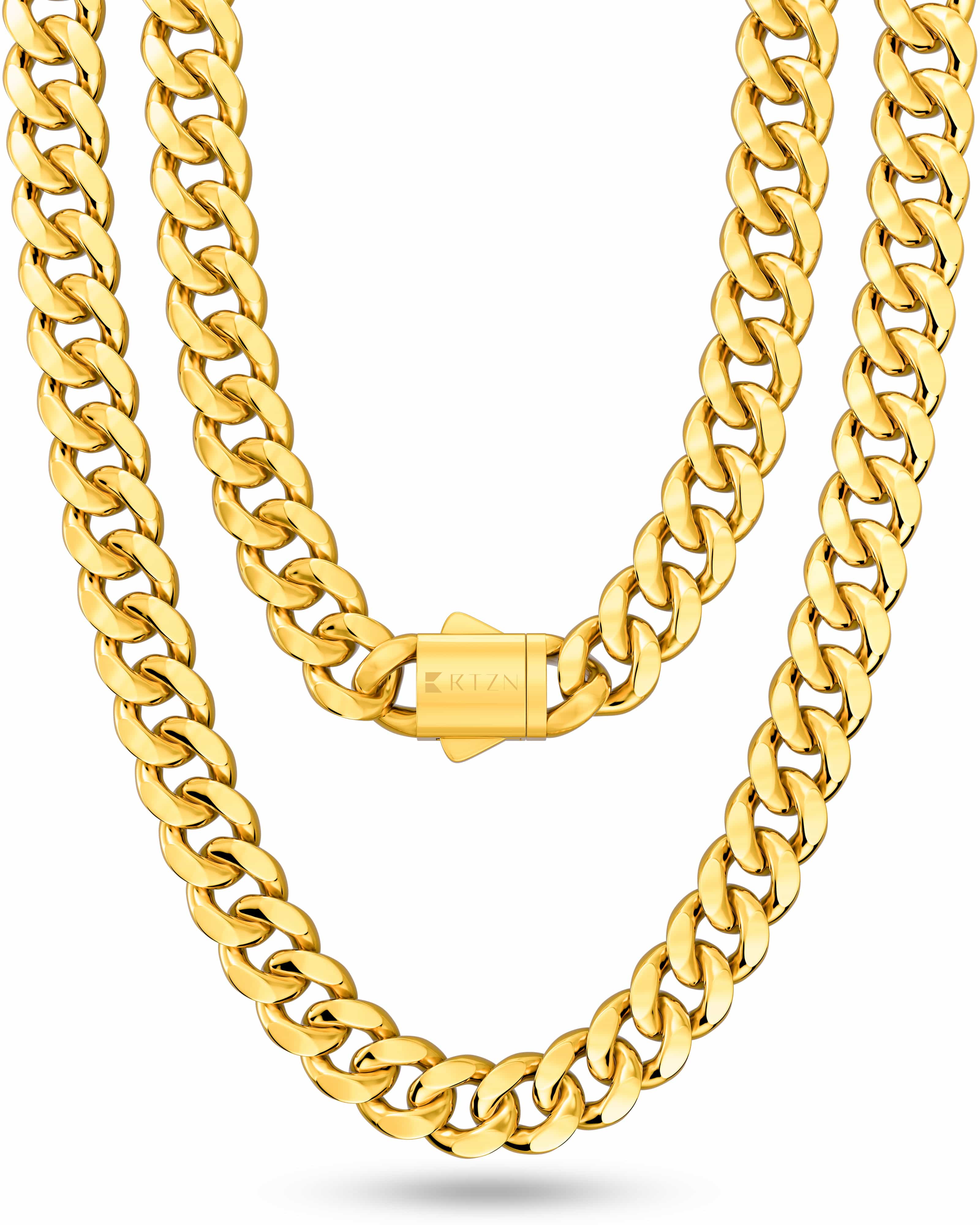
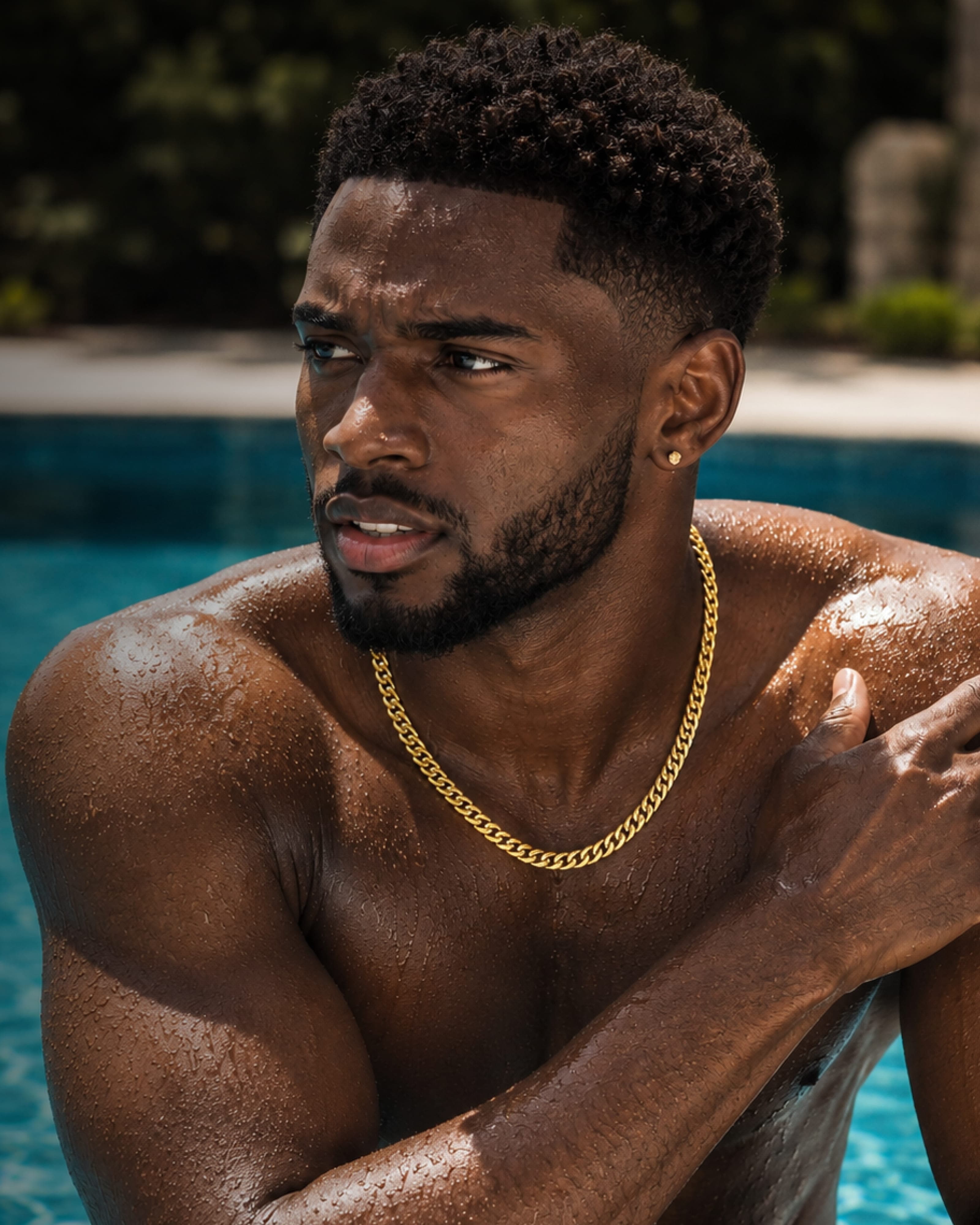
Mixing metals in a layered necklace setup is absolutely fine in 2026 matching every piece to a single metal tone is no longer required. That said, intentional mixing works better than accidental. A gold Cuban link with a silver rope chain reads like a deliberate two-tone choice. Three chains in three different finishes starts to look unplanned.
RTZN Layering Recommendations
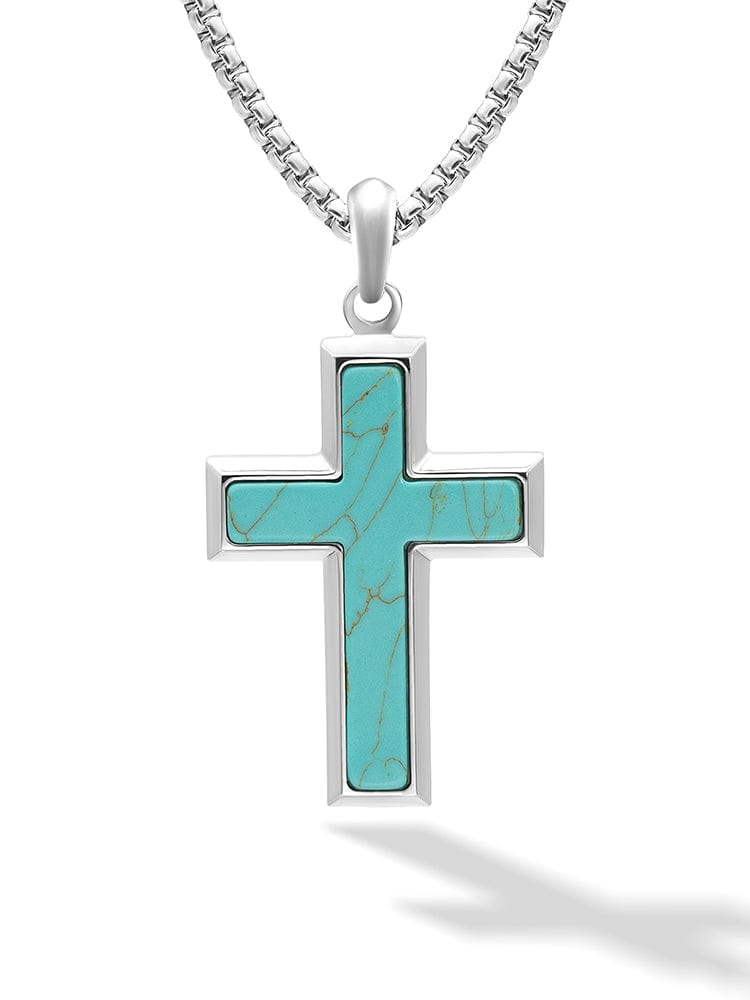
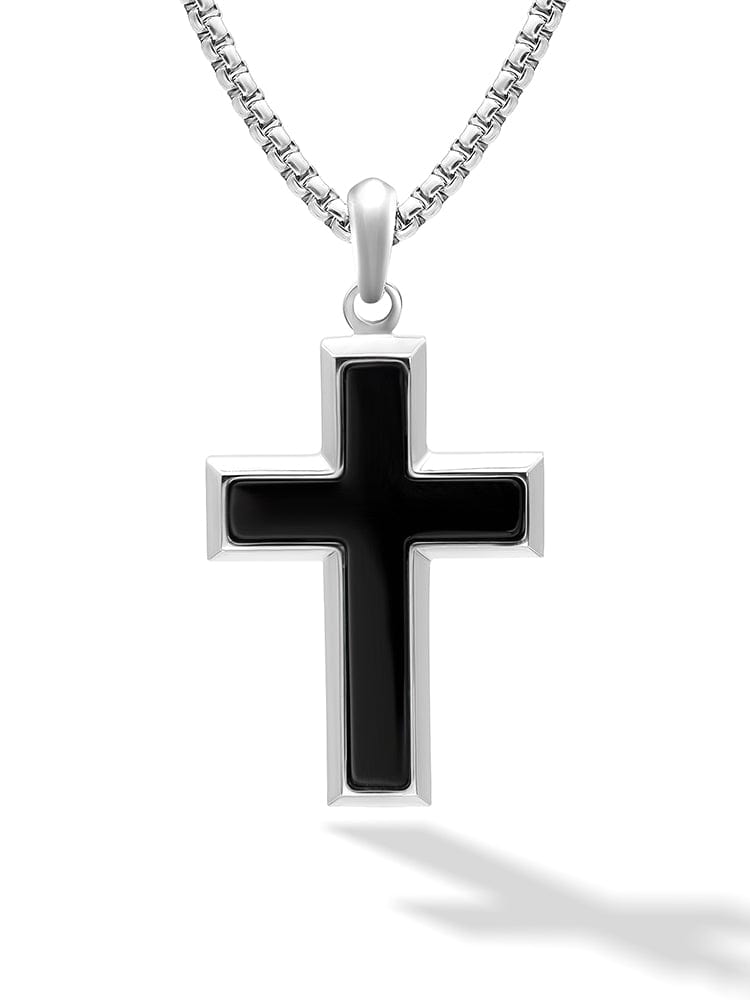
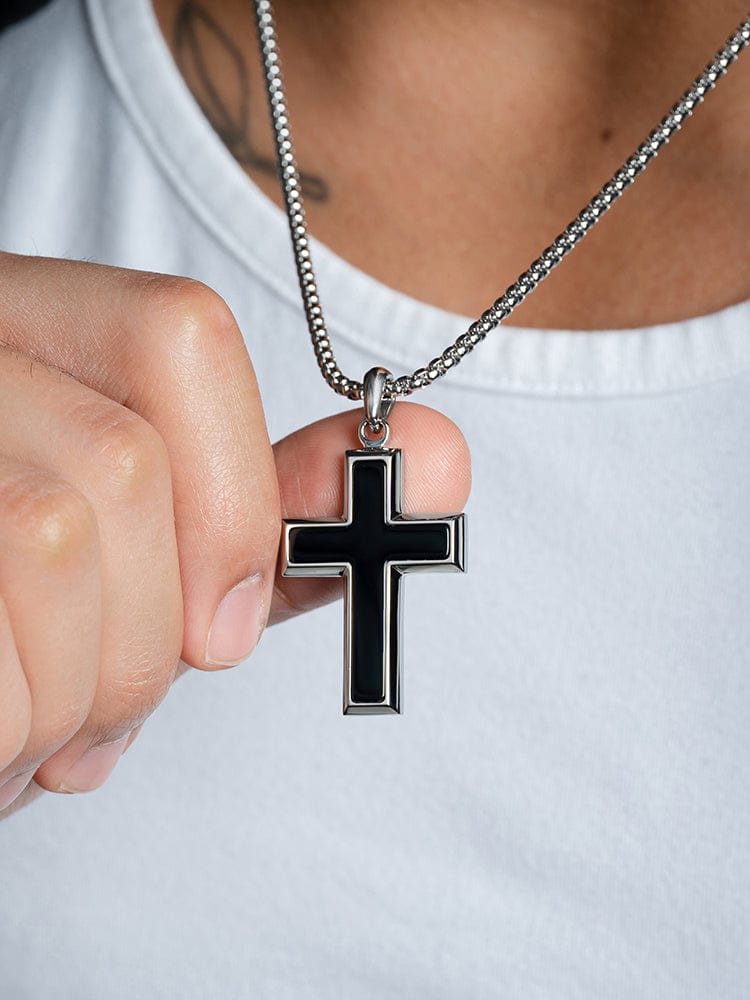
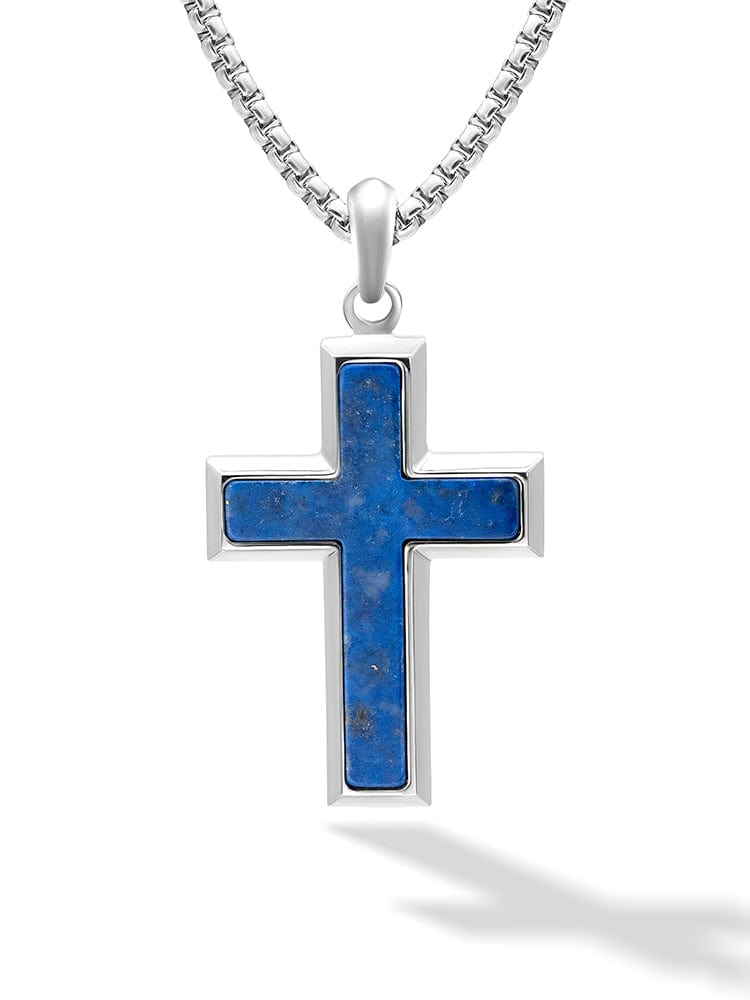
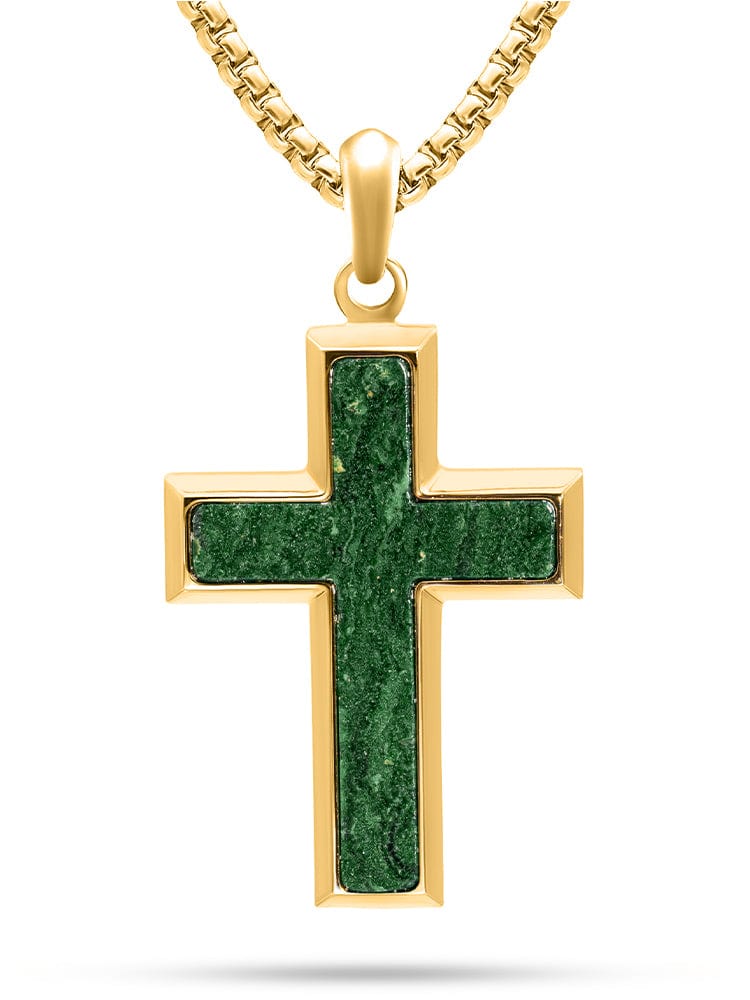
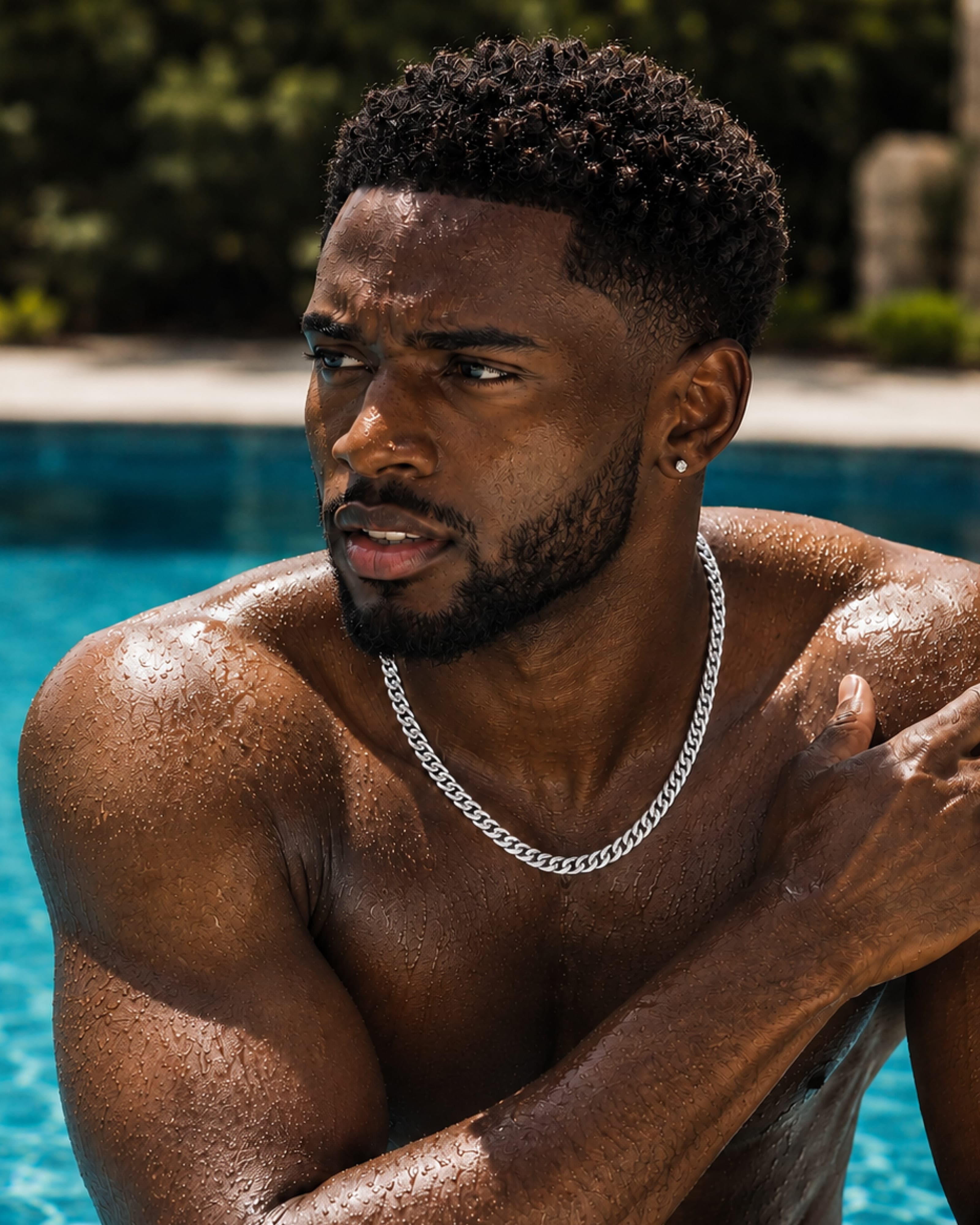
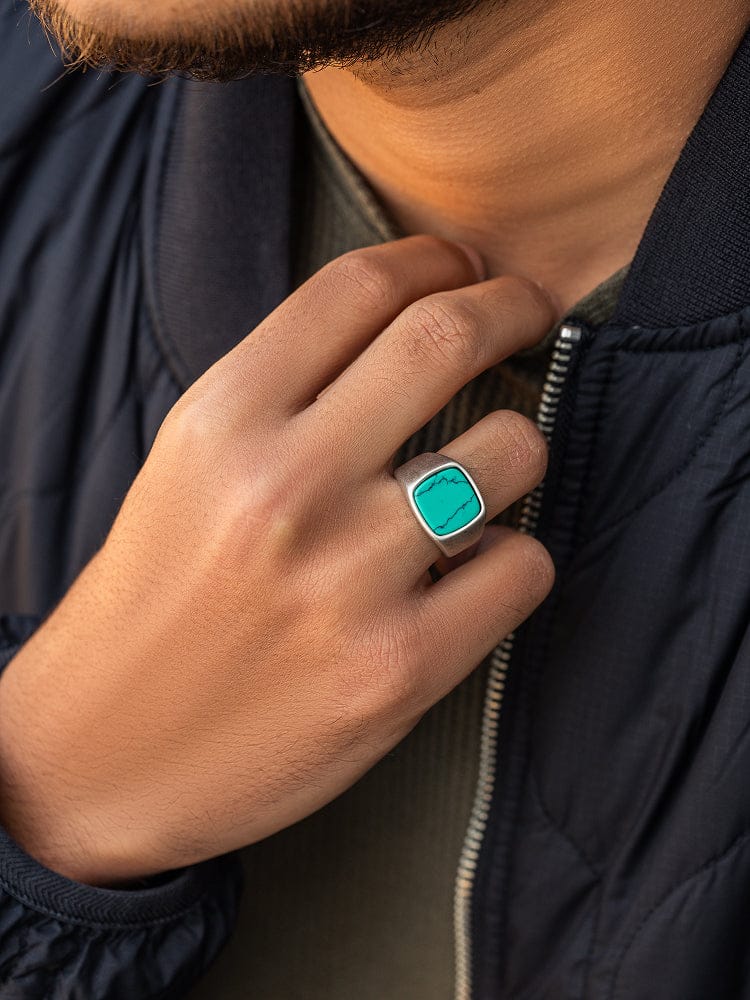
Layer 1 (18"): Cuban Link Chain in silver + Cross Pendant. Layer 2 (22"): Rope Chain in silver. Layer 3 (26"): Arrowhead Pendant on a longer box chain. Or for a warmer palette: Gold Cuban Link at 20" + Lapis Lazuli Shield Pendant at 24".

FAQs
Q: How do you layer necklaces for men without tangling?
Step chain lengths by at least 2–3 inches between each piece, use different chain link styles (rope, Cuban, box), and choose chains of slightly different weights. Heavier chains settle lower naturally.
Q: How many necklaces can a man layer?
Two or three is the practical maximum for most men. Three chains at clearly stepped lengths creates a full layered look without appearing chaotic. Four or more is difficult to manage without tangling.
Q: Can men mix gold and silver necklaces when layering?
Yes mixed metals are widely accepted in 2026 styling. Limit your mixed-metal palette to two tones (gold and silver) rather than three for a more intentional appearance.
Q: What chain lengths should I use to layer necklaces?
A classic three-layer setup uses 18", 22", and 26" chains. This creates clear visual separation at the collarbone, mid-chest, and lower chest.
Q: Should I wear a pendant in a layered necklace setup?
Yes. A pendant as the mid or upper layer creates a visual anchor for the stack. Use a clean, pendant-free chain as the longest layer so it completes the look without competing.