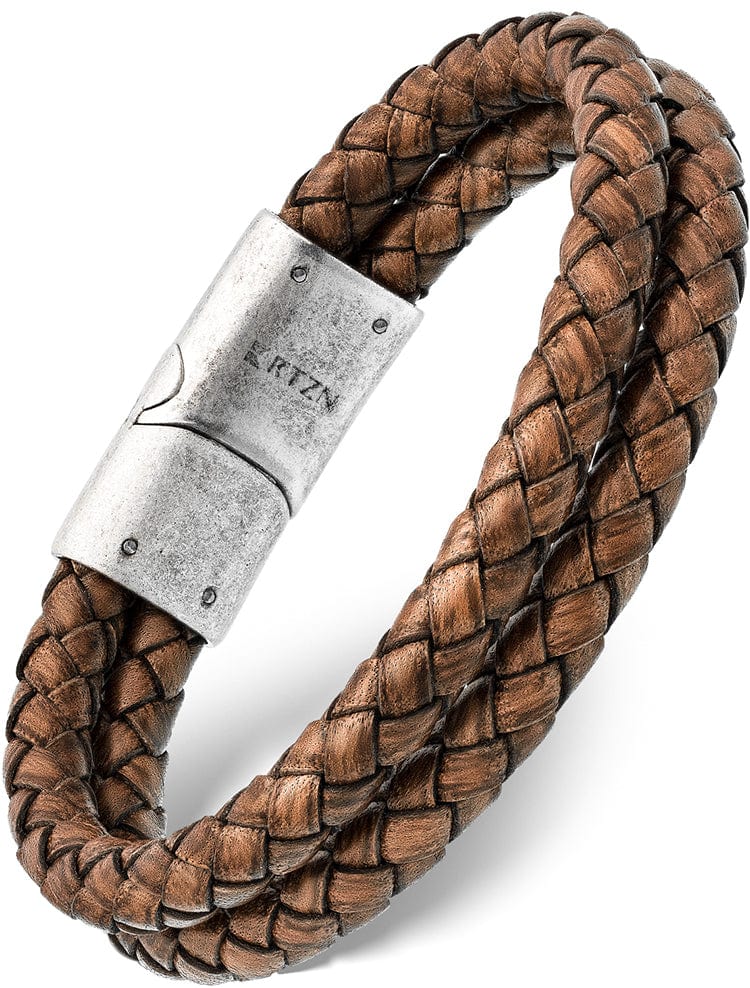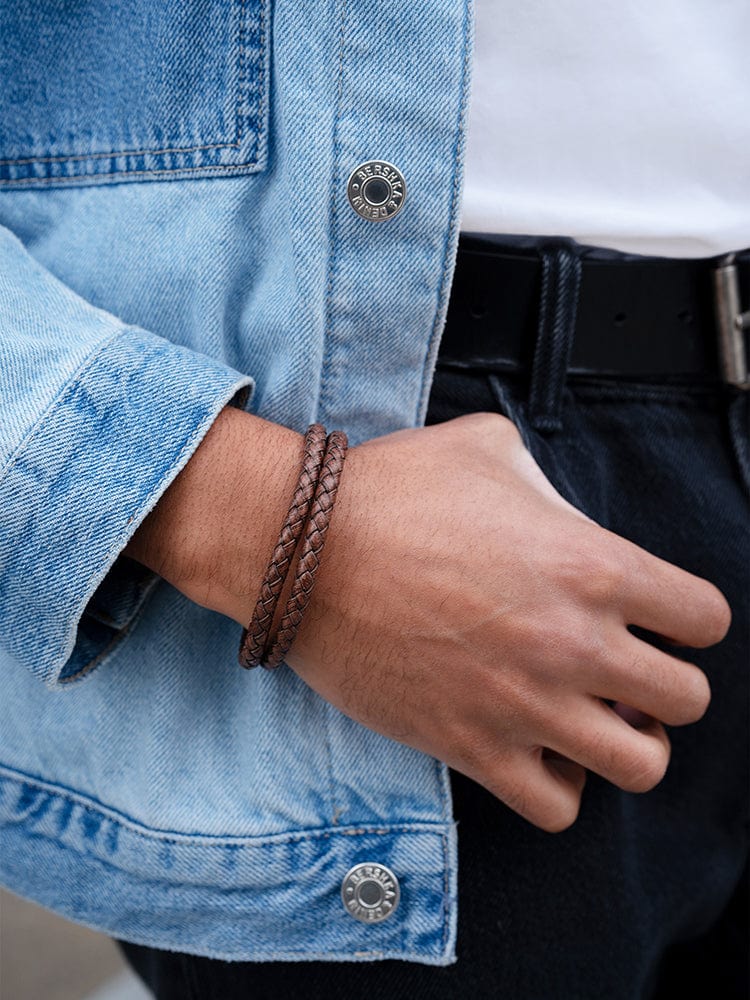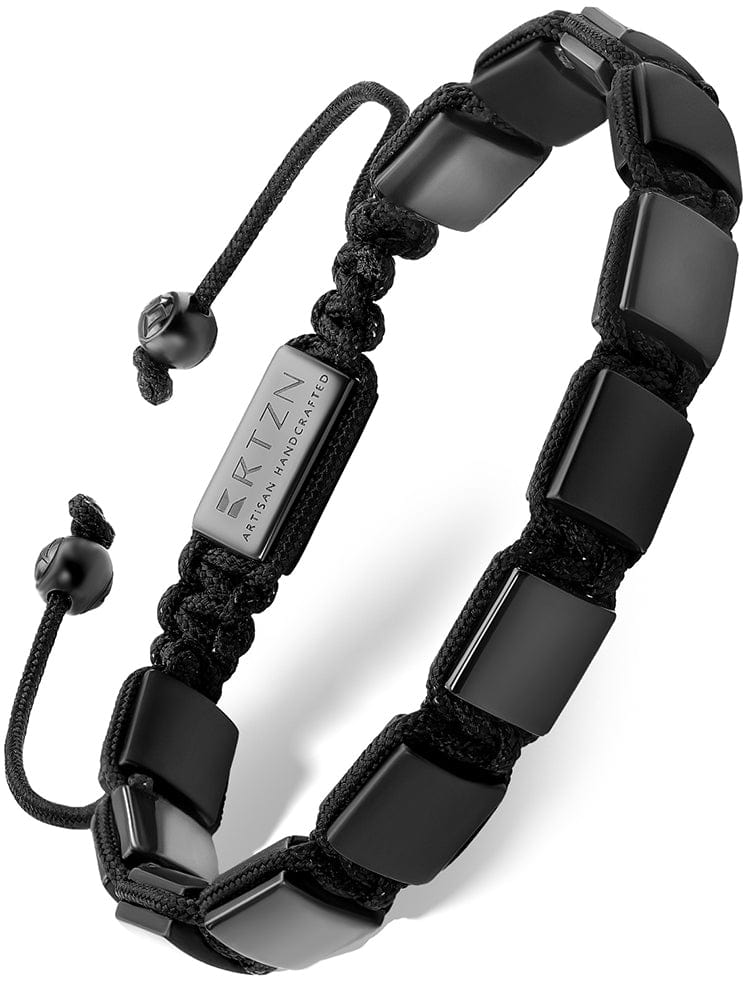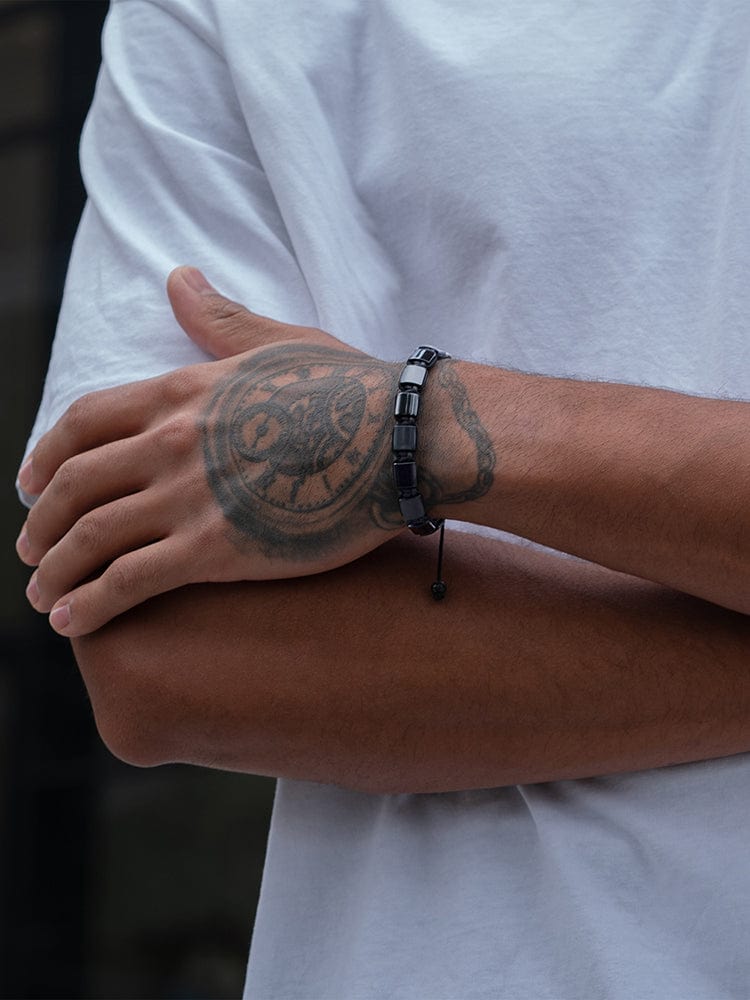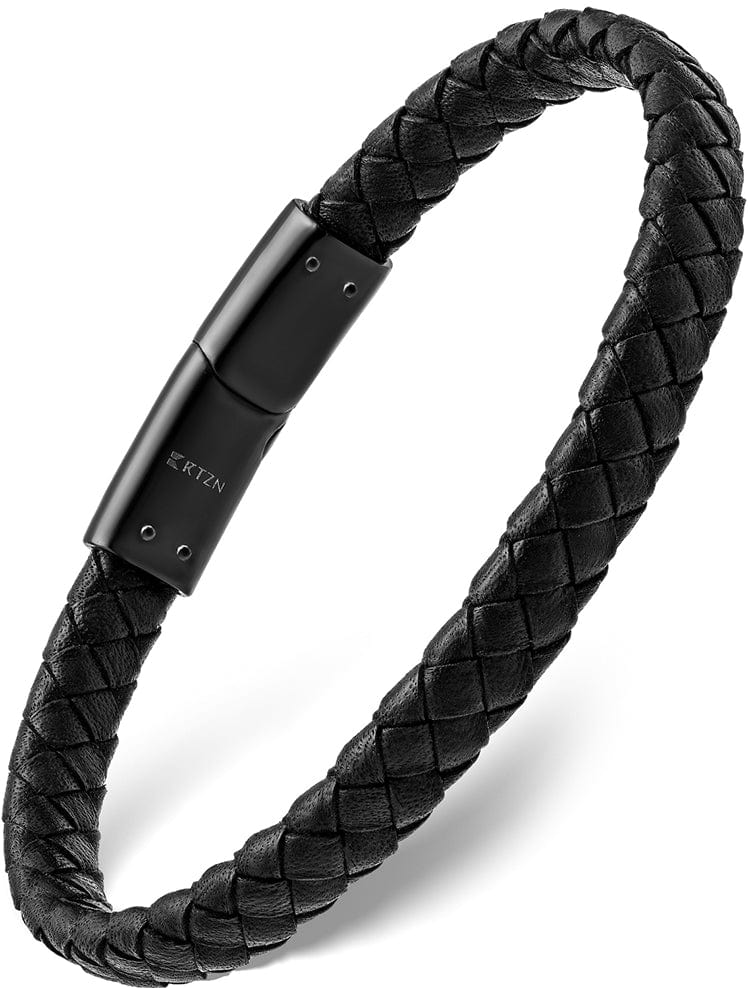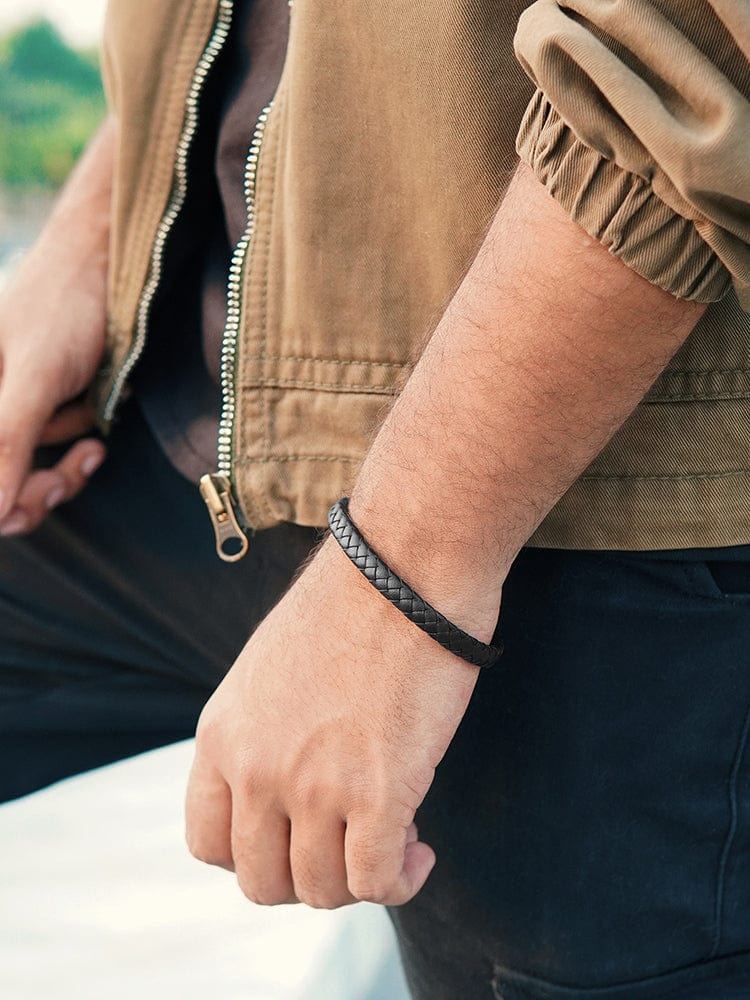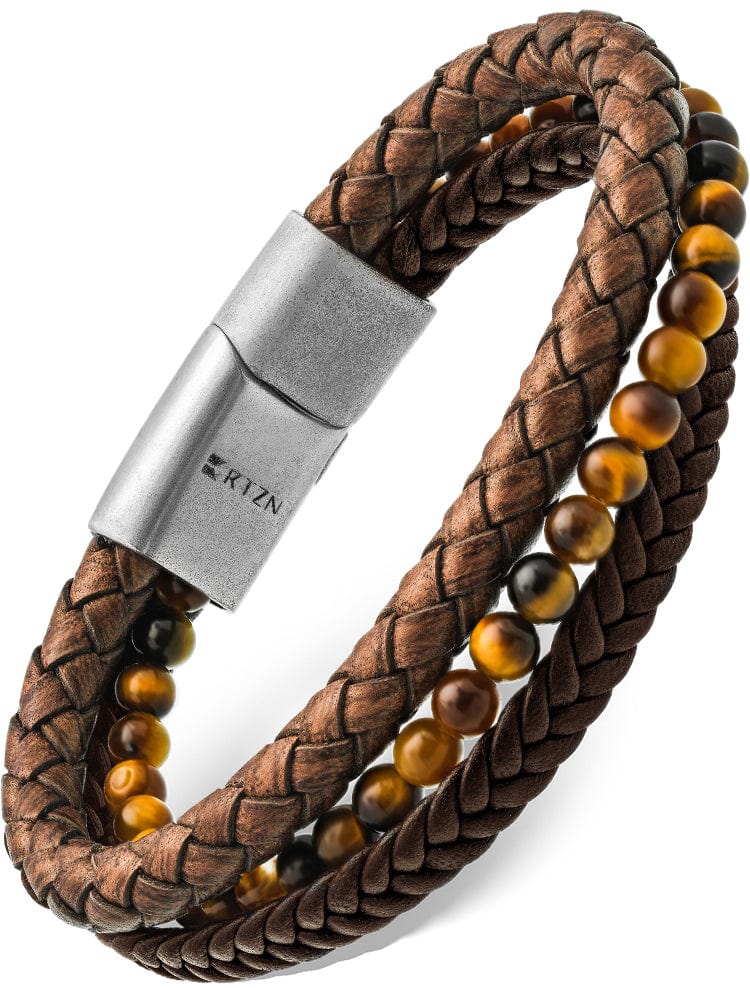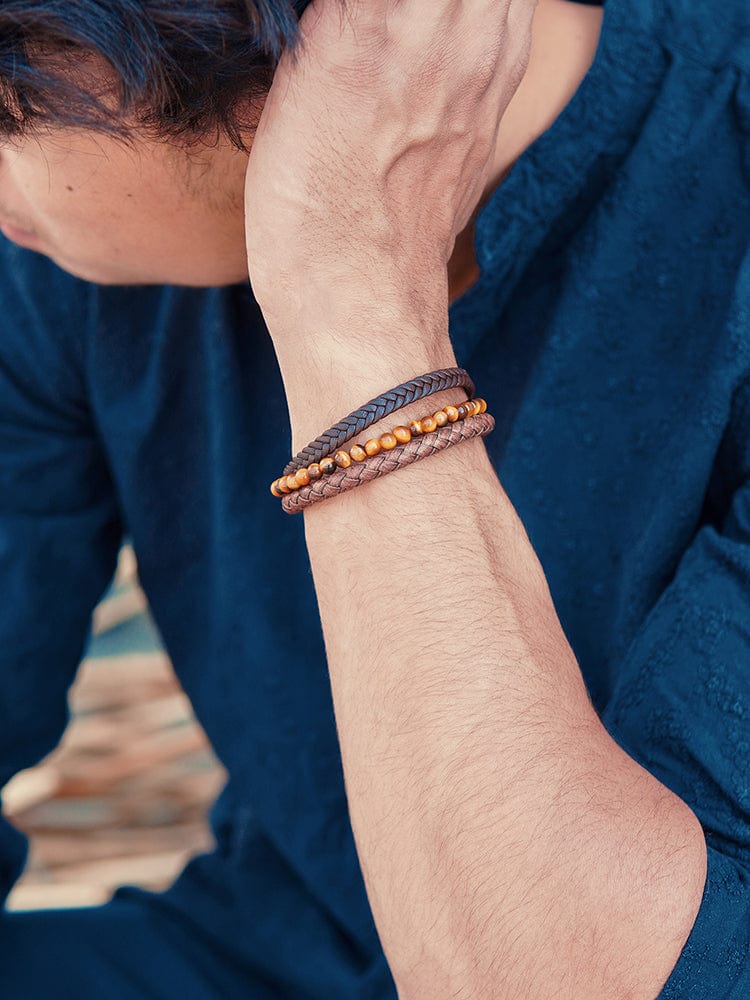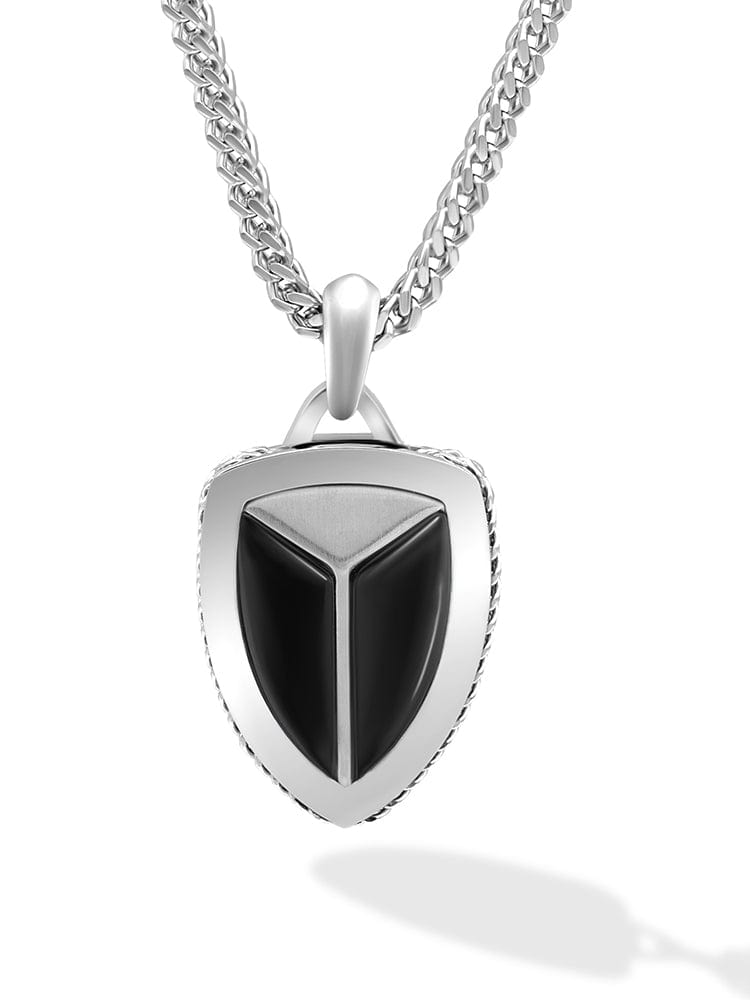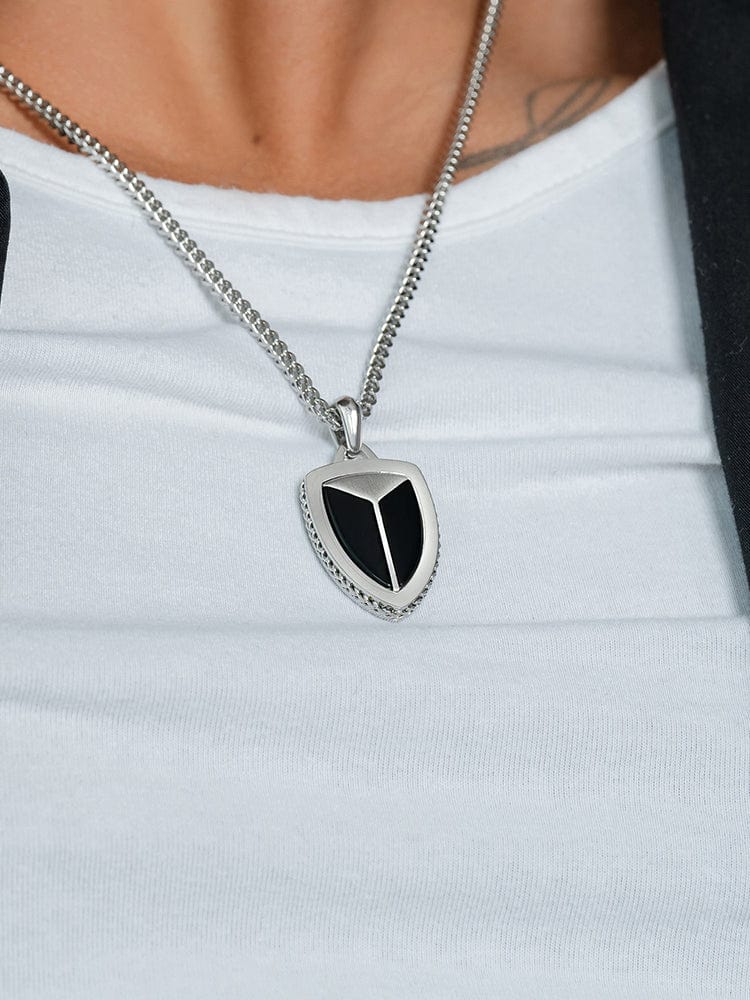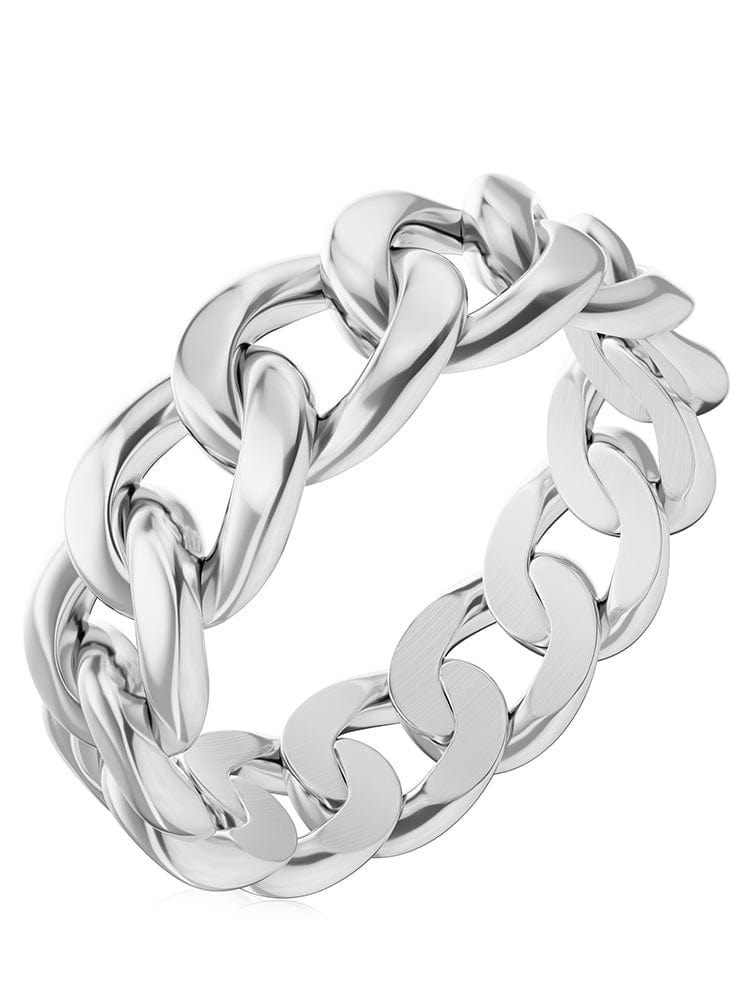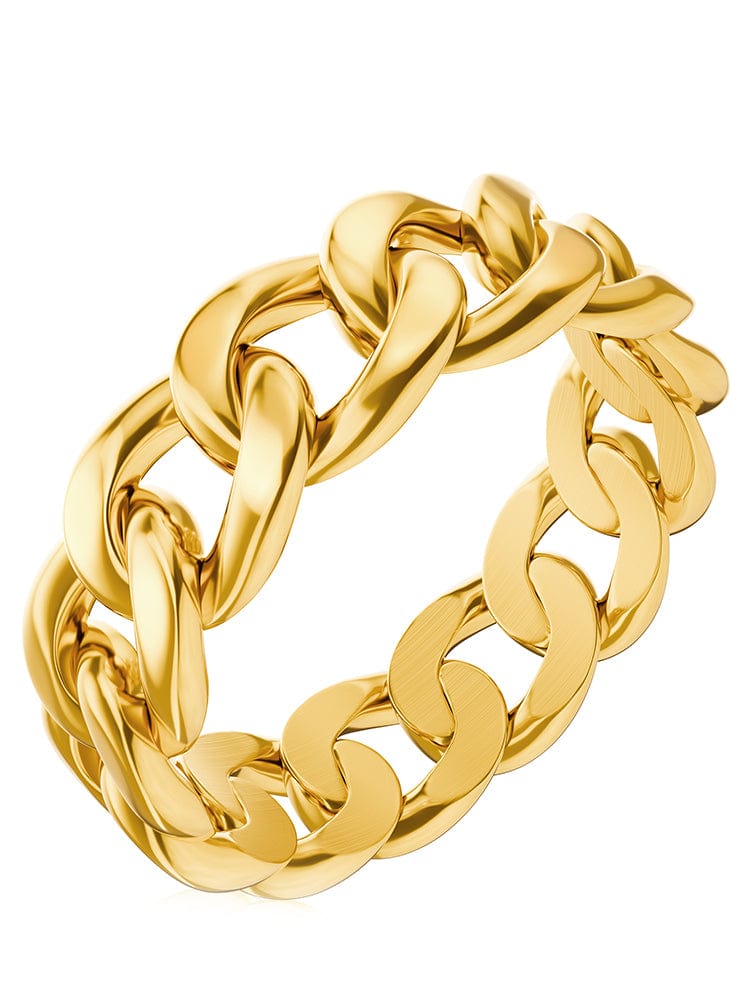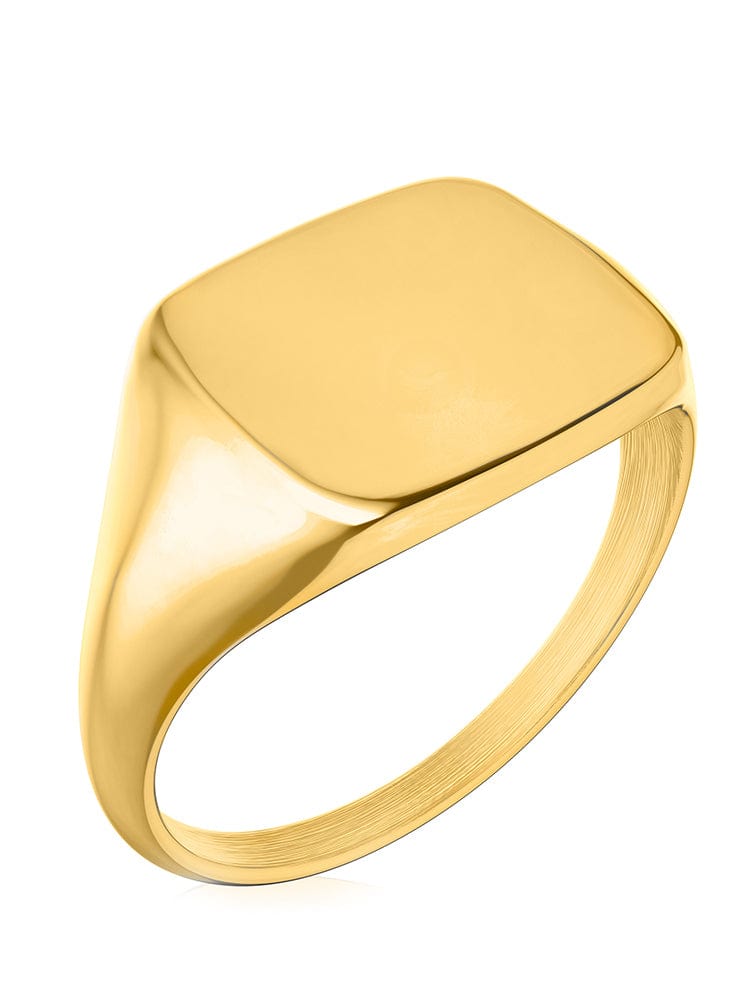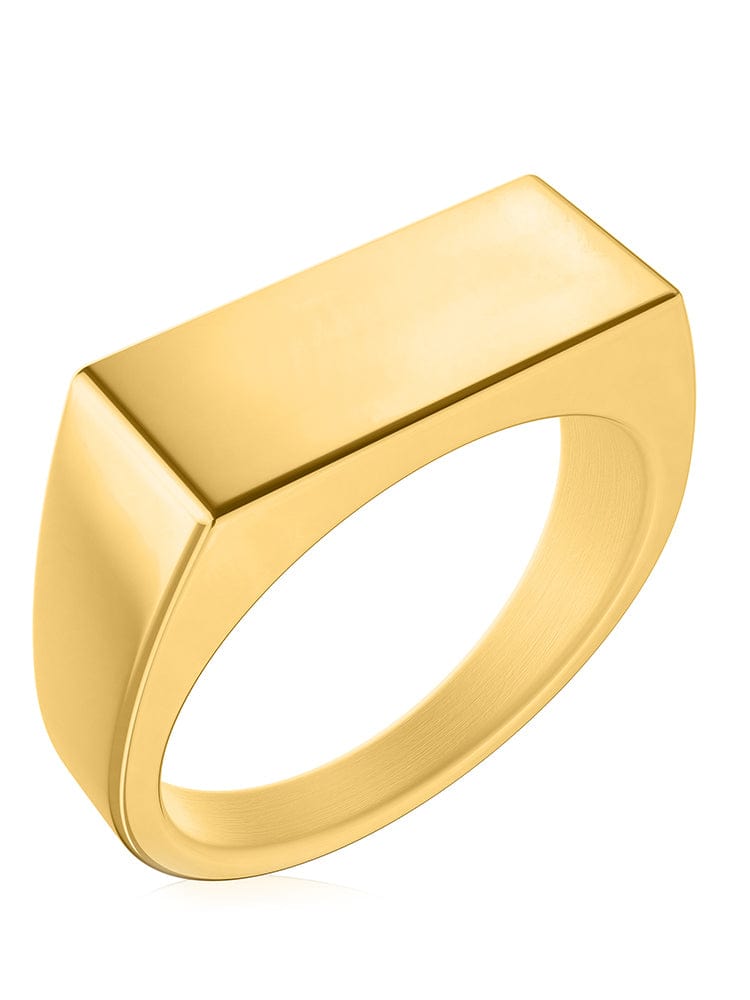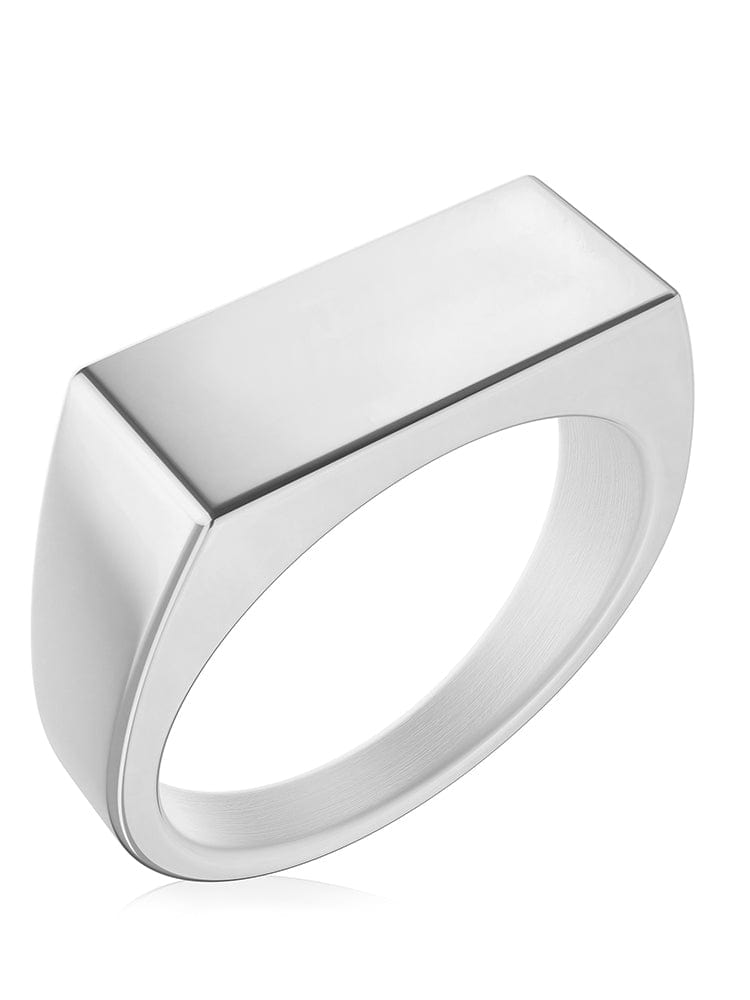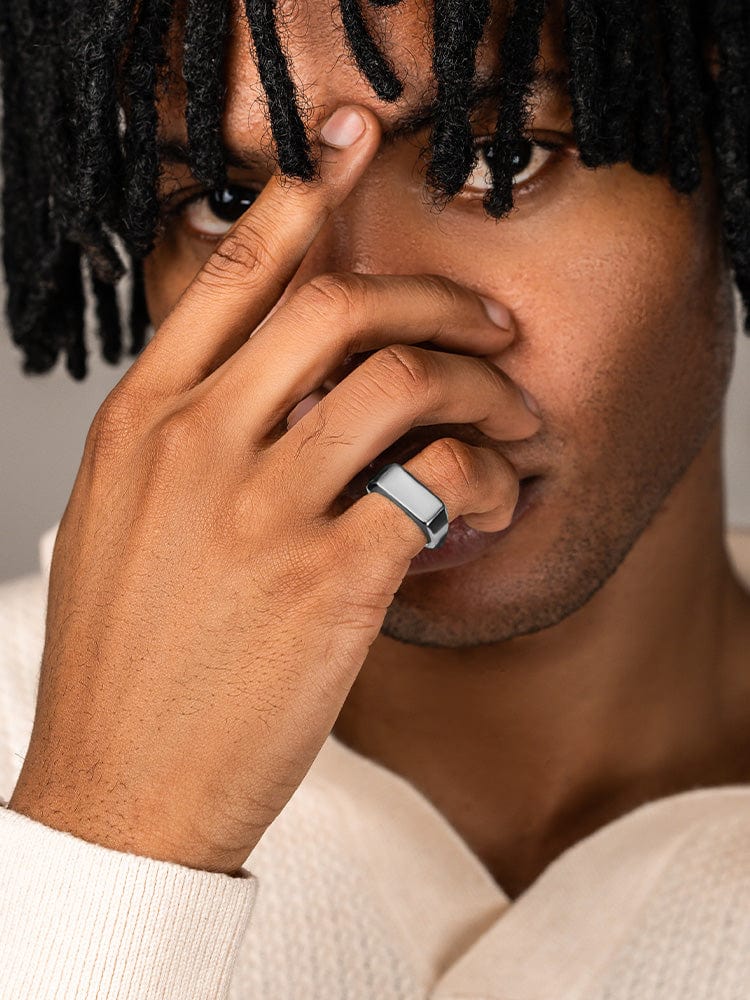
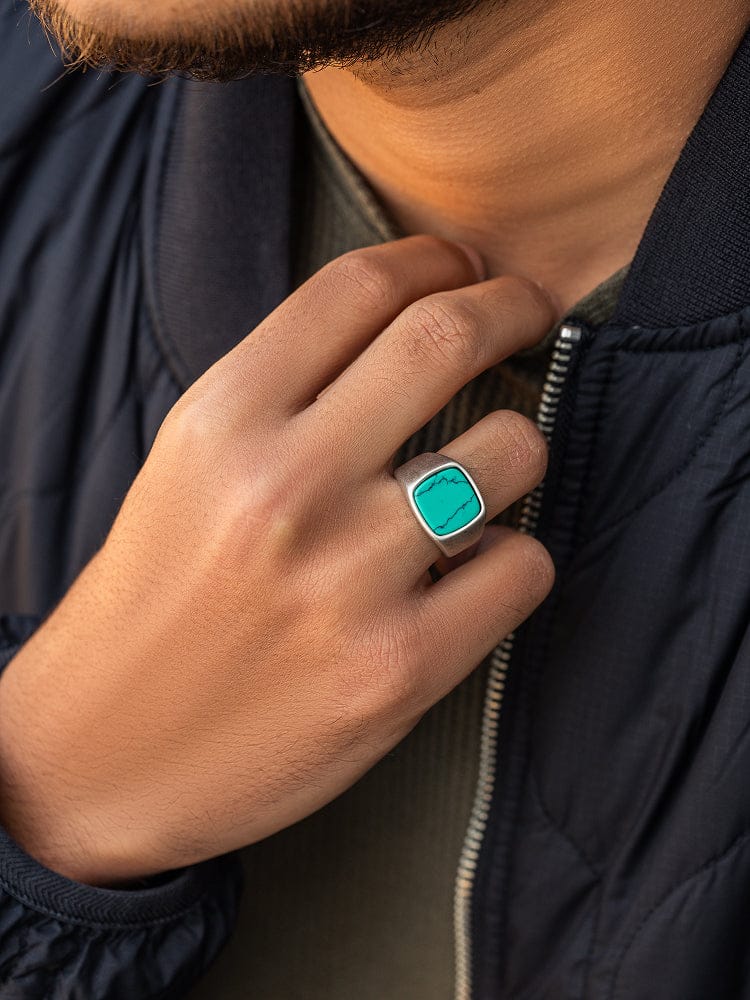
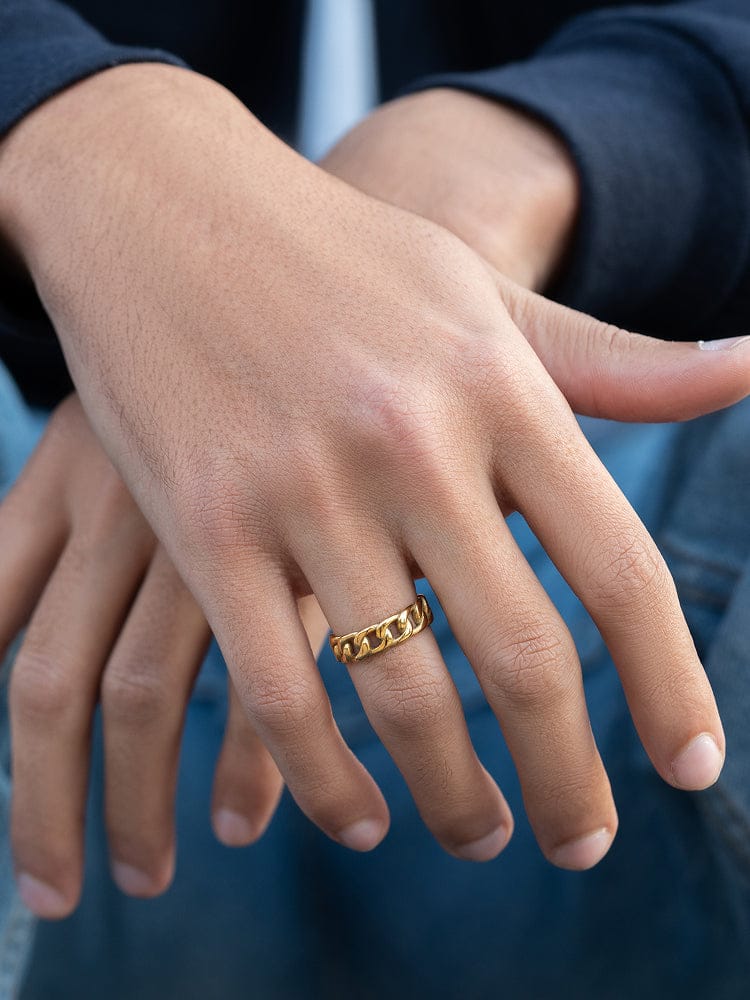
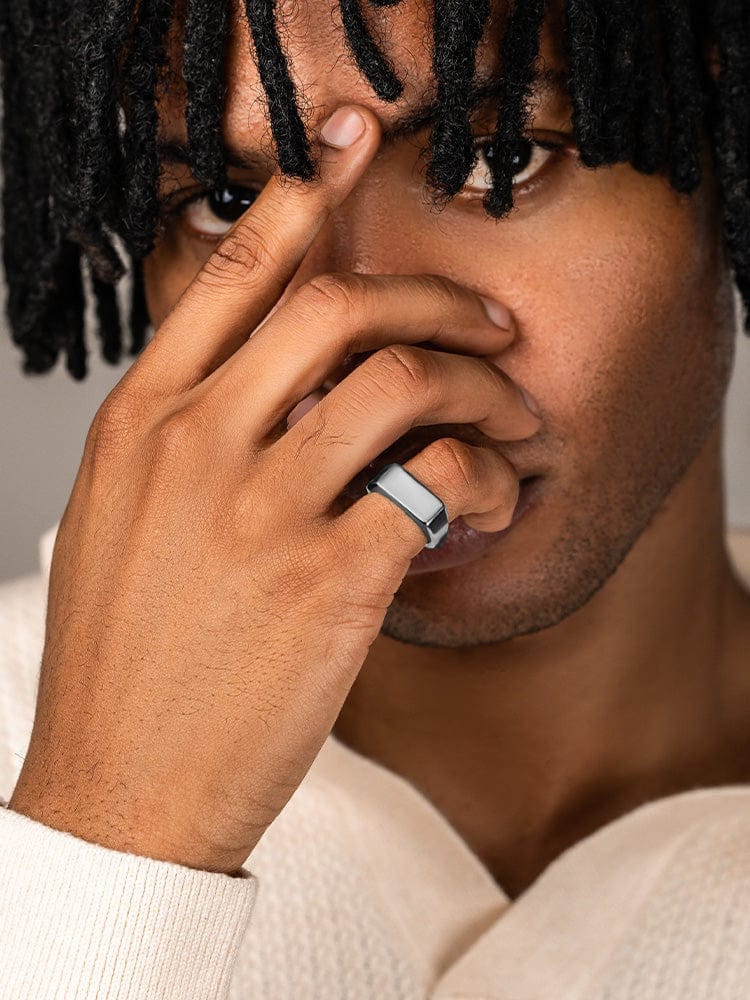

The signet ring is one of the oldest pieces of jewelry in human history. Egyptians used them to mark documents. Romans used them to seal letters with wax. Medieval nobles passed them down through generations. And in 2026, they're firmly established as one of the most compelling pieces in modern men's jewelry accessible, personal, and loaded with a sense of history.


Which Finger Does a Signet Ring Go On?
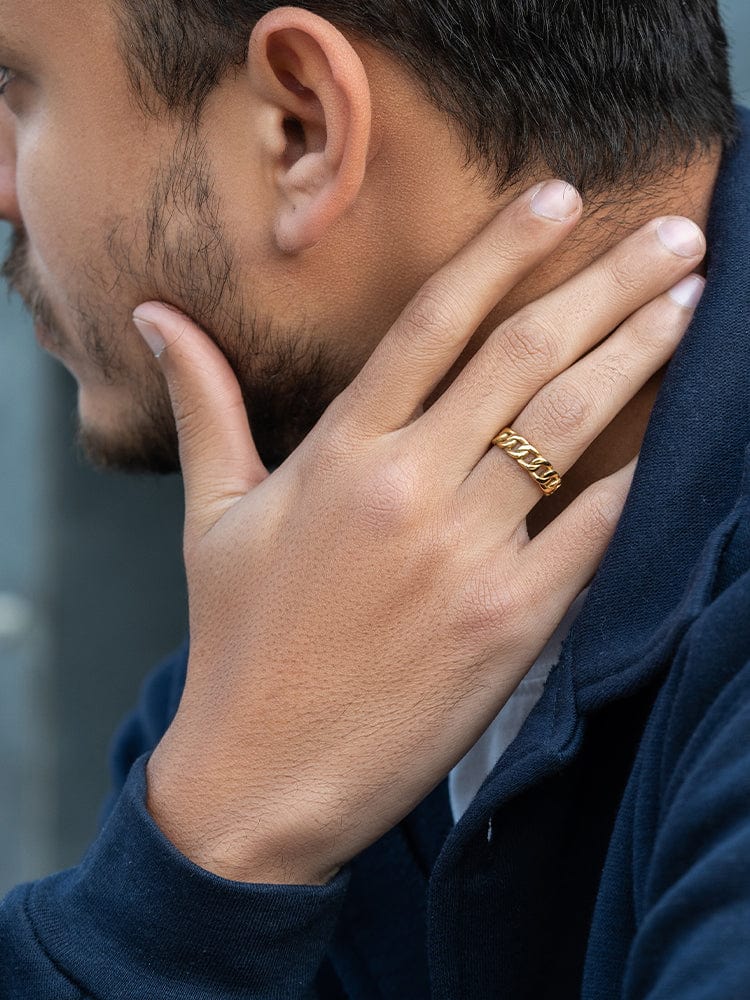
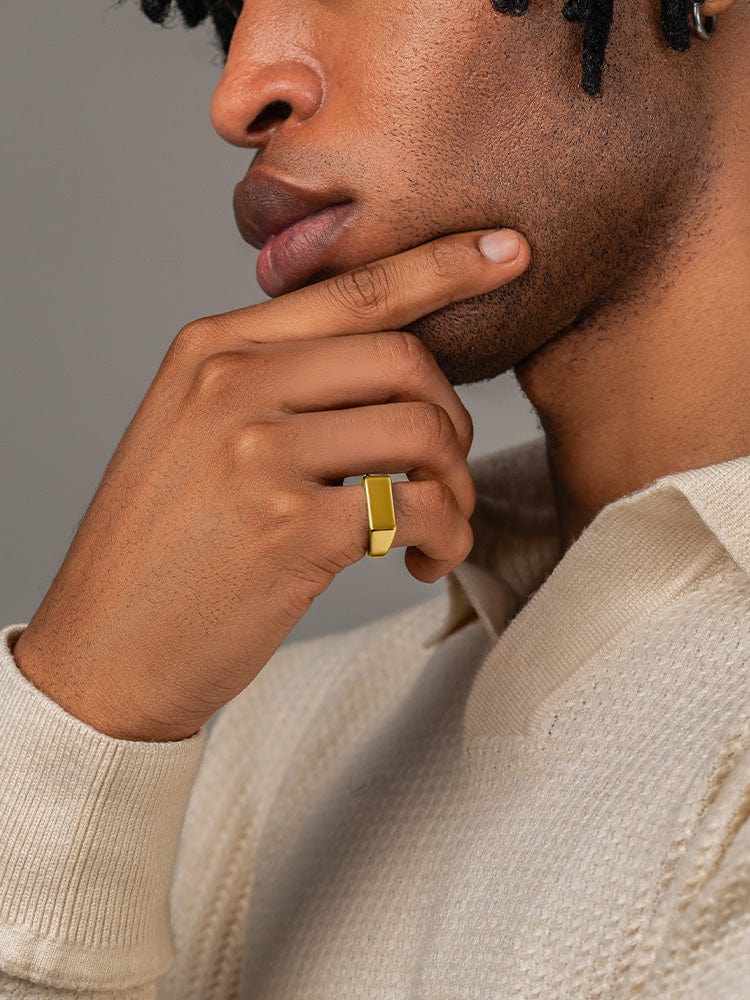
Traditionally, signet rings are worn on the little finger (pinky) of the non-dominant hand. This dates back to the practical reason for signet rings you needed quick access to press the seal without removing a glove or fumbling. In British aristocratic tradition, the pinky is still the correct placement. However, modern wear has expanded the ring finger, middle finger, and index finger of either hand are all acceptable depending on personal preference.
Rule of thumb: wear it where it looks proportional. A large, flat signet ring often looks best on the index or middle finger. Slim bands look elegant on the pinky.

Signet Ring Styles: Polished, Oxidized & Stone
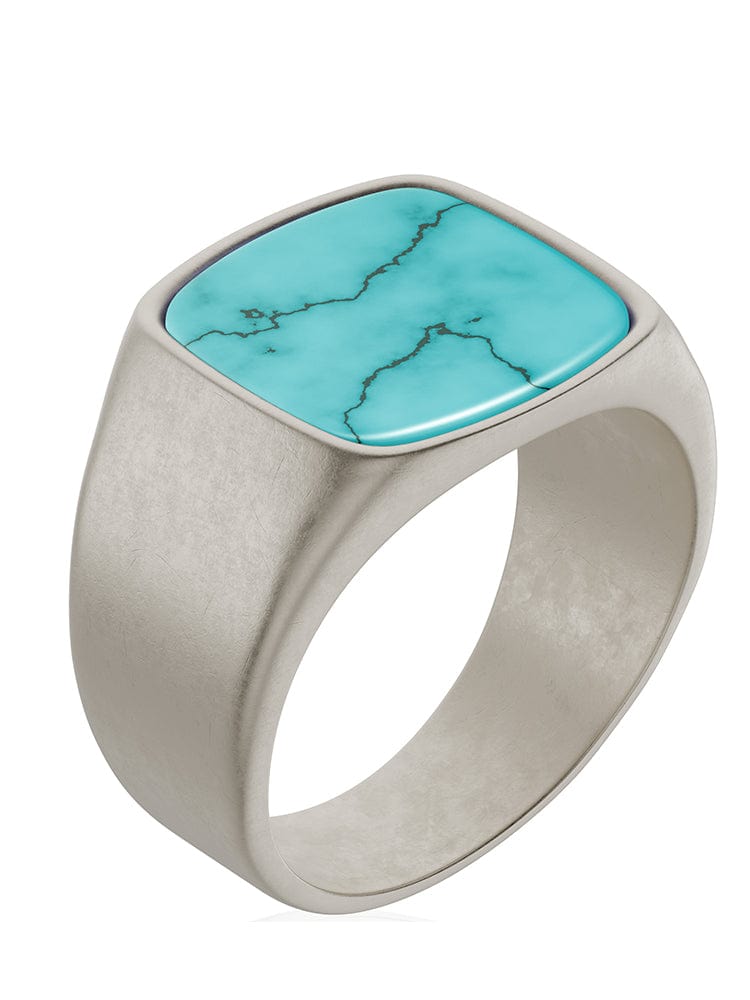
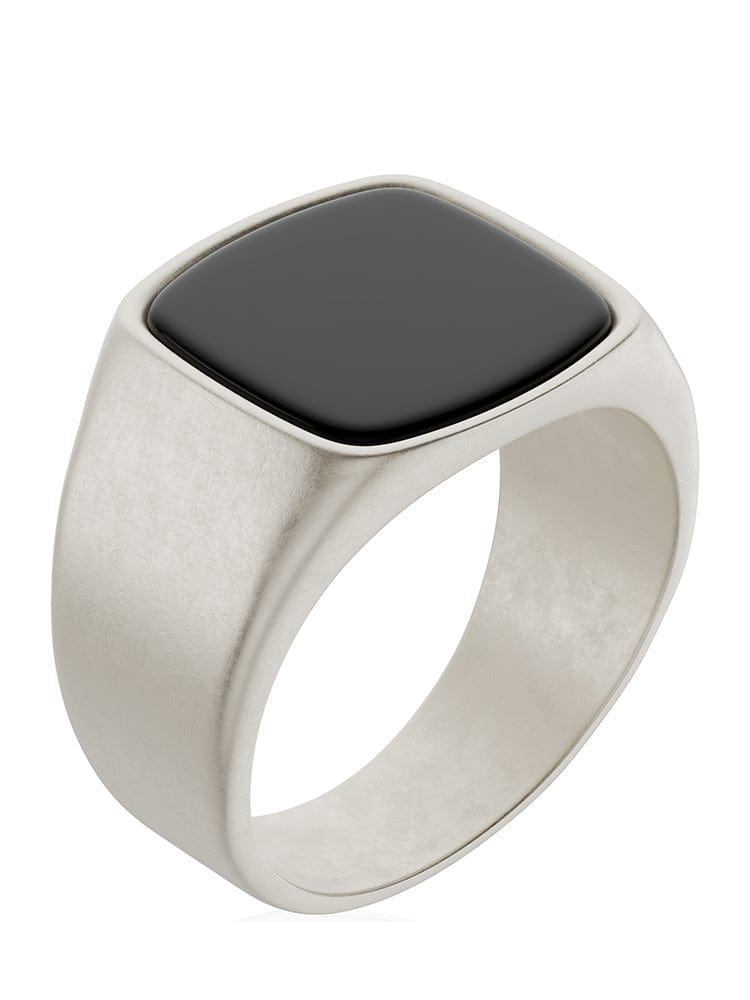
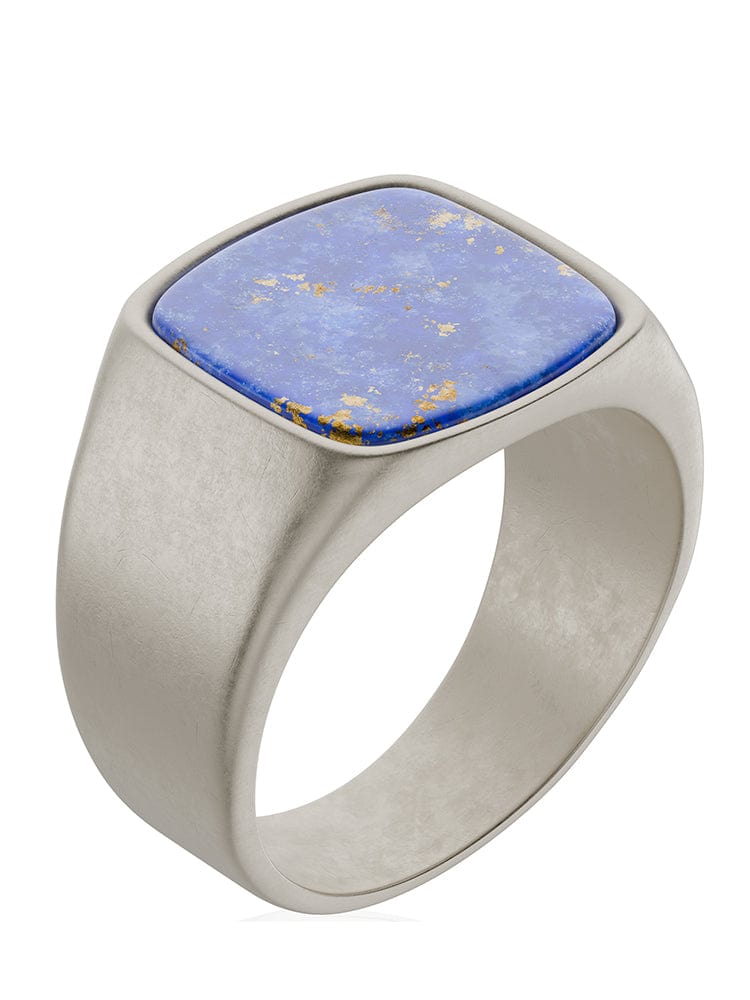
In 2026, signet ring options span a wide range. Polished stainless steel signet rings offer a clean, high-shine aesthetic that reads elevated and modern. Oxidized or brushed finishes have a darker, more rugged quality closer to the aesthetic of vintage or heritage jewelry. Stone cushion rings (with a flat stone face instead of an engraved metal face) bridge the gap between traditional signet design and natural material.
How to Style a Signet Ring
A signet ring works in almost any context the key is wearing it with intention. On the pinky, it reads classic and controlled. On the index finger, it reads bold and forward. Paired with other rings, keep it to one or two pieces maximum a signet ring competes for attention when combined with multiple bands. Pair it with a bracelet stack on the same hand for a layered look, or keep the wrist clear and let the ring be the focal point.
RTZN Signet Collection
RTZN's signet ring collection spans several finishes: Cuban Link signet in silver and gold, oxidized round, rectangle, and square face variants, polished gold round, rectangle, and square, and stone cushion rings in lapis lazuli. Each is made in 316L stainless steel — the same grade used in surgical instruments. No tarnish, no plating to wear off, lifetime durability.

FAQs
Q: What finger should a man wear a signet ring on?
Traditionally, signet rings are worn on the pinky (little) finger of the non-dominant hand. Modern convention is more flexible the index and middle fingers are also popular placements depending on the ring size and personal preference.
Q: Are signet rings in style for men in 2026?
Yes. Signet rings have been one of the most consistent men's jewelry trends of the last several years and remain strong in 2026. Clean geometric faces, stone cushion variants, and oxidized finishes are all particularly popular.
Q: Can men wear signet rings on multiple fingers?
It's possible, but wear rings intentionally rather than decoratively. One statement signet ring per hand is the safe approach. Two rings on the same hand should complement each other in material and scale.
Q: What is the difference between a signet ring and a regular ring?
A signet ring has a flat face (table) designed traditionally for engraving a seal, monogram, or insignia. Modern signet rings may have polished metal, stone, or engraved faces the defining feature is the flat platform.
Q: What metal is best for a men's signet ring?
316L stainless steel is one of the best options for everyday wear it won't tarnish, doesn't require rhodium plating, and is hypoallergenic. Gold-plated and sterling silver are classic choices but require more maintenance.