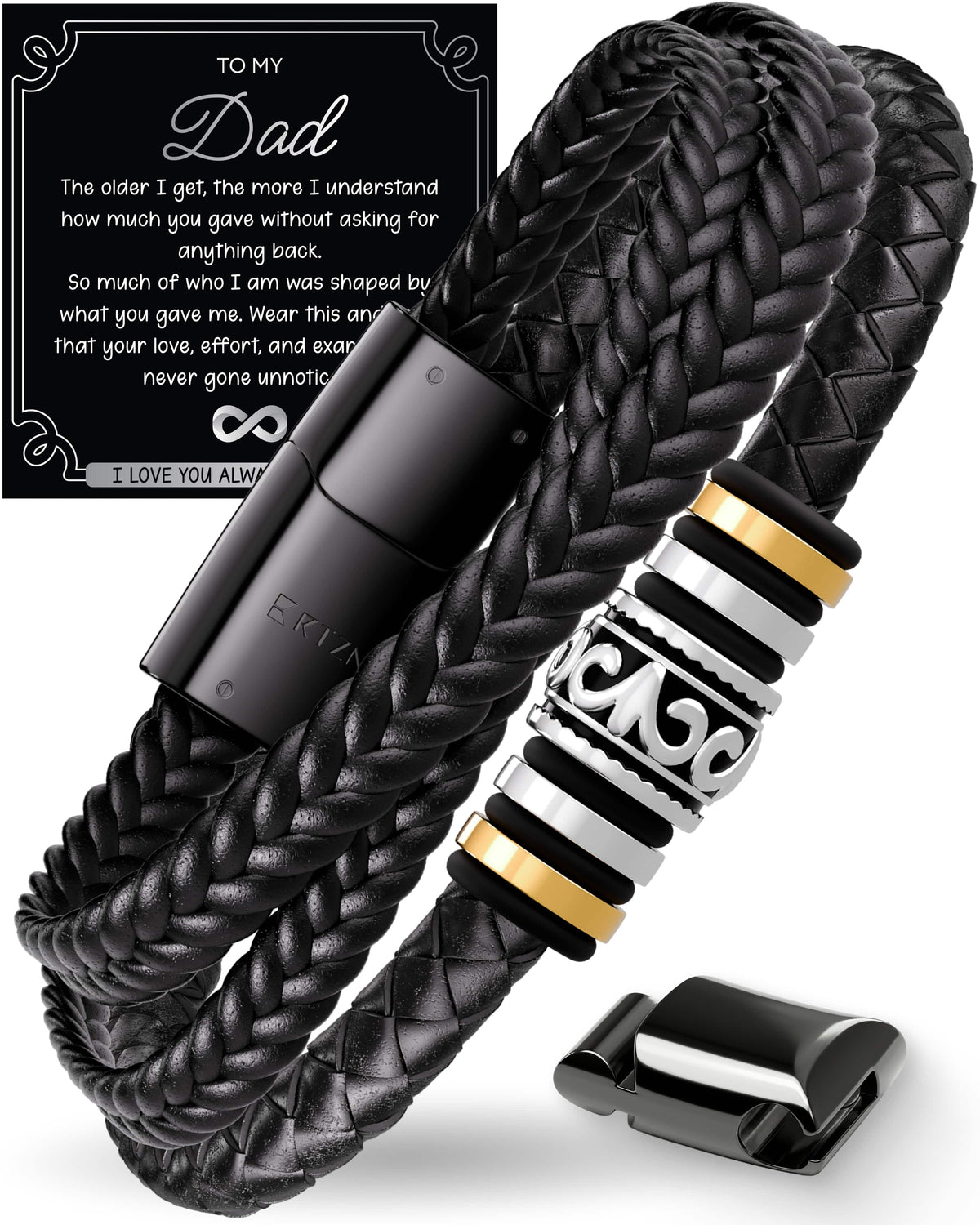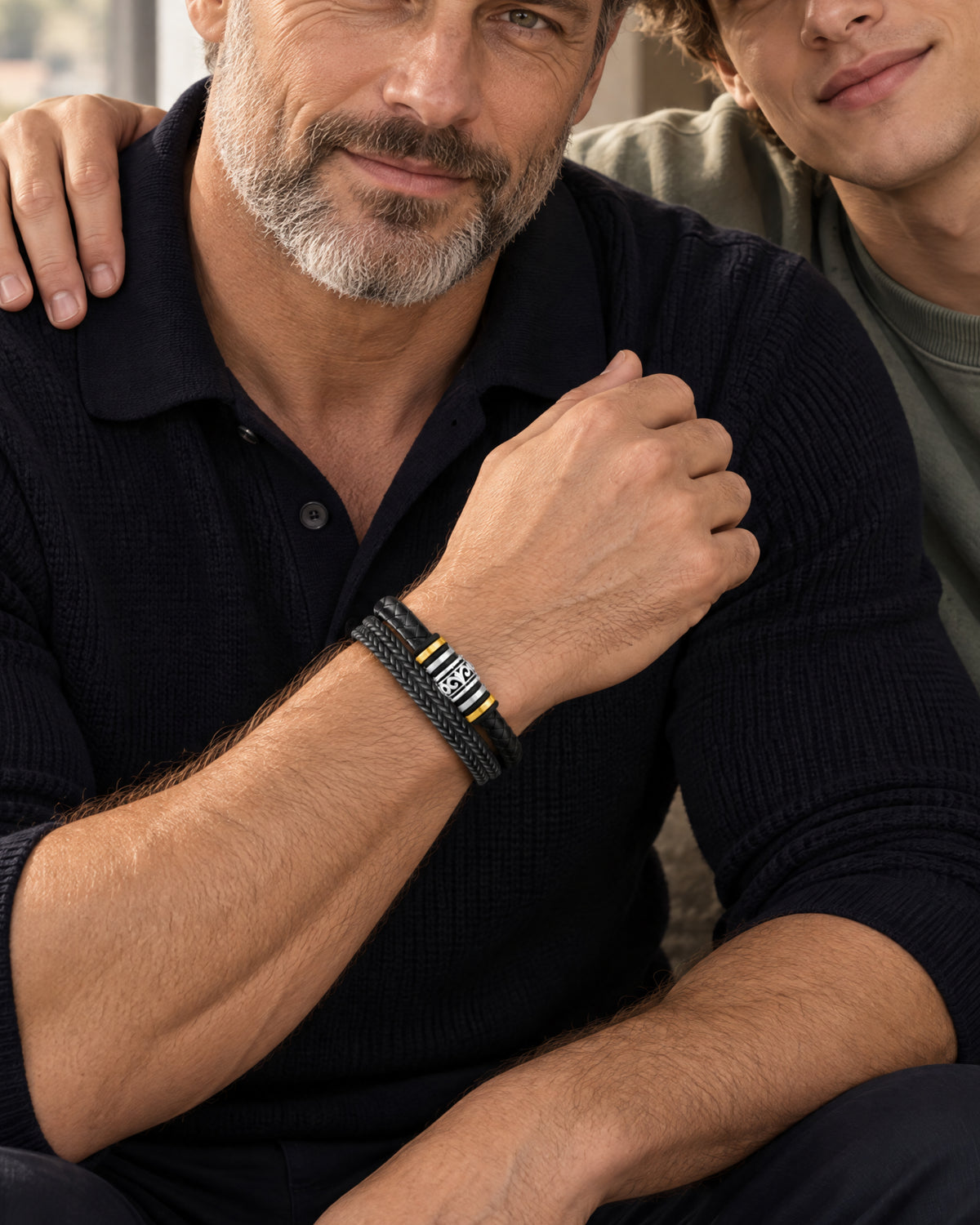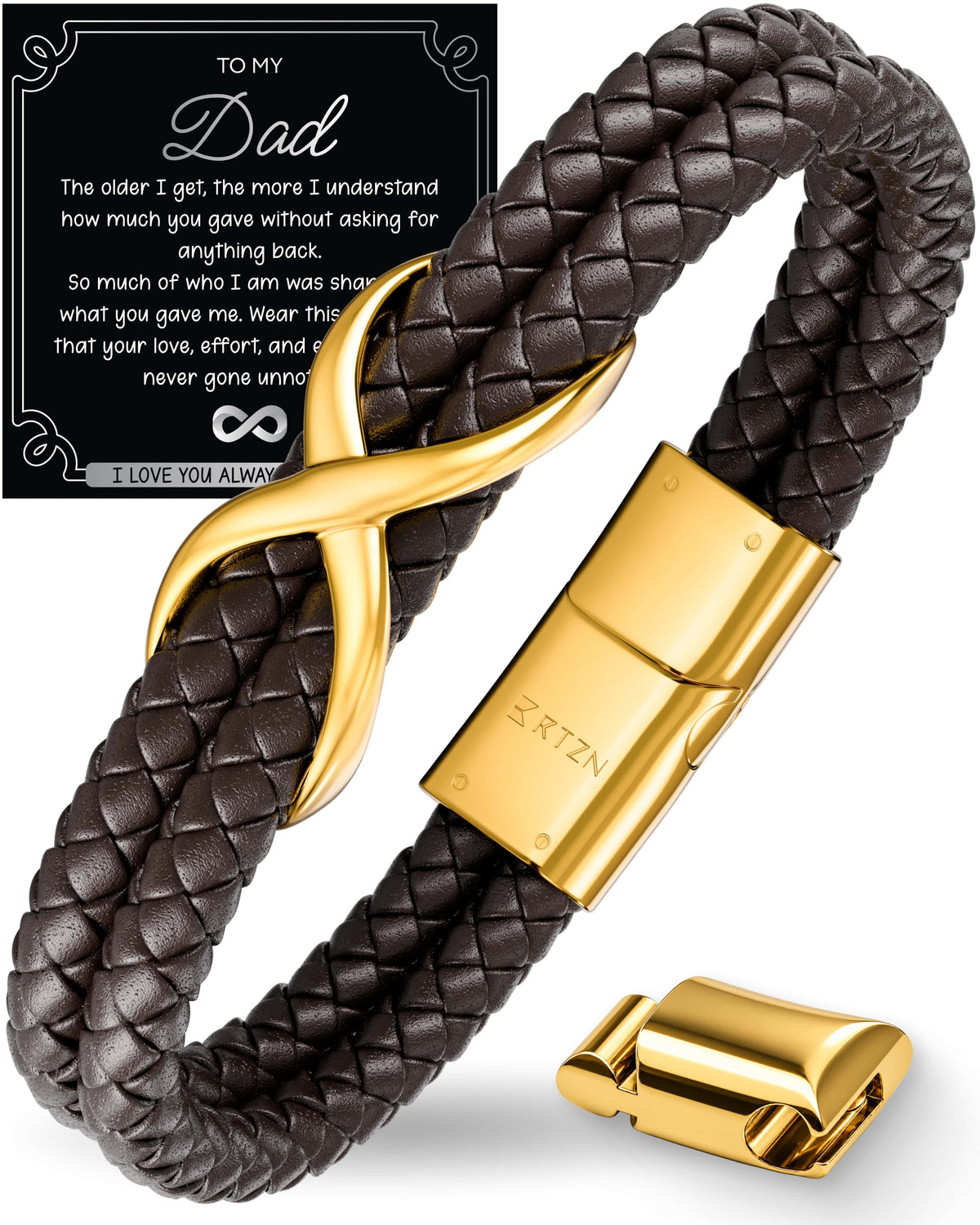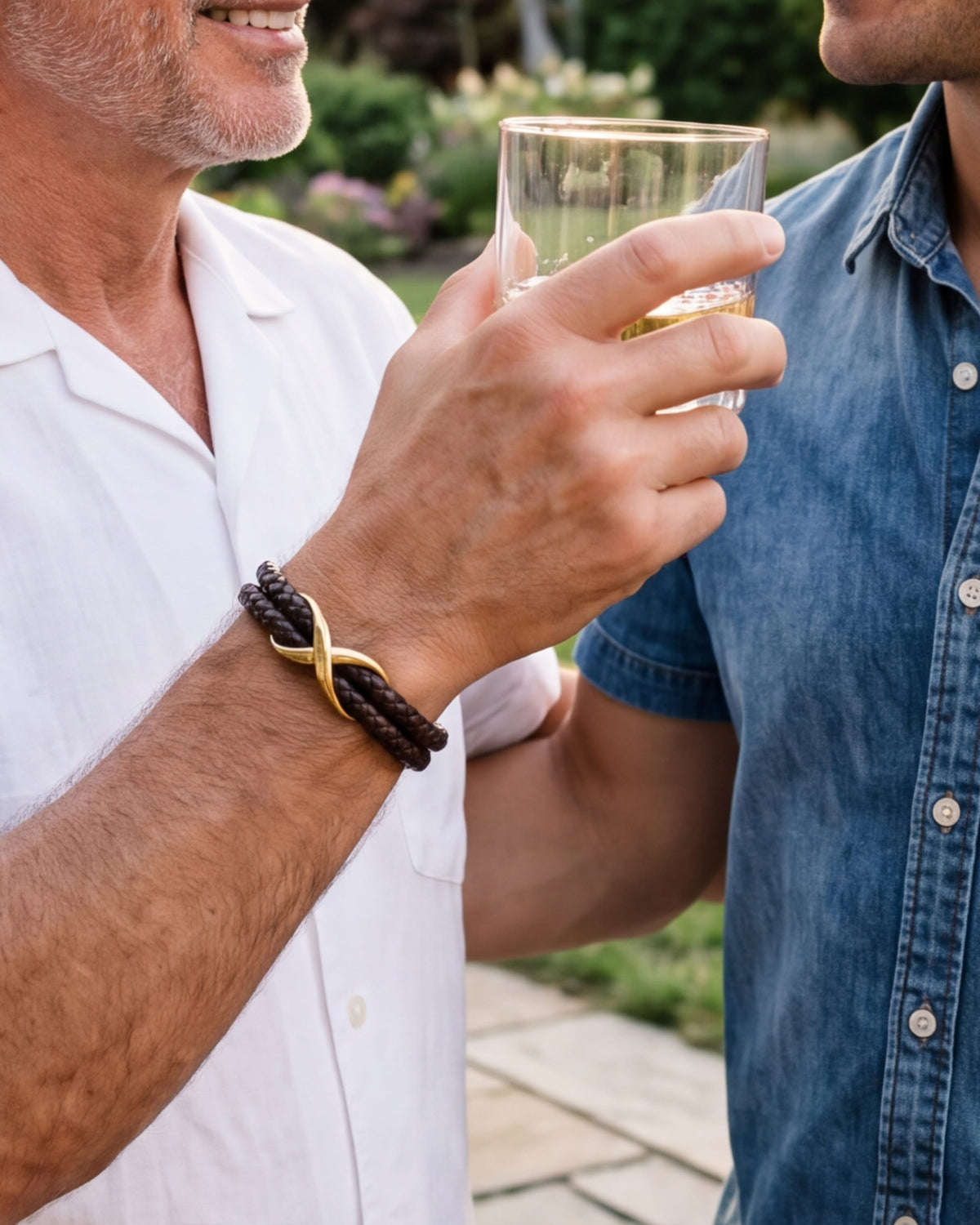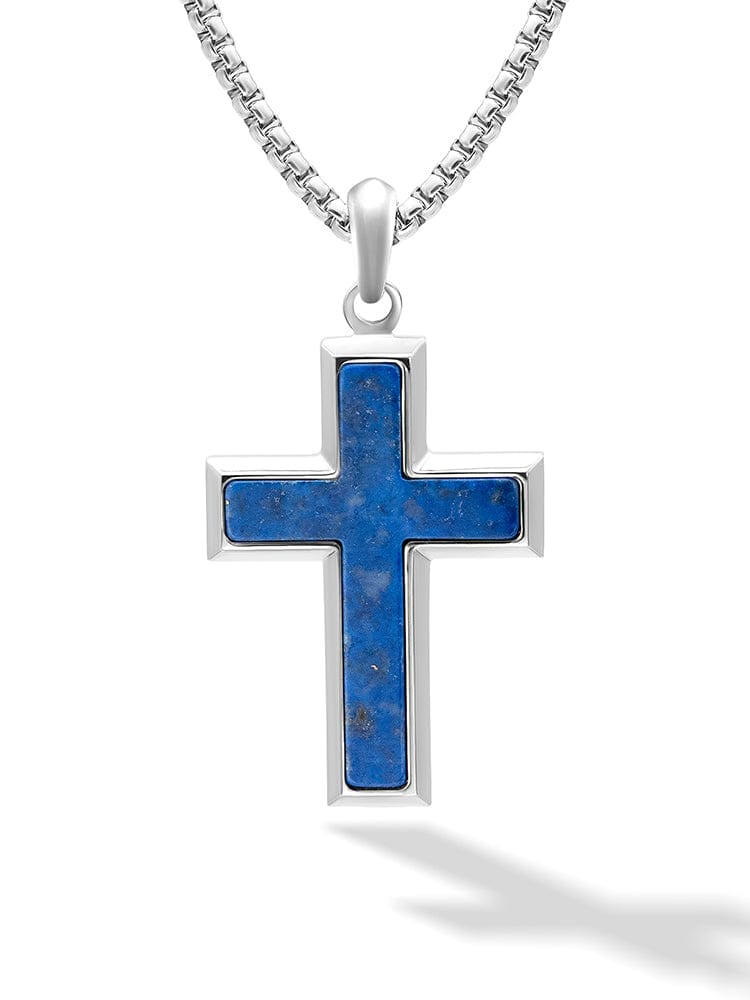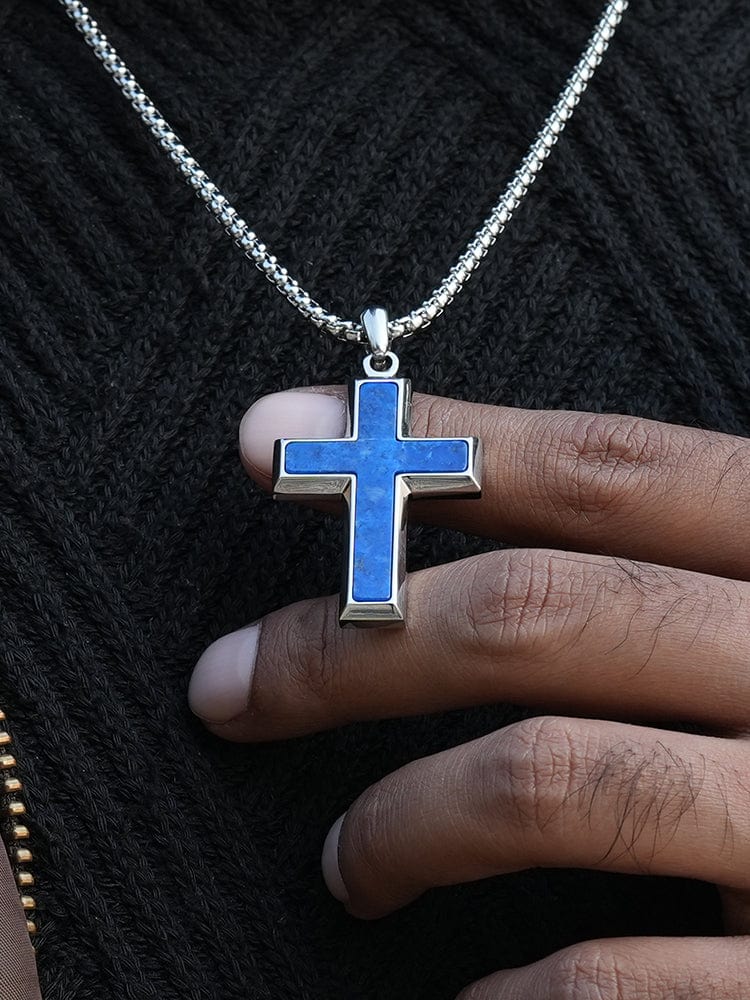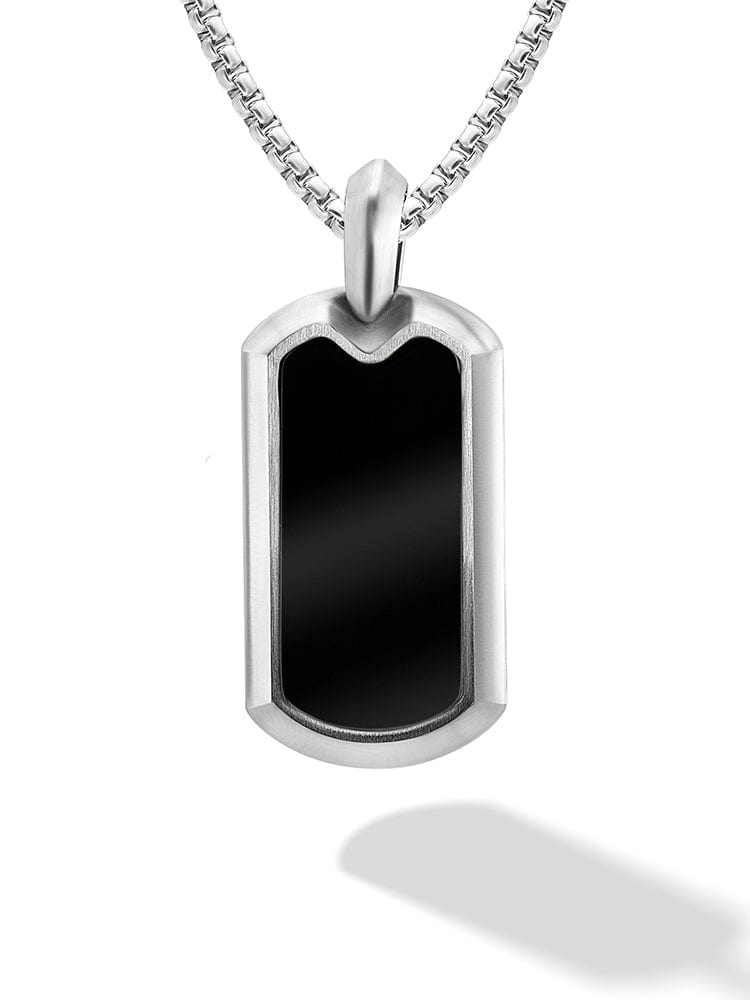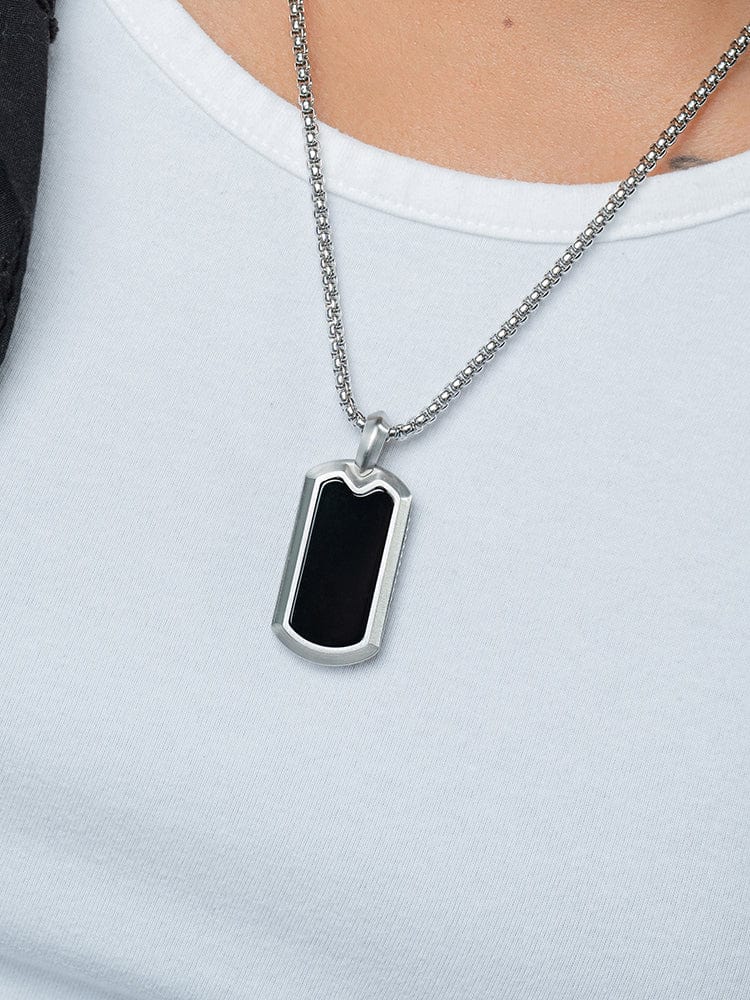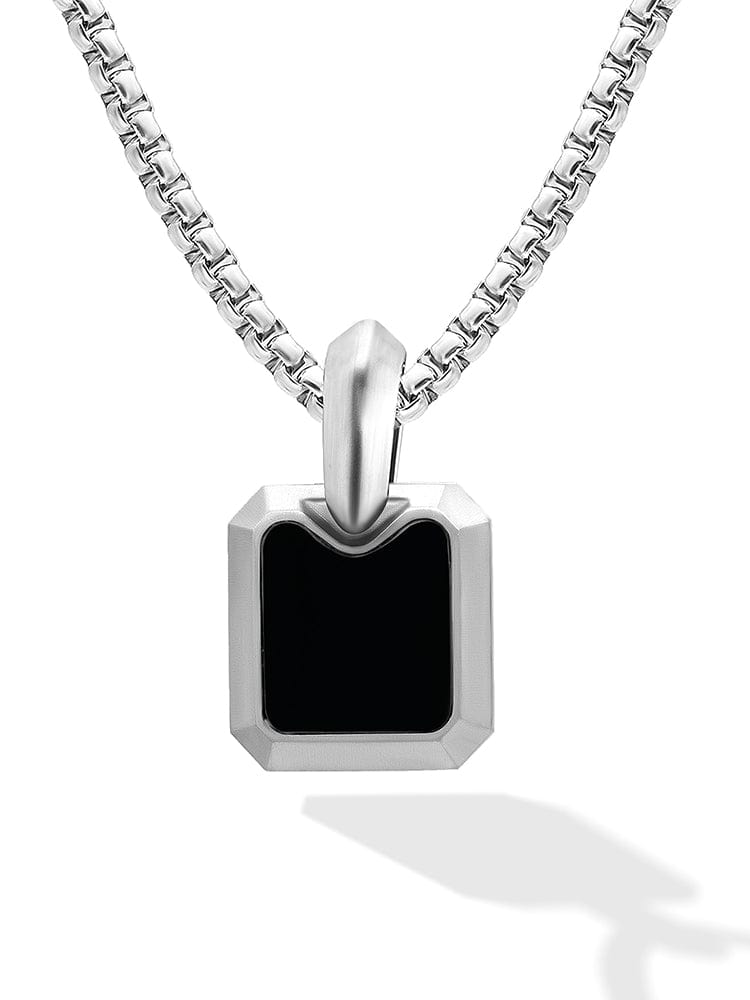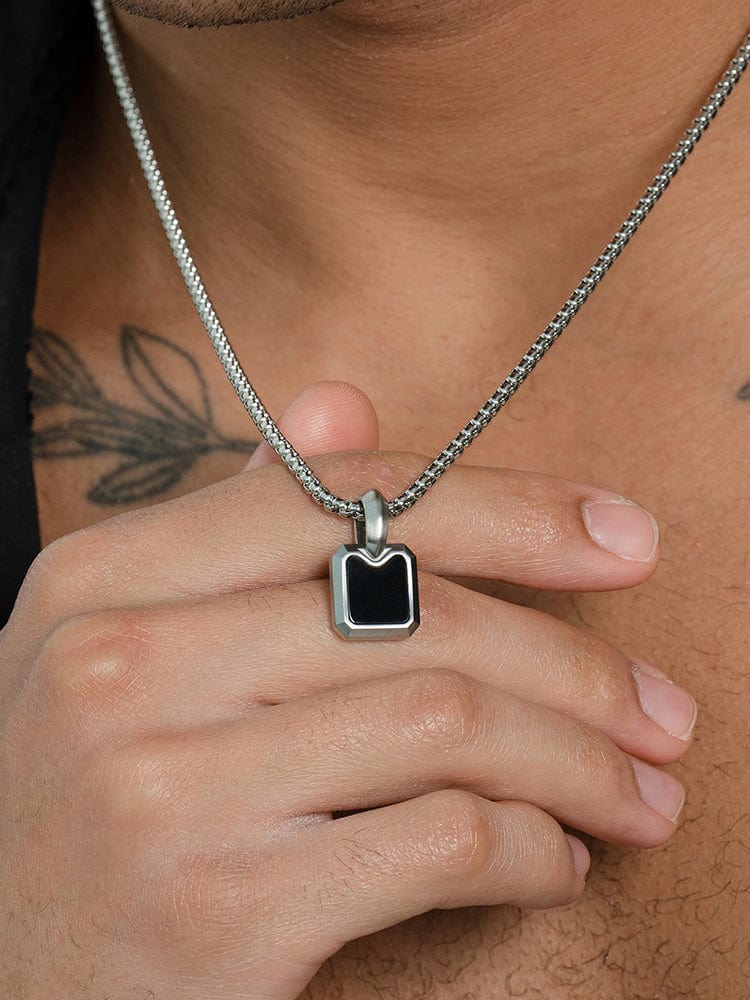
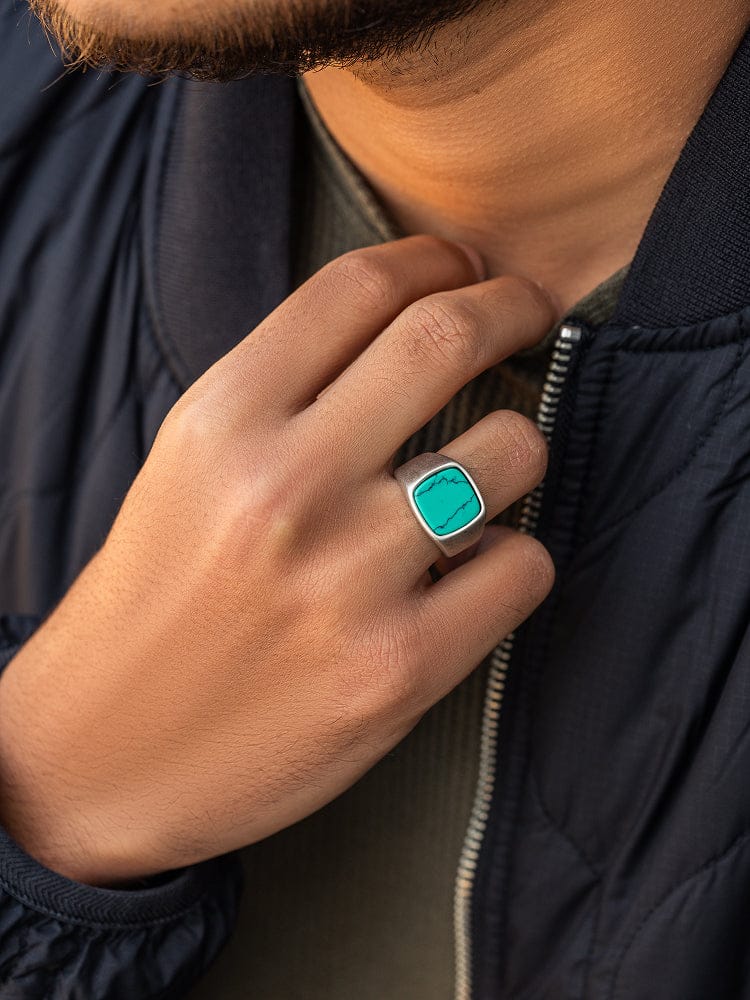
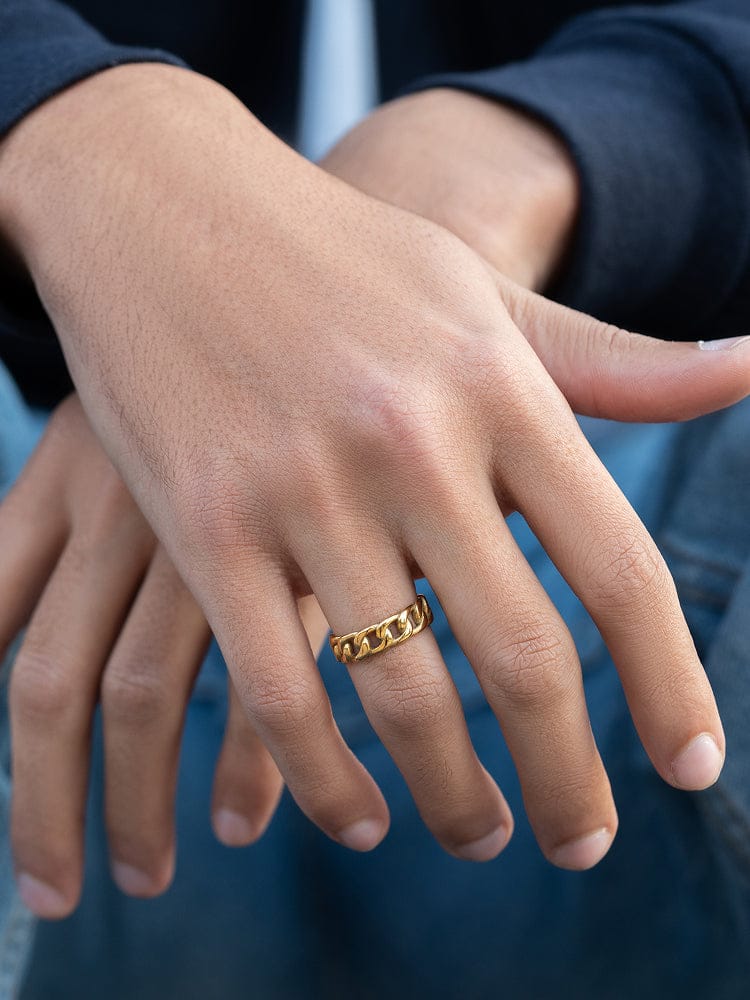
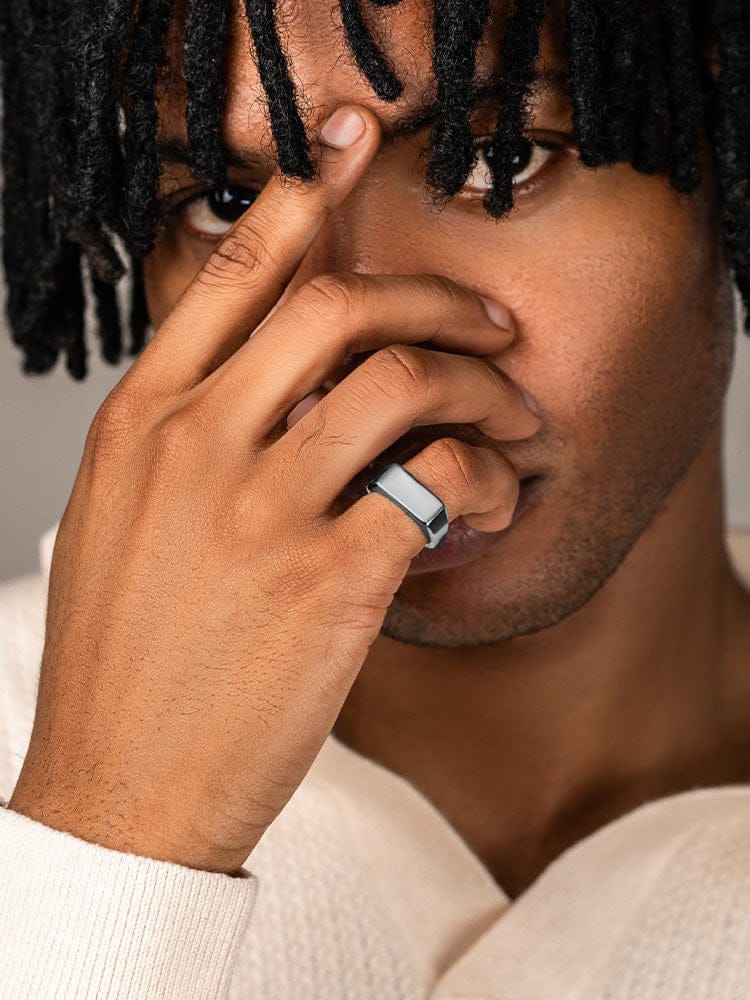


Short answer: good-quality stainless steel jewelry does not tarnish the way silver does. It resists rust, corrosion and discoloration, which is exactly why it has become the go-to metal for men who want jewelry they can wear every day without babying it.


Why Stainless Steel Resists Tarnish
Stainless steel contains chromium. When chromium meets oxygen it forms a thin, invisible layer on the surface called a passive layer. That layer blocks moisture and air from reaching the metal underneath, so the steel doesn't rust or tarnish. Even better, if the surface gets scratched, the layer re-forms on its own.
The grade matters. 316L stainless steel has the most corrosion resistance and is also hypoallergenic, which is why it's used for jewelry and medical tools alike.
Stainless Steel vs Silver vs Gold-Plated
- Stainless steel: resists tarnish and rust, holds up to water and sweat, low maintenance, affordable.
- Sterling silver: beautiful shine but tarnishes and needs regular polishing.
- Gold-plated base metals: look great at first, but the thin plating wears over time and the metal underneath can discolor.
When Stainless Steel Can Still Discolor

"Stainless" does not mean indestructible. A piece can discolor if it's a cheap, low-chromium grade, if a plated finish wears through, or if it sits in harsh chemicals like chlorine, bleach or strong cleaners. Buying quality steel and rinsing off chlorine solves nearly all of it.
How to Keep Your Stainless Steel Jewelry Looking New
- Wipe it down with a soft cloth after heavy sweat or a workout.
- Rinse with fresh water after swimming in chlorine or salt water.
- Clean occasionally with mild soap and warm water, then dry fully.
- Store it dry, away from other metals that can scratch it.
Shop Non-Tarnish Men's Jewelry at RTZN
Every RTZN chain is built for daily wear, non-tarnish, waterproof and sweat-proof. Start with the Men's Chains collection, or go straight to a classic like the Silver Cuban Link Chain (3.5mm).
What Grade of Stainless Steel Is Best for Jewelry?

Not all stainless steel is equal. Cheaper jewelry often uses lower grades like 304, which look similar but have less corrosion resistance than the 316L surgical grade used in quality pieces. 316L adds molybdenum, which boosts its resistance to salt, sweat and chlorine and makes it a safer choice for people with sensitive skin.
When you are shopping, look for the grade in the product description. A brand that uses 316L will usually say so, because it is a selling point. If a listing is vague about the metal or simply calls it "steel" or "stainless," treat that as a reason to ask before you buy.
Does Stainless Steel Jewelry Tarnish Over Time?
Even with daily wear, a quality piece does not tarnish the way silver does. What you may notice over months of use is light surface haze or tiny scratches from normal contact, not the dark sulfur film that is true tarnish. A quick clean with mild soap and water brings the shine back.
The short version: if you buy a well-made 316L piece like the Black Cuban Link Chain (5mm), you can wear it through workouts, showers and everyday life for years without it tarnishing. The upkeep is minutes a month, not a weekly polishing routine.
Signs Your Jewelry Is Not Real Stainless Steel
If a piece starts to discolor quickly, the problem is usually the material, not stainless steel itself. Watch for these warning signs:
- It leaves a green or black mark on your skin, which points to copper or brass under a thin plating.
- The color rubs off at the edges or clasp, a sign of plated base metal rather than solid steel.
- It feels unusually light, since solid stainless steel has a reassuring weight to it.
- A magnet grabs it strongly; most jewelry-grade stainless steel is only weakly magnetic or not at all.
Stainless Steel vs Titanium for Daily Wear
Titanium is the other go-to metal for men who want low-maintenance jewelry, and it shares a lot with steel: both resist corrosion, handle water and suit sensitive skin. Titanium is lighter and even more scratch-resistant, while steel tends to be heavier, more affordable and easier to find in a wide range of styles. For most everyday pieces, either metal will serve you well for years.
If you want the most hard-wearing option and do not mind paying a little more, titanium is excellent. If you want a classic look, solid weight and more design choice at a friendlier price, a quality 316L piece like the Silver Rope Chain (4mm) is the easy winner.
How Often Should You Clean It?
A good routine is a quick wipe with a soft cloth whenever the metal looks dull, plus a proper clean with mild soap and warm water every few weeks. Dry it fully afterward and store it away from other items that could scratch the surface. That small amount of care keeps a piece looking new without the weekly polishing that silver demands.
FAQs
Does stainless steel jewelry rust?
Quality stainless steel resists rust thanks to its chromium layer. Very cheap grades or heavily damaged surfaces can spot, but a well-made piece worn normally will not rust.
Can I shower or swim in stainless steel jewelry?
Yes. Stainless steel handles water well. Rinse it with fresh water after chlorine or salt water and dry it to keep the finish bright.
Does stainless steel turn your skin green?
Quality stainless steel is very unlikely to turn skin green. That reaction usually comes from copper in cheap alloys or worn plating, not from solid stainless steel.
Is stainless steel better than silver for men's jewelry?
For everyday wear, many men prefer stainless steel because it keeps its look with almost no upkeep, while silver needs regular polishing. Explore RTZN's men's necklaces for low-maintenance everyday options.
Final Thoughts
If you want jewelry you can put on and forget about, stainless steel is hard to beat. Shop RTZN's non-tarnish chains, all backed by a 60-day money-back guarantee.